Hernando Sun Spotlights Notable Local Women for Women's History Month
Elizabeth Carr Washington, born into slavery in 1848, delivered babies for both Black and white Brooksville mothers — often free of charge — and is among four women profiled by the Hernando Sun.
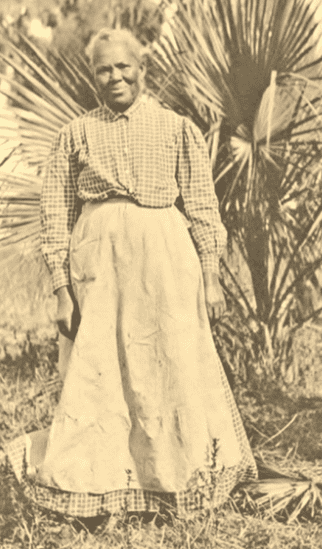
The Hernando Sun launched a multi-part Women's History Month series spotlighting women whose civic, cultural, business and philanthropic contributions shaped Hernando County, with the first installment centering on four figures from the 19th and early 20th centuries whose lives intersected with the county's deepest roots.
The opening profiles span women born between 1848 and 1871: Elizabeth Carr Washington, Elizabeth Robins, Margaret Dreier Robins, and Mary Anderson Coogler. The first three shared a significant connection to Chinsegut Hill, an estate in north Hernando County that served as a backdrop for some of the county's most consequential civic and domestic history.
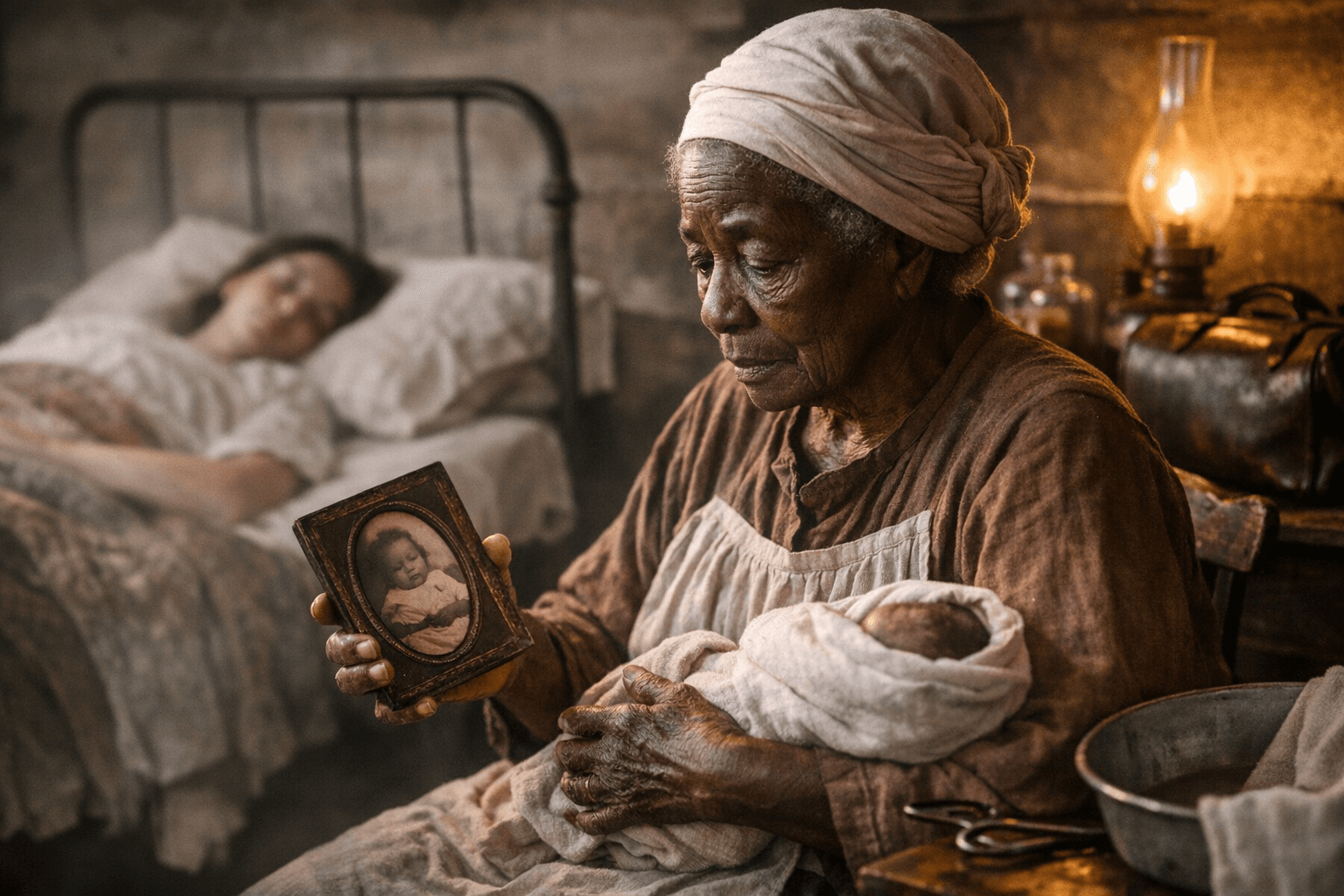
Washington's story stands as the most fully drawn in the first installment. Born into slavery in South Carolina in 1848, she arrived in Brooksville at the age of eight and lived until 1938, a span of 90 years that witnessed the Civil War, Reconstruction, and the early civil rights era. She raised nine children while working as a laundress, nanny, and cook at Chinsegut Hill manor. Beyond her domestic labor, Washington became what the series describes as the most popular midwife in the area, delivering babies for both African American and white mothers throughout Hernando County and frequently providing those services without charge.
Elizabeth Robins, who lived from 1862 to 1952, and Margaret Dreier Robins, born in 1868 and died in 1945, are also identified in the first installment as closely affiliated with Chinsegut Hill. Mary Anderson Coogler, born in 1871 and died in 1957, rounds out the four women featured in Part One, though detailed biographical profiles of all four are expected to unfold across subsequent installments of the series.
The Hernando Sun, founded by Rocco and Julie Maglio after the closure of Hernando Today in 2014, printed its first issue in March 2015 and grew from monthly to weekly publication. Rocco Maglio attended Moton Elementary through Hernando High School, a background the paper credits with grounding its coverage in local context. The series reflects that same local orientation, drawing on the county's own historical record to recognize women whose contributions have often gone without formal commemoration.
This article was produced by Prism’s automated news system from verified source data, official records, and press releases, then run through automated quality and moderation checks before publishing. The system is built and supervised by the people who set the standards it runs under. Read our full AI policy.
Did this article answer your question?