How Hernando County keeps boat ramps, lights and waterways safe
Boat ramps and markers do not stay usable by accident. Hernando County’s maintenance plan shows who fixes them, who sets priorities, and what boater access can cost.
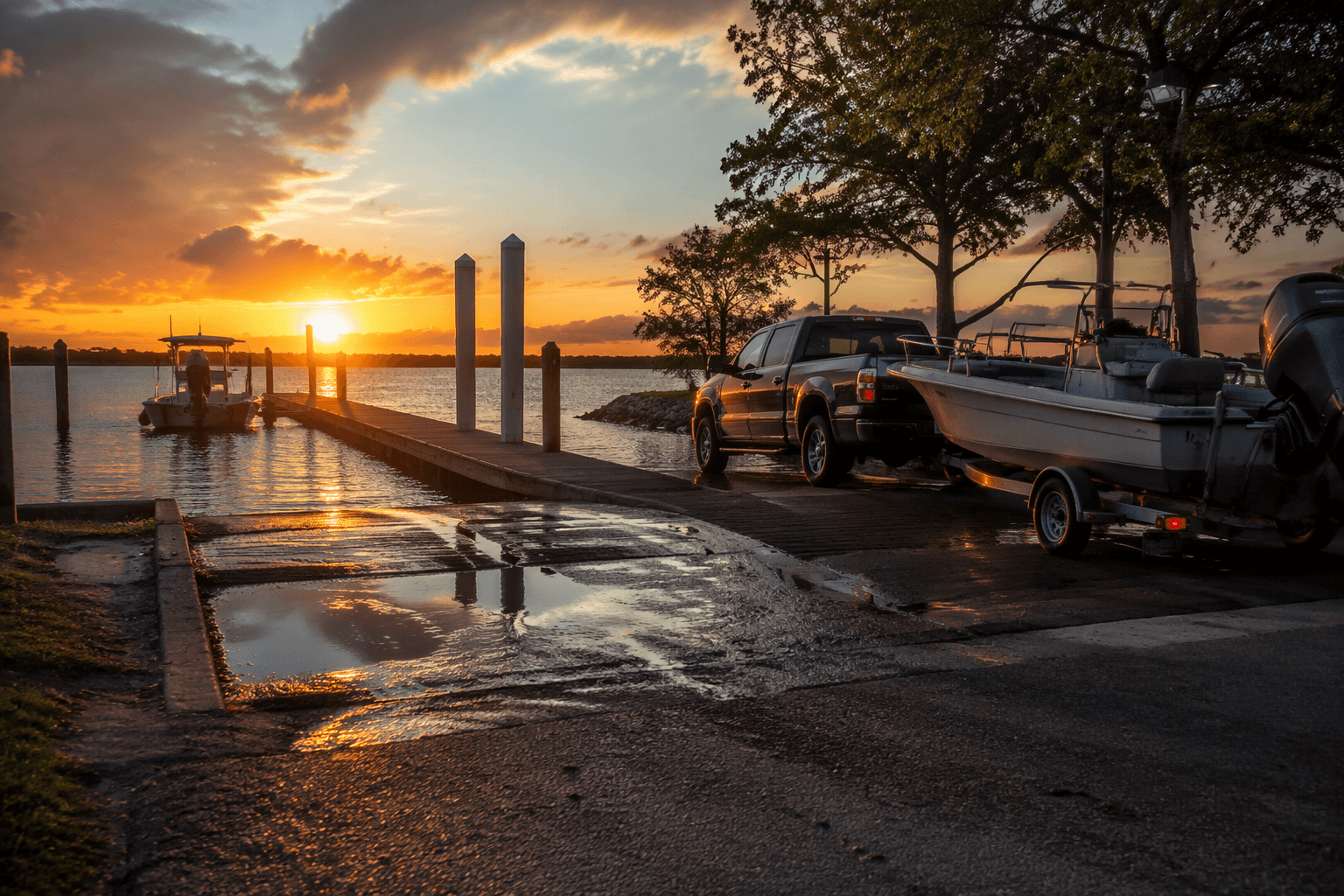
Boaters in Hernando County use a system that is managed, budgeted and regulated, not improvised. The county’s Waterways Maintenance Division keeps aids-to-navigation, docks, boat ramps, piers, lights, signage and buoys in service, while also clearing hazards and working with state regulators to keep launches and channels usable.
What the county actually maintains
The county’s FY 2022-2023 budget spells out the job in unusually concrete terms. Waterways Maintenance covers the county’s network of aids-to-navigation, docks, boat ramps, piers, lights, signage and buoys, and it must keep that system consistent with state and federal regulations. That same budget language says the division removes hazards from waterways such as fallen trees, maintains boating speed and safety zones, and coordinates with the Florida Fish and Wildlife Conservation Commission.
That matters because local boating access is more than a ramp at the shoreline. A missing marker, a damaged dock, or a submerged tree can change how a boat moves through a channel, where it can safely slow down, and whether a trailer launch is practical for families, fishing guides and weekend boaters. In Hernando County, these are public works decisions with direct safety and cost consequences.
How the county decides where to spend
Planning for boat access has already been treated as an infrastructure issue, not just a recreation amenity. Hernando County’s Boat Ramp Master Plan, prepared by Cardno, Inc. and dated April 2, 2020, was produced for the Hernando County Public Works Department at 1525 E Jefferson St., Brooksville, FL 34601. Cardno, Inc. is listed in the record at 20215 Cortez Blvd., Brooksville, FL 34601.
The timeline around that plan shows how the county’s process moved from discussion to approval. On January 21, 2020, the Tampa Bay Times reported that Hernando County was deciding how to improve coastal boat ramps. By March 30, 2020, commissioners had approved a master boat ramp plan. The approved concept was described as adding more trailer parking, more water access and potentially a big bill, which is the core tradeoff in waterfront infrastructure: more convenience for boaters usually means more land, more construction and more ongoing maintenance.
For residents, that means a ramp is never just a ramp. It is part of a capital plan that can shape where trailers park, how many boats can launch on a busy weekend, and how much the county has to spend to keep access open.
Why safety and navigation are tied together
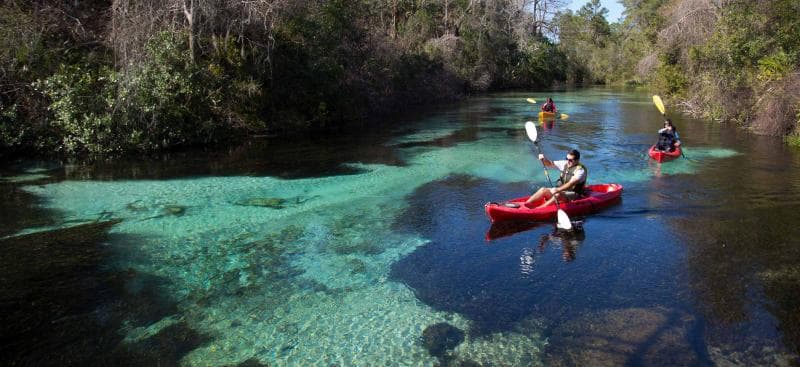
Hernando County’s waterways work is especially sensitive because the county’s water system includes the Weeki Wachee River, coastal canals and Gulf access points. A Southwest Florida Water Management District document describes the Weeki Wachee River as a first-magnitude spring system in Hernando County and says it was designated a Priority Water Body in 2014.
That designation raises the stakes for every maintenance decision. A boat ramp, a marker field or a speed zone does not exist in isolation when it sits beside a heavily used spring system. It also explains why the county frames waterways work as safety work as much as access work.
Carla Burrmann, manager of Aquatic Services, put the county’s priority plainly in a Hernando County Government post: “the department’s priority was the safety of everyone using Hernando County’s waterways.” That is the central public promise behind the county’s maintenance program. The division is not only preserving convenience for boaters; it is trying to keep traffic moving safely through sensitive and often crowded water.
What closures and reopenings mean on the ground
The cost of breakdowns shows up immediately at the launch site. A county temporary closure notice said the Bayport Park boat ramp, at 4140 Cortez Boulevard in Spring Hill, would reopen on Tuesday, February 25, 2020. Another Hernando County Government post about the Hernando Beach boat ramp said it would reopen without docks effective April 5, 2023.
Those details matter because access is not binary. A ramp can be open but still harder to use if docks are missing, parking is tight, or navigation aides are out of place. That can mean more time idling at the launch, more fuel burned, and more risk for people loading boats by hand or launching in rougher conditions.
For Hernando County boaters, the effect is practical and immediate. When a dock is missing, launching becomes less convenient. When a ramp closes, the next closest launch may be farther away, which means added drive time, added cost and more pressure on the remaining access points.
Who residents can hold accountable
Hernando County also keeps an advisory structure around waterways decisions. A Waterways Advisory Committee meeting minutes document is dated March 10, 2025, showing that the county continues to track waterways issues through an organized public process. An Engage Hernando waterways document dated August 5, 2022 lists Keith Kolasa as County Contact and Larry Beggs as contractor, which gives residents named points of contact in the system.
That matters in a county where boaters, waterfront property owners and public officials all have a stake in the same set of channels, docks and ramps. If a marker goes missing, a hazard appears, or a launch becomes difficult to use, the responsibility does not disappear into the shoreline. It runs through Public Works, the Waterways Maintenance Division, county planning documents, advisory meetings and state coordination.
Hernando County’s boating system only works when those pieces move together. The ramps, lights and markers are the visible part; the real accountability lives in the maintenance schedule, the budget, and the decisions that determine whether the next launch is safe, open and affordable.
This article was produced by Prism’s automated news system from verified source data, official records, and press releases, then run through automated quality and moderation checks before publishing. The system is built and supervised by the people who set the standards it runs under. Read our full AI policy.
Did this article answer your question?