Weeki Wachee River study gauges how much use it can handle
The carrying-capacity study could shape launch rules, peak-period access and enforcement on Weeki Wachee River as crowding strains the 7-mile spring run.
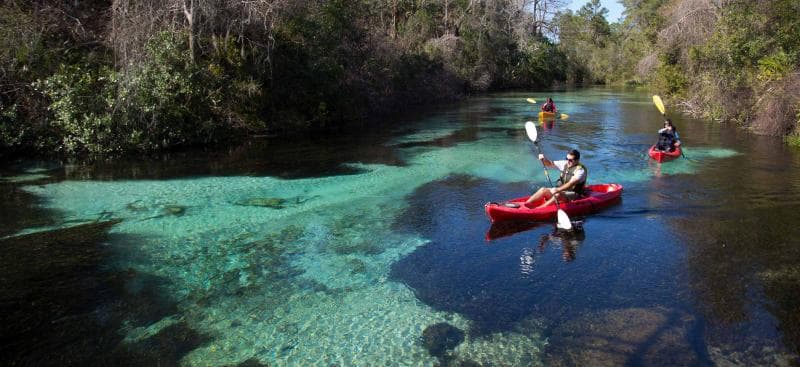
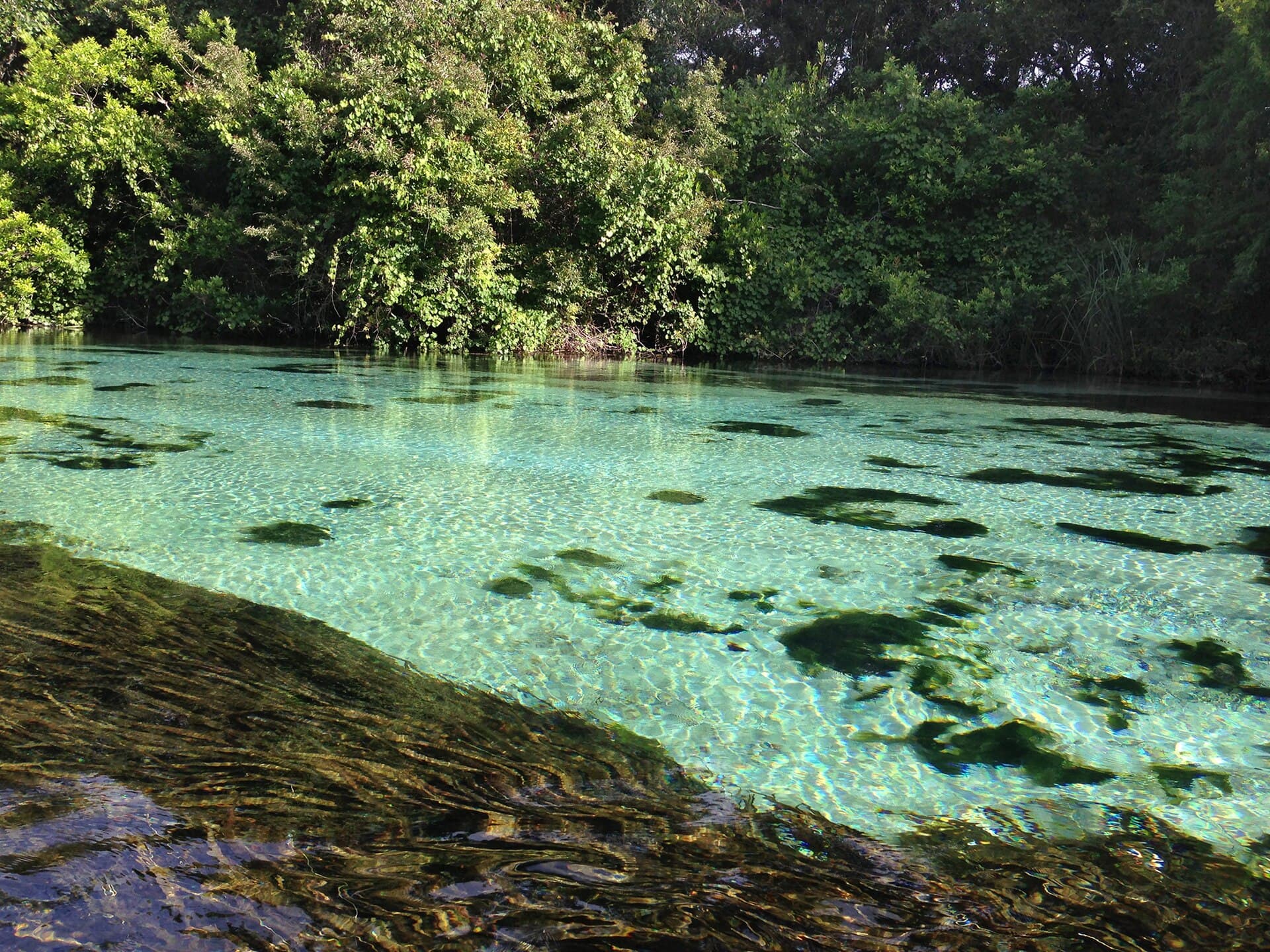
The Weeki Wachee River runs about 7 miles from the headspring to Bayport. In that tightly managed spring run, access decisions can affect the banks, vegetation, water quality and habitat that make the river work at all. The carrying-capacity study gives Hernando County and the Southwest Florida Water Management District a basis for deciding how much recreation the river can absorb before use starts to overwhelm the system.
Why the study matters now
The Weeki Wachee River is a first-magnitude spring system in Hernando County, and SWFWMD has treated it as a management priority for years. The river was designated a Priority Water Body in 2014, placing it inside a longer-running policy framework for surface-water improvement and management under the SWIM Act of 1987. That law directs water management districts to design and implement plans for improving and managing surface waters, which is the broader authority behind the river planning that followed.
The river is busy in a short, sensitive corridor, and that combination turns recreation into a governance issue. In a corridor that short, every new use decision has a faster and more visible effect than it would on a larger river system.
What the study measured
The Weeki Wachee Natural System Carrying Capacity Study was completed to evaluate how recreational use affects the river’s natural systems. It is an ecological management tool, not just a visitor-count exercise. The question is how much use the river can handle before the natural features along the spring run begin to suffer.
SWFWMD posted a draft report in November 2019 for the project, which Wood Environment & Infrastructure Solutions, Inc. prepared for SWFWMD and Hernando County. The district then published a January 2020 question-and-answer document stating that the Weeki Wachee River had been a popular recreation site for many years and that public and private stakeholders agreed to take a closer look at pressure on the river.
SWFWMD also announced a public workshop for Feb. 5, 2020 at 5:30 p.m. to share the results of the study.
How the river became an access issue
The carrying-capacity study sits inside a larger access debate that has shaped Weeki Wachee for years. In 2021, SWFWMD announced changes to public access at Weeki Wachee Springs State Park and Weekiwachee Preserve after the Governing Board approved updates to Rule 40D-9.111 in the Florida Administrative Code.
Public access still existed through designated land entrances at Weeki Wachee Springs State Park and Weekiwachee Preserve, but entry through designated entrances is not unlimited or casual. It is controlled. The river corridor is managed as a resource with rules, not as open shoreline.
Hernando County’s Weeki Wachee Springs Protection Zone also reflects the county’s role in managing the corridor. The local and district frameworks overlap here. The county, the district and the state all have a stake in how much traffic the river can take and how that traffic is routed.
What it means for launches, enforcement and peak-period use
The study gives county and district officials a factual basis to consider whether launch access should be limited, how users should be directed into the system, and what kind of enforcement is needed when crowding builds. If visitor pressure keeps outpacing management, it can mean greater strain on shoreline vegetation, degraded water quality and more conflict over who gets on the water and when.
For outfitters, the issue is operational as well as environmental. Peak-period rules can affect trip timing, pickup patterns and how many people can be put on the river at once. For visitors, the key issue is whether the river remains available through a managed system of access points or becomes harder to reach when conservation and crowd control take priority.
This article was produced by Prism’s automated news system from verified source data, official records, and press releases, then run through automated quality and moderation checks before publishing. The system is built and supervised by the people who set the standards it runs under. Read our full AI policy.
Did this article answer your question?