Local Columnist Urges Continuing Small Joys in New Year
Hernando County columnist Carrie Classon published an opinion piece on January 2 urging readers to make a New Year’s resolution to preserve and expand the small pleasures that sustain daily life. Her essay, born from a reconnection with a friend, highlights simple practices, prioritizing writing, social time, rest, and small pleasures, that carry tangible benefits for mental health and community well-being.
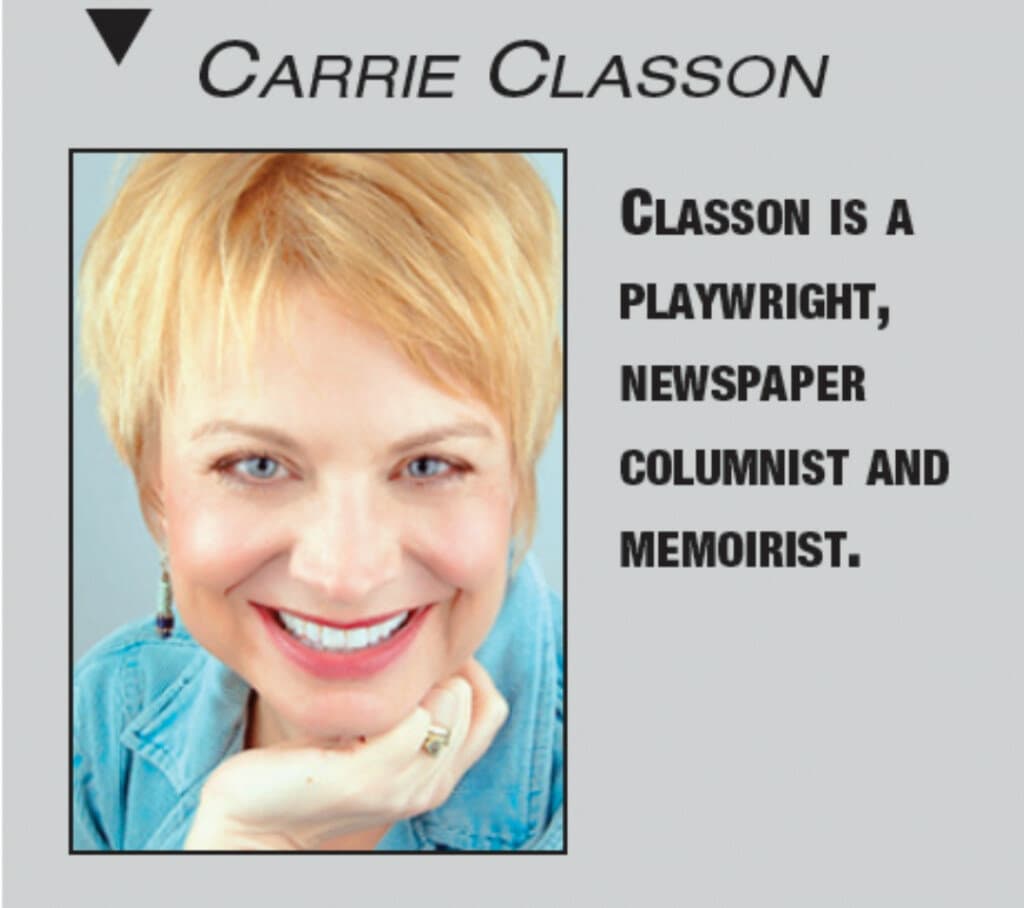
On January 2, local writer Carrie Classon published an essay reflecting on the value of keeping pleasurable habits rather than seeking sweeping self-reinvention. Recounting a recent reconnection with a friend, Classon proposed a counterintuitive resolution: "do more of the same" by leaning into activities that already bring joy, from carving out time to write to intentionally making space for social time and rest.
Classon framed the idea as a practical, humane alternative to the pressure-filled resolutions that often emphasize radical change. She described choosing small lifestyle shifts that sustain creativity and connection, and she argued that prioritizing ordinary pleasures can support long-term well-being. The column ran alongside other local news in the paper’s January edition and is intended as personal reflection rather than a policy prescription.

The themes Classon raises have clear local public health implications. Social connection, predictable routines, creative outlets and adequate rest are recognized components of mental health resilience. For Hernando County residents navigating economic stress, caregiving responsibilities or limited access to health care, reinforcing small daily supports can be a realistic step toward better mental and emotional health. Community-based programs, libraries, senior centers and faith groups can play a role in keeping social opportunities and creative spaces accessible to more people.
At the policy level, the column underscores how structural factors shape the ability to "do more of the same." Time for rest and socializing often requires flexible work schedules, paid leave and affordable community programming. Equity-focused policy decisions at the county level, from funding for public spaces to support for behavioral health services, influence whether residents can act on the kinds of modest resolutions Classon describes.
For local leaders and health providers, the piece serves as a prompt to consider low-cost, community-centered interventions that nurture routine pleasures and reduce isolation. For residents, Classon’s essay offers a compassionate reminder that health and happiness can grow from small, sustained acts rather than dramatic upheaval.
Classon’s column is a human-interest reflection, but its message resonates with public health priorities: strengthening social ties, protecting time for rest and creativity, and ensuring those supports are available across income and age groups. In a county facing the same economic and health disparities as many communities, those modest investments in everyday life can yield outsized returns for individual and community well-being.
This article was produced by Prism’s automated news system from verified source data, official records, and press releases, then run through automated quality and moderation checks before publishing. The system is built and supervised by the people who set the standards it runs under. Read our full AI policy.
Did this article answer your question?