Toby Benoit Hunts Squirrels with Beloved .410 to Feed Community
Toby Benoit hunted squirrels with a Stevens .410 to prepare food for community members, highlighting local food access, hunting culture, and the need for safe processing options.
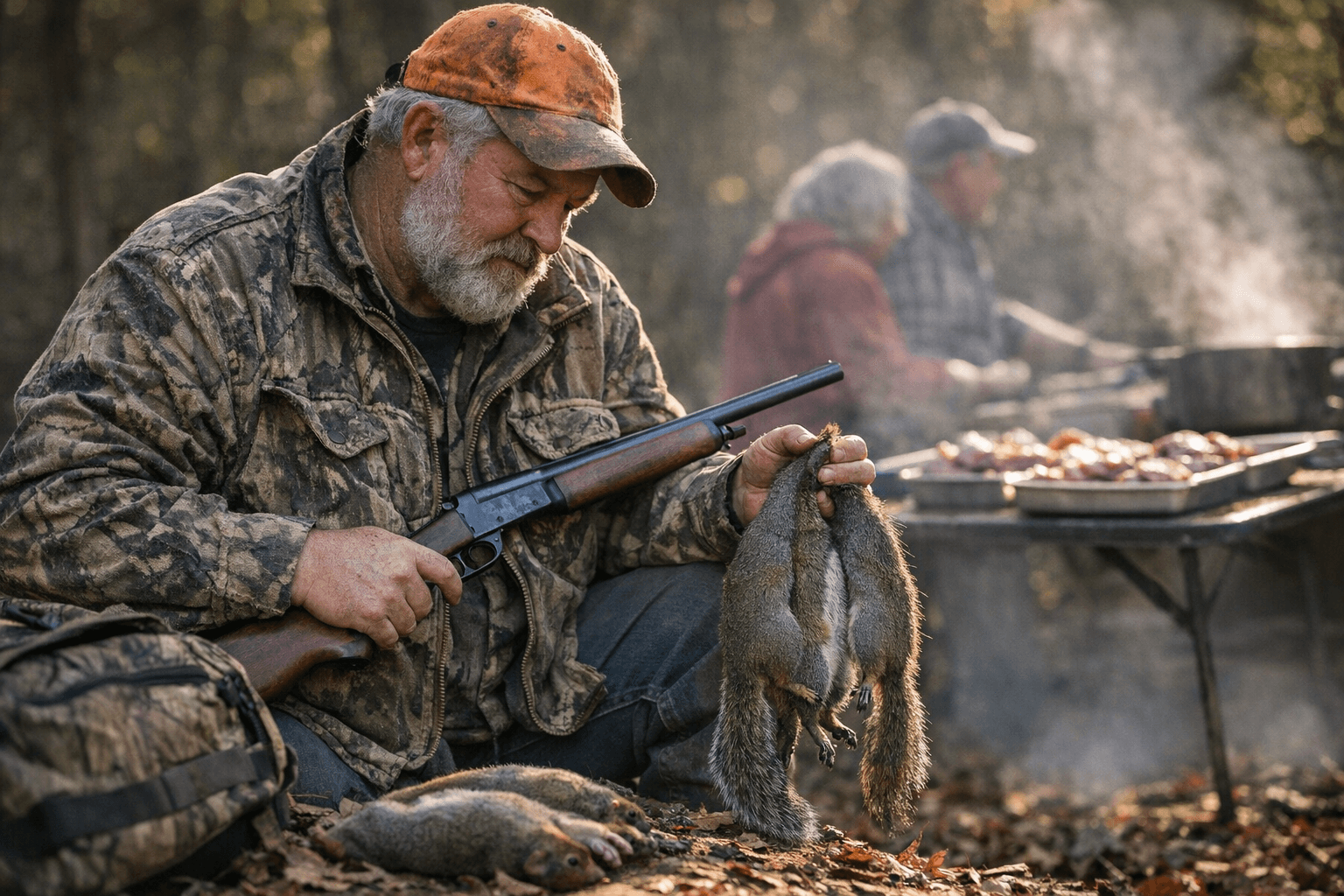
Toby Benoit, a Hernando County outdoors columnist, went afield with a longtime Stevens .410 shotgun to hunt squirrels to prepare food for community members. In a column titled "Gone Squireling!" published Feb. 5, 2026, Benoit blends personal narrative, local hunting culture, and community service to show how everyday outdoor traditions can meet immediate needs at the neighborhood level.
Benoit's piece places a simple act of harvesting wild game into a larger local context. Hunting squirrels with a .410 Stevens, a platform familiar to many older hunters in the county, is more than sport in Benoit's telling; it is a way of putting protein on tables where grocery budgets are tight and fresh meat is not always affordable. The column connects the practical work of field dressing and cooking with community-minded distribution, framing a familiar Hernando County pastime as a response to food access gaps.
The local implications are both practical and policy-oriented. Wild game can provide lean protein and culturally meaningful meals for families who rely on neighbor-to-neighbor sharing, but it also raises public health considerations. Proper field dressing, refrigeration, safe butchering and cooking are essential to reduce risks of foodborne illness. Hunters who plan to share meat should use licensed processors when available, follow state hunting regulations and firearm safety requirements, and consult Hernando County health officials for guidance on safe distribution.
Benoit's column also underscores equity and infrastructure issues. Not all residents have access to land, equipment, or skills to hunt and process wild game, and not all communities have nearby commercial facilities that will process small game safely and affordably. Those gaps affect who benefits from local food harvesting traditions. If community-based wild harvest becomes part of food security strategies, county leaders and nonprofits will need to address barriers such as access to processing, storage, and training.
For Hernando County policymakers and public health officials, the column raises clear questions: how to support safe community sharing of wild game, where to invest in processing capacity, and how to ensure hunting regulations and public-safety messaging reach residents who depend on harvests for food. For neighbors, Benoit's account is a reminder that traditional skills remain a resource for families facing tight budgets, and that community reciprocity can be an important supplement to formal food assistance.
Benoit's blend of memoir and local action invites a broader conversation about how Hernando County supports safe, equitable access to food. The next steps involve practical coordination between hunters, health authorities and civic organizations to turn a storied outdoor practice into a reliable, safe help for neighbors in need.
This article was produced by Prism’s automated news system from verified source data, official records, and press releases, then run through automated quality and moderation checks before publishing. The system is built and supervised by the people who set the standards it runs under. Read our full AI policy.
Did this article answer your question?