Chiricahua Desert Museum Strengthens Rodeo Arts and Tourism Offerings
The Chiricahua Desert Museum and cooperative art gallery in Rodeo anchors local arts and natural-history displays in a historic 1910 building, offering visual art, natural specimens, and community programming that matter to Hidalgo County residents and visitors. As a nonprofit cooperative and small-event venue, the museum helps sustain artists, complements nearby outdoor attractions, and supports local tourism in a sparsely populated rural county.
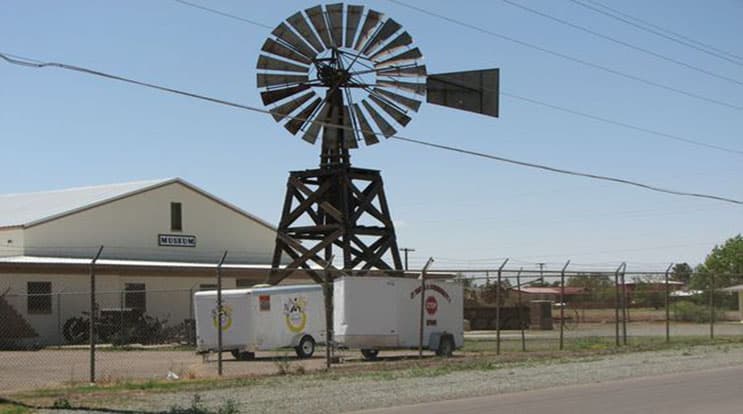
The Chiricahua Desert Museum and cooperative art gallery in Rodeo serves as a compact cultural hub in southwestern Hidalgo County, housed in a 1910 historic building that anchors its identity. The facility displays local visual arts including paintings, mixed media, jewelry and woodwork alongside natural-history exhibits. According to local tourism materials, the museum also features live reptile specimens and a botanical and wildlife garden, creating an unusual combination of art and nature that broadens its appeal beyond a traditional gallery.
Operating as a nonprofit cooperative, the museum supports local artists by providing sales and exhibit space, and by acting as an arts incubator in a county where population density and commercial infrastructure are limited. The cooperative model spreads operating responsibilities and revenue among participating artists, reducing single-entity overhead and helping sustain creative activity in a rural economy. The museum also functions as a small-event venue for workshops and rotating exhibits, creating periodic draws that extend visitor stays and diversify local economic activity.
The museum complements Hidalgo County’s established attractions such as ghost towns, hiking areas and wide desert landscapes. For local businesses, even modest increases in visitation driven by cultural programming can translate into additional spending at restaurants, lodging and service providers in and around Rodeo. For artists, the museum provides sales channels and programming that can meaningfully supplement incomes in a region with few formal arts markets.
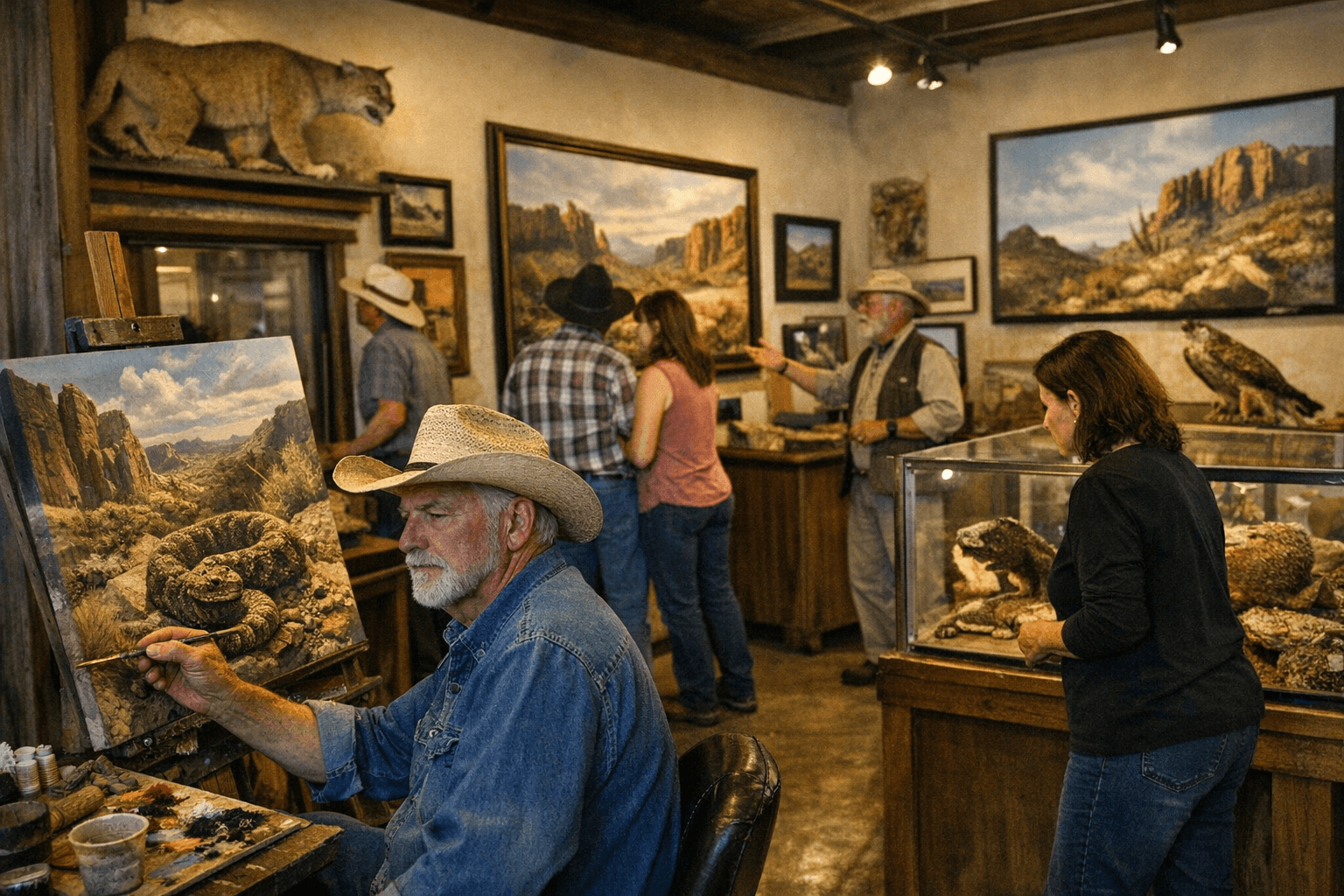
Practical visitor information reflects the rural context. The gallery is in Rodeo in southwestern Hidalgo County, and parking is typically available on-site or on adjacent streets. Hours vary seasonally; visitors are advised to contact the gallery ahead of time or check local tourism pages for current hours and special events. Reliable hours and clear event promotion are important for capturing tourist traffic that often follows outdoor recreation itineraries.
From a policy and planning standpoint, cultural assets like the Chiricahua Desert Museum can be cost-effective levers for rural economic diversification. Modest investments in signage, consistent online hours, and promotion through county tourism channels could boost visibility and visitor spending with limited public outlay. Over the longer term, sustaining cooperative arts spaces helps preserve local heritage, supports creative livelihoods, and strengthens the tourism mix that draws visitors to Hidalgo County’s desert landscapes and historic sites.
This article was produced by Prism’s automated news system from verified source data, official records, and press releases, then run through automated quality and moderation checks before publishing. The system is built and supervised by the people who set the standards it runs under. Read our full AI policy.
Did this article answer your question?