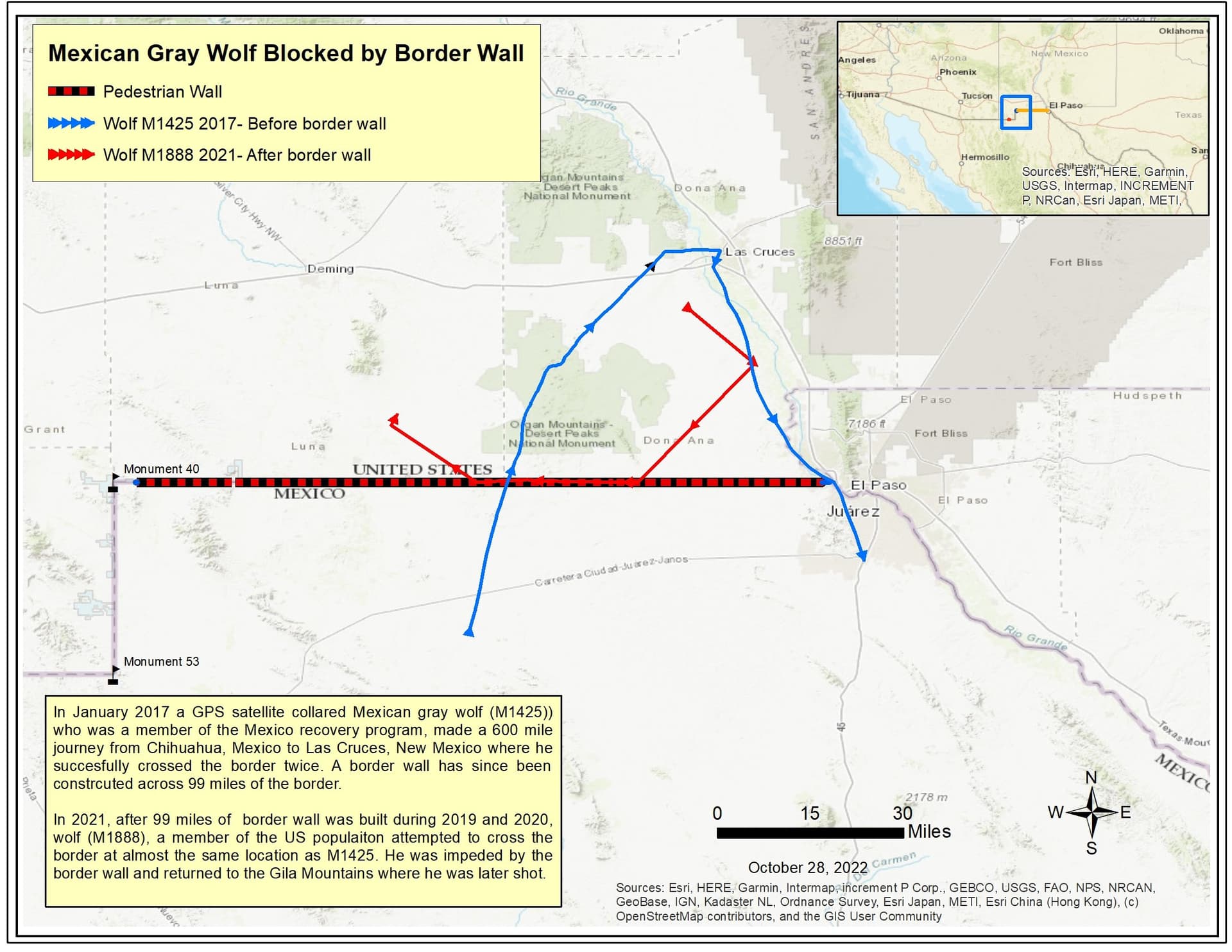
Conservation groups urge halt to gold, silver exploration in Hidalgo County
Fourteen groups warned BLM that Almadex’s Big Sky claims at Antelope Pass could bring drill rigs, water impacts and heavier vehicle use to a wildlife corridor in western Hidalgo County.
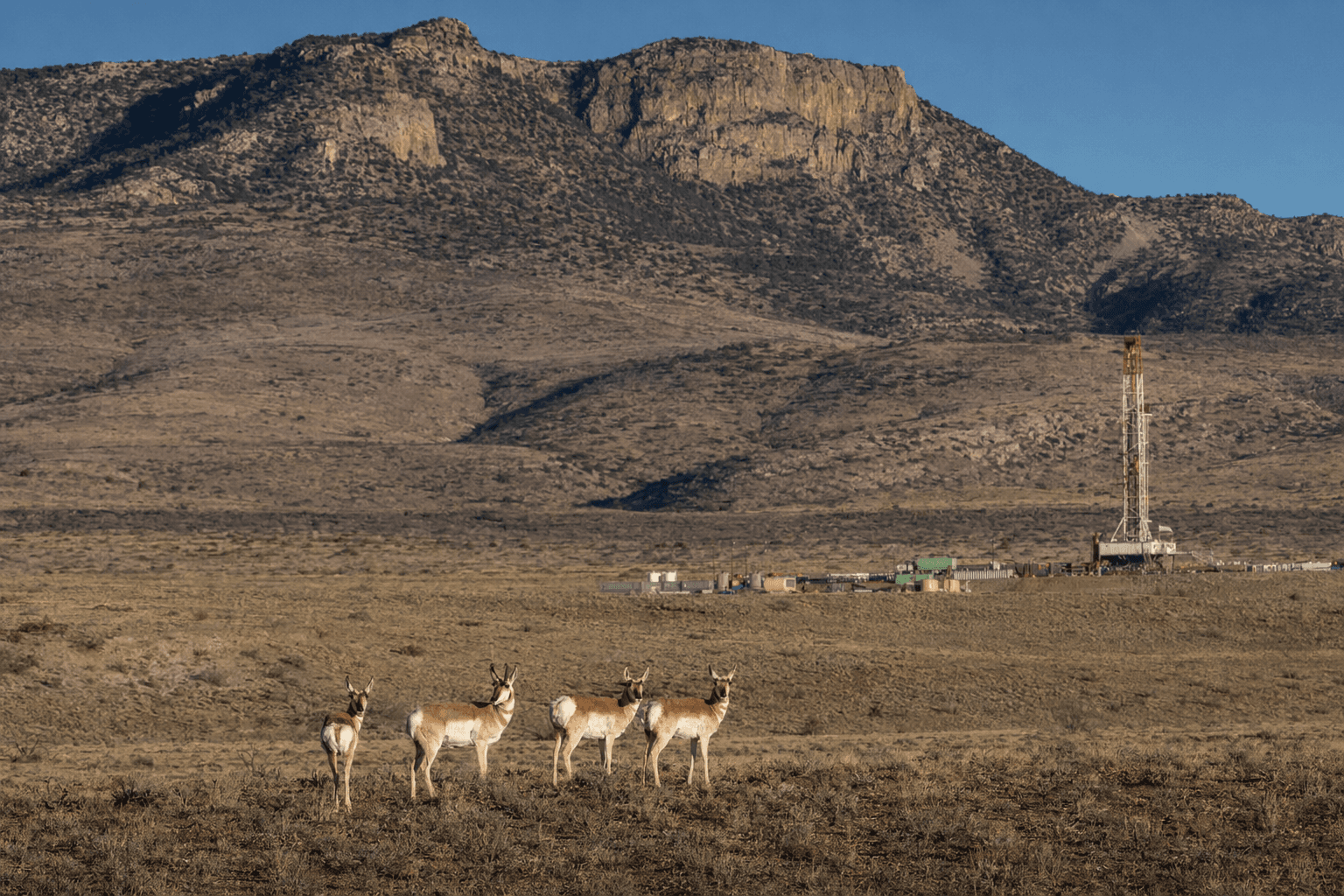
Conservation groups are pressing federal land managers to slow a gold and silver exploration push at Antelope Pass, a remote slice of western Hidalgo County where hikers, hunters, stargazers and wildlife still move through the Peloncillo Mountains.
The May 6 letter to the Bureau of Land Management was signed by 14 conservation organizations, businesses and local community members. It says the Antelope Pass area, near the meeting point of the Chihuahua and Sonora deserts, has extraordinary ecological, scientific, cultural, social and economic value, and it argues that mineral exploration could affect water resources, soils, cultural resources, recreation, tourism, astronomical research and the local economy.
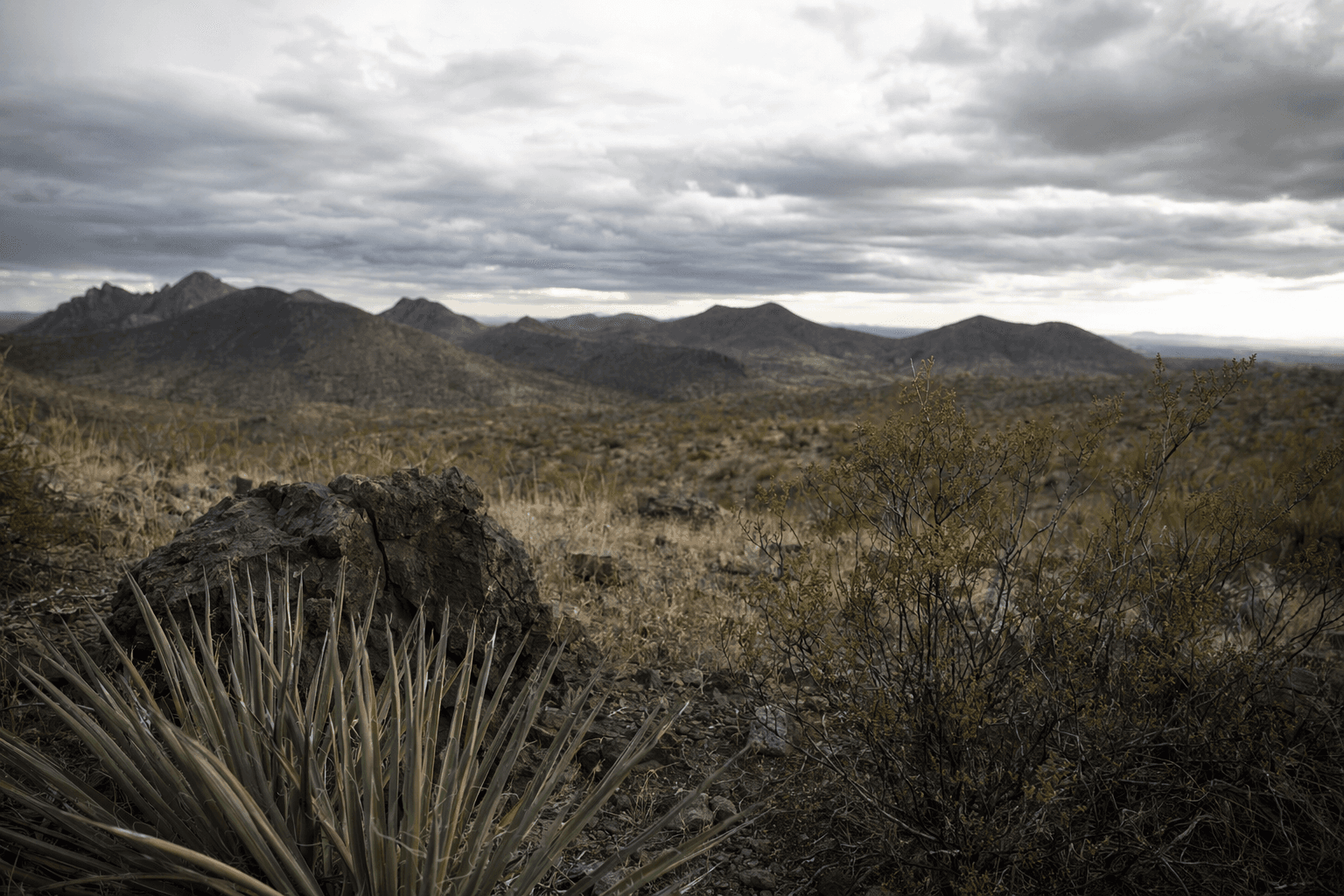
At the center of the dispute is Almadex’s Big Sky Project, where a subsidiary has filed at least 132 mining claims. In an April 1 update, the company said it had received additional rock-chip sampling results from the epithermal gold-silver project in New Mexico and planned more exploration work later in the year.
The conservation letter says that work may already go beyond casual use. BLM rules define casual use as activity causing no or negligible disturbance, and the letter says that standard does not cover truck-mounted drilling equipment or motorized vehicles in areas closed to off-road use. As of mid-March, the letter said, BLM still had not received a Notice or proposed Plan of Operations from Almadex.
Dirk Sigler, president of the Chiricahua Regional Council, called the issue “existential” for the area and warned that full-scale mining development would be catastrophic. His group says the Peloncillo Mountains are part of the Madrean Sky Island Archipelago, and that Antelope Pass functions as a wildlife corridor and habitat-connectivity zone of continental importance.
BLM’s own Peloncillo Mountains Wilderness Study Area page describes the range as low mountains, cliffs and numerous canyons with desert grasses and shrubs, and lists desert bighorn sheep, Gila monsters and pincushion cacti among its inhabitants. The agency’s Mimbres Resource Management Plan, prepared in 1993, remains the current plan for Dona Ana, Luna, Hidalgo and Grant counties, giving the fight over Antelope Pass a long-running policy backdrop.
The dispute is now about more than claims on a map. In western Hidalgo County, the question is whether the Peloncillo backcountry stays a place for quiet access, wildlife movement and dark skies, or whether exploration opens the door to heavier industrial activity in one of the Southwest’s most closely watched desert corridors.
Know something we missed? Have a correction or additional information?
Submit a Tip