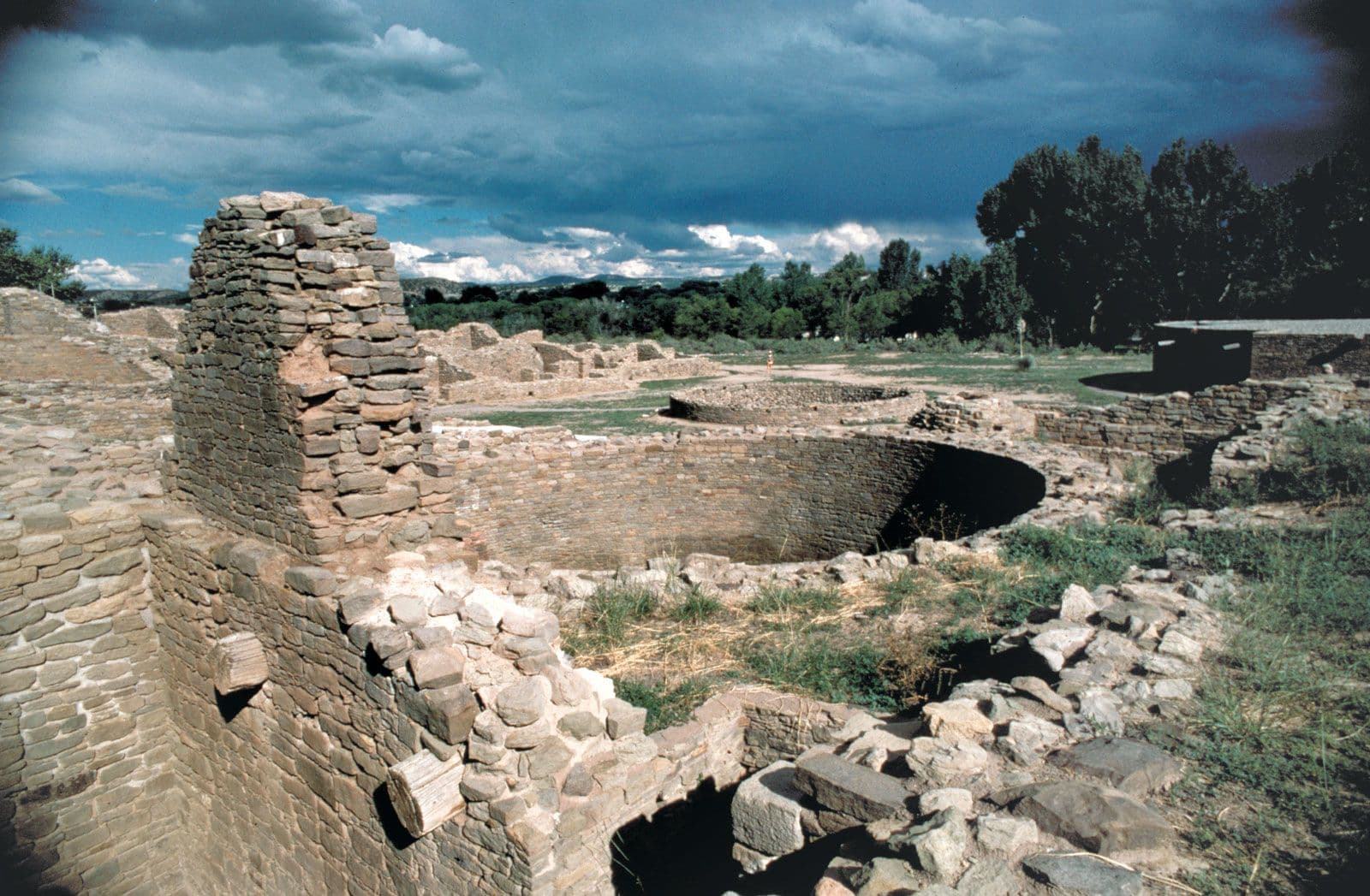
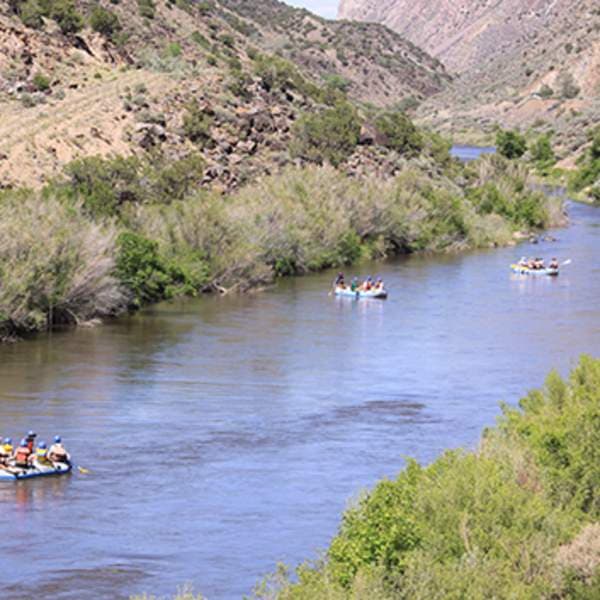
Gila Forest Recreation Brings Health Risks and Equity Challenges
The Gila National Forest and nearby public lands are central outdoor resources for Hidalgo County residents and visitors, offering hiking, dispersed camping, hunting and stargazing at sites like the Gila Wilderness, Catwalk Recreation Area and Cosmic Campground. Because many trailheads and developed sites are remote with intermittent cell coverage and seasonal restrictions, residents must prepare carefully to avoid injury, delayed medical care and other public health consequences.
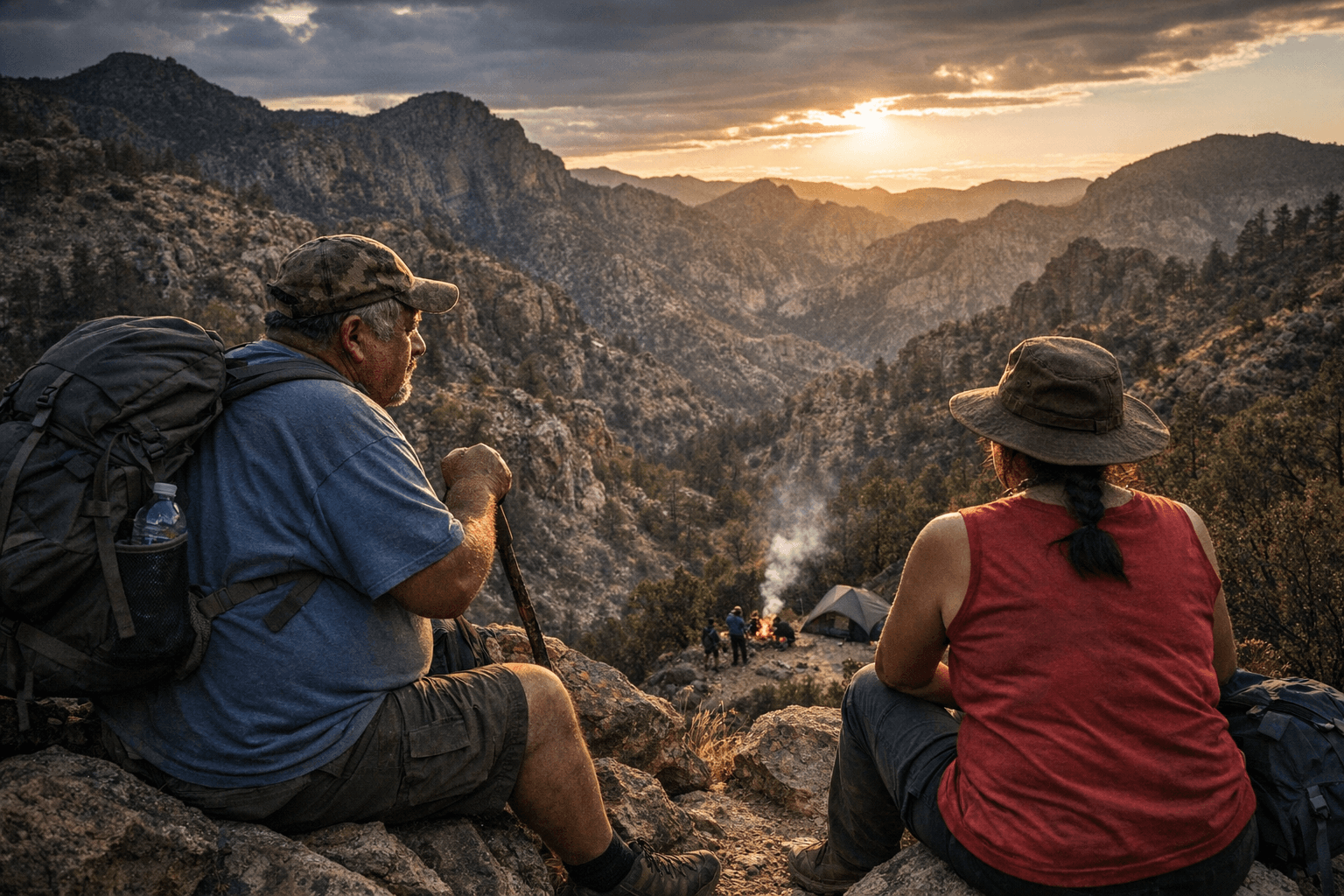
The Gila National Forest is the region’s primary outdoor recreation asset, drawing people from Hidalgo County and beyond to the Gila Wilderness, Catwalk Recreation Area in Glenwood and Whitewater Canyon, and the Cosmic Campground International Dark Sky Sanctuary. Those destinations provide important mental and physical health benefits through access to nature, but their remoteness and limited infrastructure create tangible public health and safety challenges for residents who recreate there.
Access to the forest is concentrated through small service hubs. Lordsburg on Interstate 10 functions as the closest resupply point for travelers heading north to trailheads and campgrounds. From there, motorists often face long, unpaved roads and few services. Cell coverage is intermittent across large swaths of the Gila, meaning people who become injured or lost can experience delays in summoning help.
Practical preparedness can reduce risks. Visitors should carry extra water and fuel, pack basic repair and first-aid equipment, prepare for large temperature swings on single outings, and tell someone their planned route before leaving. Consult the U.S. Forest Service Gila National Forest pages for maps, permits and current conditions, including alerts about prescribed fire operations or closure notices. Fire restrictions and prescribed burns can affect access and safety during parts of the year.
From a public health perspective, remote recreation increases the likelihood of dehydration, heat or cold injury, traumatic injury from falls, and delayed emergency medical response. Hunting adds hazards related to navigation and firearm safety. These risks are amplified for people with limited resources, those without reliable transportation, and residents for whom English is not a first language. The benefits of outdoor access are not equitably shared when transportation, equipment costs and information barriers keep some community members from safely using public lands.
Local health and emergency planners, forest managers and community organizations can reduce harm by coordinating on signage, outreach and emergency response planning. Practical steps include community safety workshops, distribution of basic first-aid or water kits, multilingual information in commonly spoken local languages, and clear guidance on resupply and fuel options in Lordsburg. Investments in better trailhead information, volunteer search and rescue capacity, and communications solutions such as emergency beacons can make outings safer without restricting public access.
For Hidalgo County residents, the Gila region remains an invaluable outdoor resource. With informed planning, equitable outreach and stronger coordination between public health and land management partners, families and visitors can enjoy the forest while reducing preventable injuries and ensuring that the health benefits of nature reach the whole community.
This article was produced by Prism’s automated news system from verified source data, official records, and press releases, then run through automated quality and moderation checks before publishing. The system is built and supervised by the people who set the standards it runs under. Read our full AI policy.
Did this article answer your question?