Hidalgo County parcels could be included in New Mexico land swap plan
Isolated Hidalgo County parcels are named in a proposed land swap that could trade up to 76,000 acres of federal land and minerals for state land elsewhere in southern New Mexico.
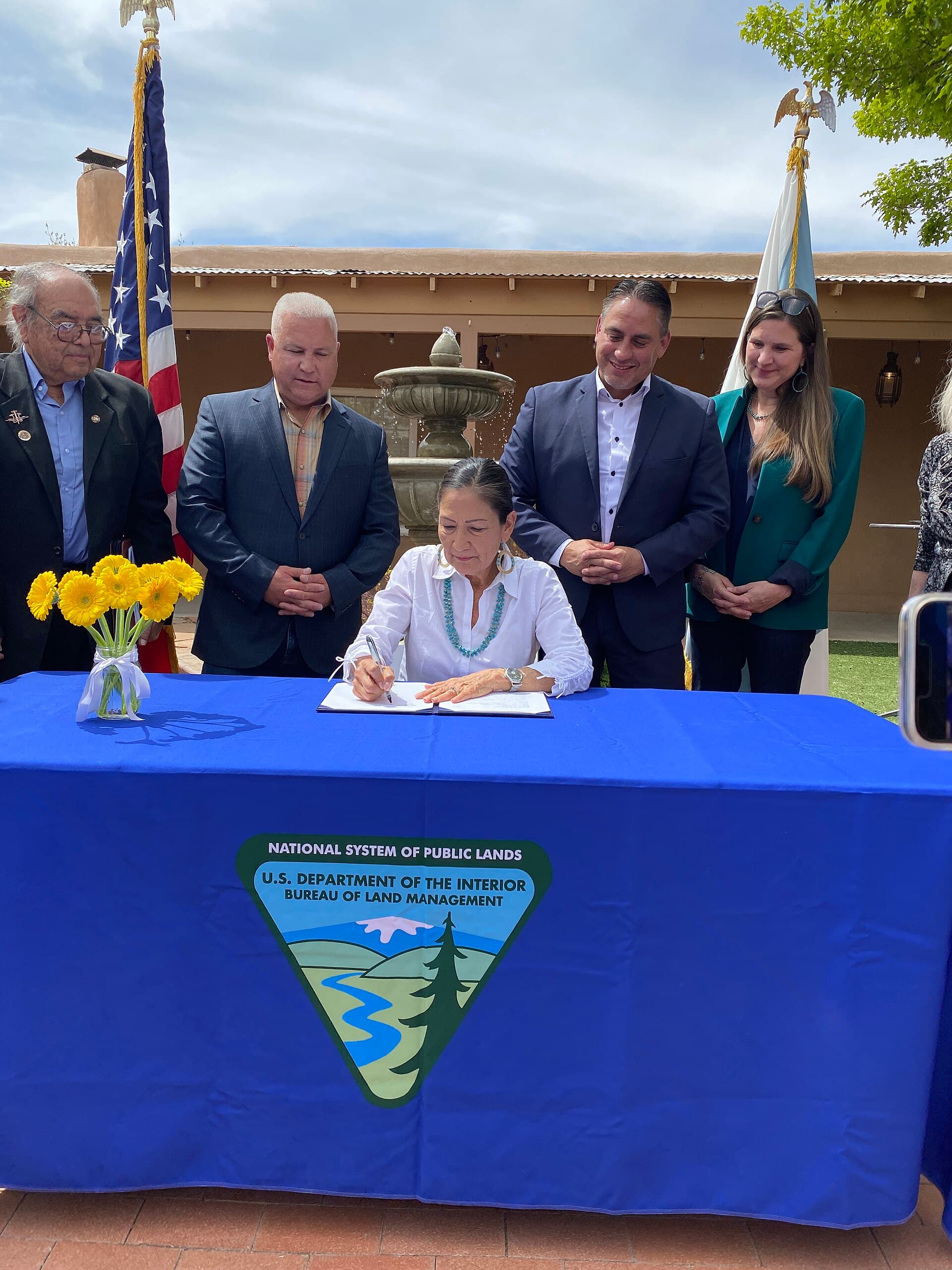
A federal-state land swap now under review in New Mexico could touch Hidalgo County through isolated parcels listed in the project materials, even as the main exchange area sits farther east in the Las Cruces district. The proposal would trade up to 76,000 acres of federal lands and minerals for about 76,000 acres of state lands and minerals, and the public comment window runs through June 28.
The Bureau of Land Management says the exchange is being considered under the John D. Dingell, Jr. Conservation, Management, and Recreation Act, which Congress used to give the agencies authority to negotiate a land exchange in New Mexico. The current plan covers lands in Doña Ana, Grant and Luna counties, while earlier BLM materials also referenced isolated Hidalgo County parcels, putting the county’s Bootheel on the edge of a deal centered hundreds of miles from many local residents.
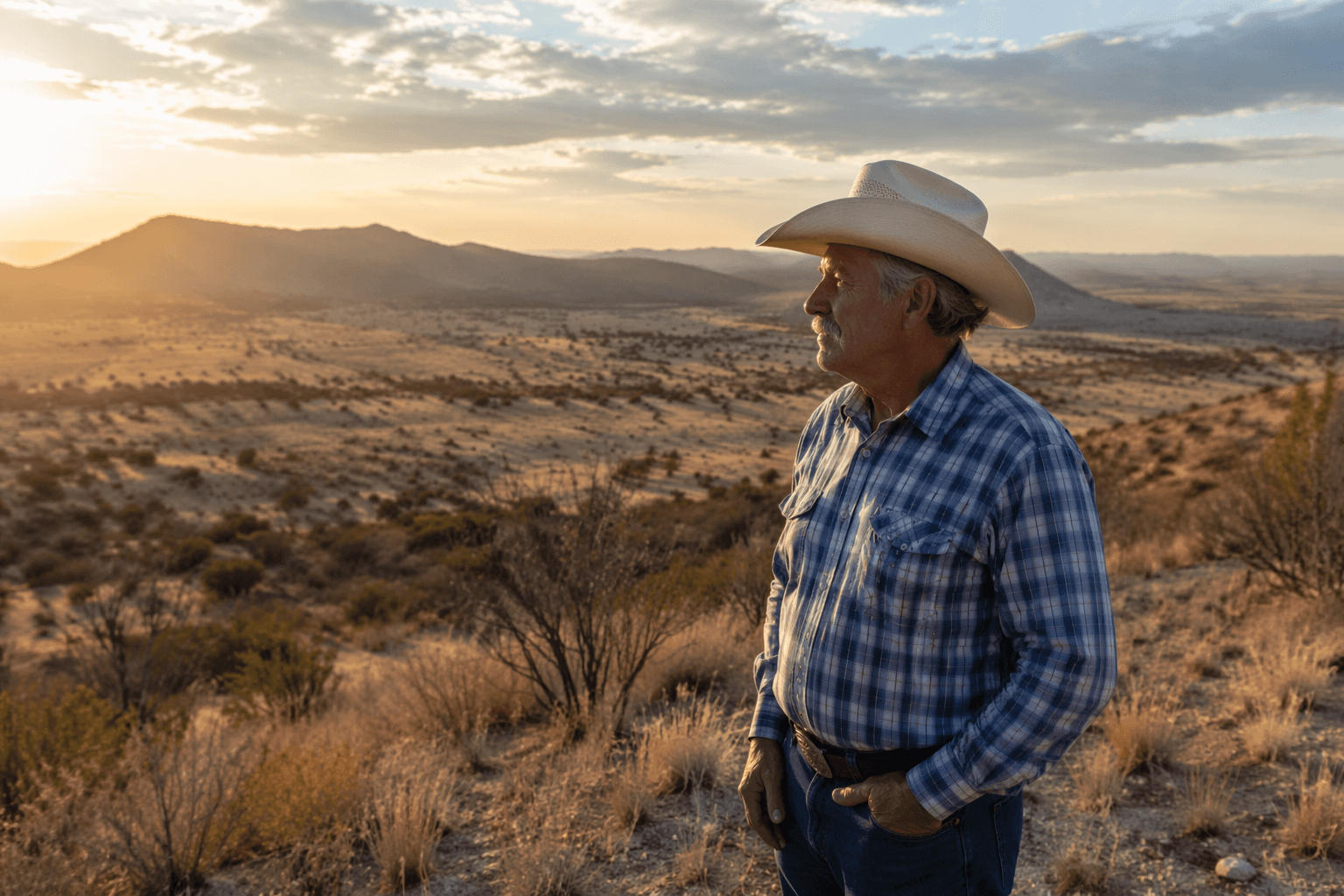
The exchange is tied to the Organ Mountains-Desert Peaks National Monument, established by presidential proclamation on May 21, 2014. BLM fact sheets describe the monument as roughly 496,529 acres of public land made up of the Organ Mountains, Doña Ana Mountains, Sierra de las Uvas, Robledo Mountains and Potrillo Mountains. The agency says the swap would consolidate ownership and reduce the patchwork of federal and state land that can complicate management around the monument.
New Mexico State Land Office leaders have said they want to move landlocked state trust lands out of the monument and in return receive federal land better suited to generate revenue for schools, universities and hospitals. Commissioner Stephanie Garcia Richard has said the state wants to protect the monument while also managing land that can produce income for beneficiaries. Greg Bloom, the land office’s assistant commissioner of mineral resources, has said the trade would be based on equal market value, not equal acreage, and that appraisals are just beginning.
That detail matters in Hidalgo County because a land swap can change more than a map line. If isolated parcels in the county are included, the question for nearby land users is whether access, oversight or future use would shift, even if the largest acreage remains elsewhere in southern New Mexico. Earlier State Land Office materials in 2025 put the potential transfer at roughly 75,000 to 85,000 acres, showing how the proposal has been moving as officials narrow the deal.
For Lordsburg, Santa Teresa and other communities in the county, the significance is straightforward: Hidalgo County has been named in a regionwide land decision that could reshape who manages land, who collects revenue from it and how much of the federal-state checkerboard remains on the ground.
This article was produced by Prism’s automated news system from verified source data, official records, and press releases, then run through automated quality and moderation checks before publishing. The system is built and supervised by the people who set the standards it runs under. Read our full AI policy.
Know something we missed? Have a correction or additional information?
Submit a Tip