Hidalgo County posts DWI meeting agenda, keeps prevention efforts public
Hidalgo County posted its June 10 DWI agenda on June 9, keeping prevention work in public view as residents watch for safer roads in Lordsburg and beyond.
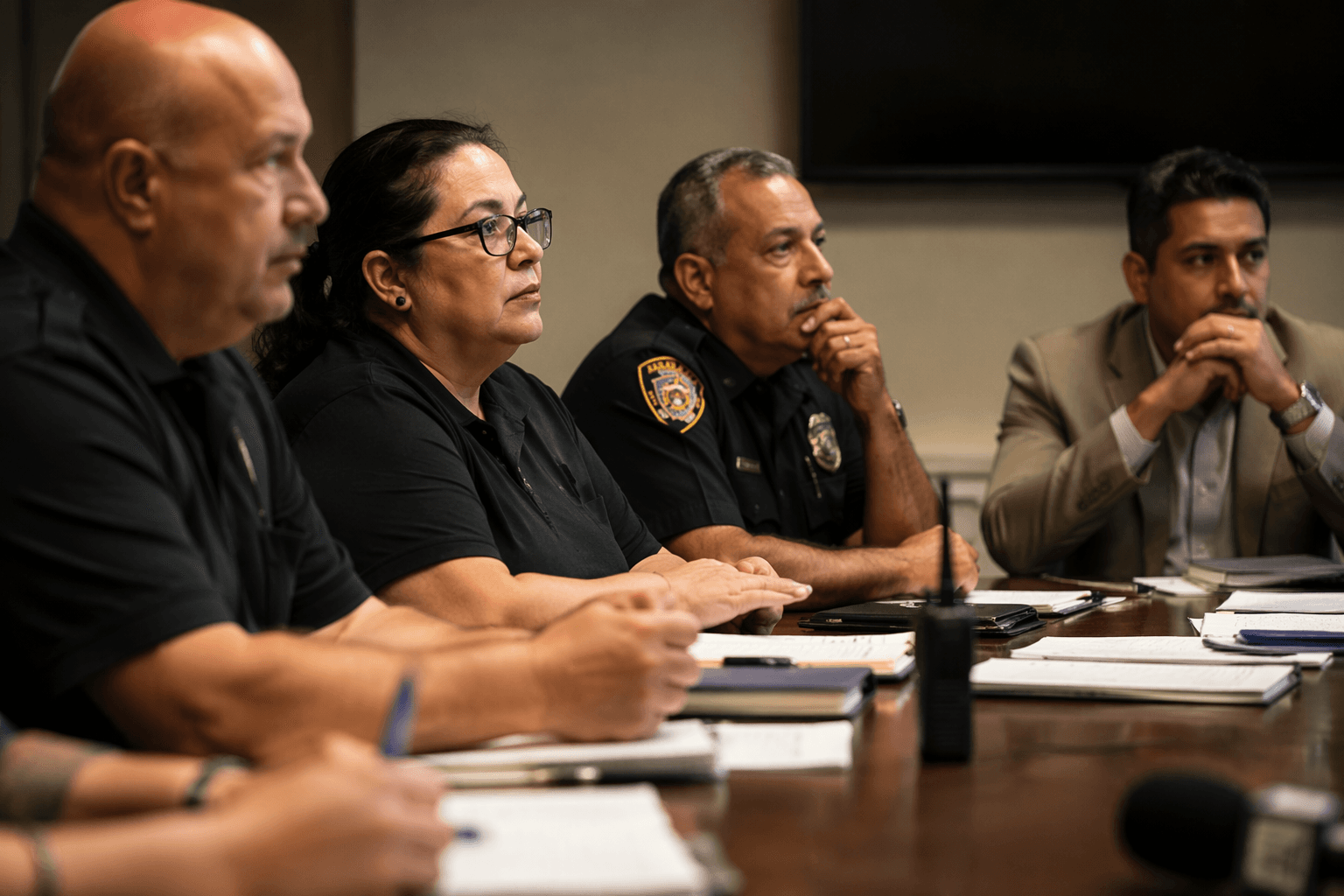
Hidalgo County kept its DWI prevention work on the public calendar last week, posting a June 10, 2026 meeting agenda on June 9 and placing it among the county’s recent announcements. The notice did not spell out every item for the public, but it showed the county continuing to treat impaired-driving prevention as a standing safety function, not a one-time campaign.
That matters in Lordsburg, where highway traffic, rural travel and local enforcement all shape the risk of alcohol- and drug-related crashes. The county’s DWI page says the goal of New Mexico’s DWI program is to reduce and prevent incidents of alcohol- and drug-related DWI, and the county website’s placement of the agenda alongside other core notices kept that mission in plain view for residents watching daily driving conditions.

The county’s DWI page lists Tisha Green, the county manager, as the contact for the program and gives the office address as 317 E. 4th St. in Lordsburg, NM 88045. That gives residents a local point of contact for questions tied to prevention work, public notices and the administrative side of the county’s anti-DWI efforts.
The public posting also fits into a larger state system that has been in place for decades. New Mexico created the Local DWI Program Act and the Local DWI Grant Fund in 1993, and state law allows local DWI grants to counties and municipalities for programs, services and activities meant to prevent or reduce DWI, alcoholism, alcohol abuse, drug addiction or drug abuse. State legislative analysis has described that local funding as a significant source of support for prevention and treatment work at the county level.
For Hidalgo County, that framework is the difference between a single meeting notice and a broader public-safety operation. The county’s agenda posting showed the machinery still running: a local office, a named contact, a public notice and a state-backed program designed to keep impaired driving from becoming a routine feature on county roads. In a county where every enforcement decision can affect who gets home safely from a night out, a commute or a school event, the public calendar remains part of the safety net.
This article was produced by Prism’s automated news system from verified source data, official records, and press releases, then run through automated quality and moderation checks before publishing. The system is built and supervised by the people who set the standards it runs under. Read our full AI policy.
Know something we missed? Have a correction or additional information?
Submit a Tip