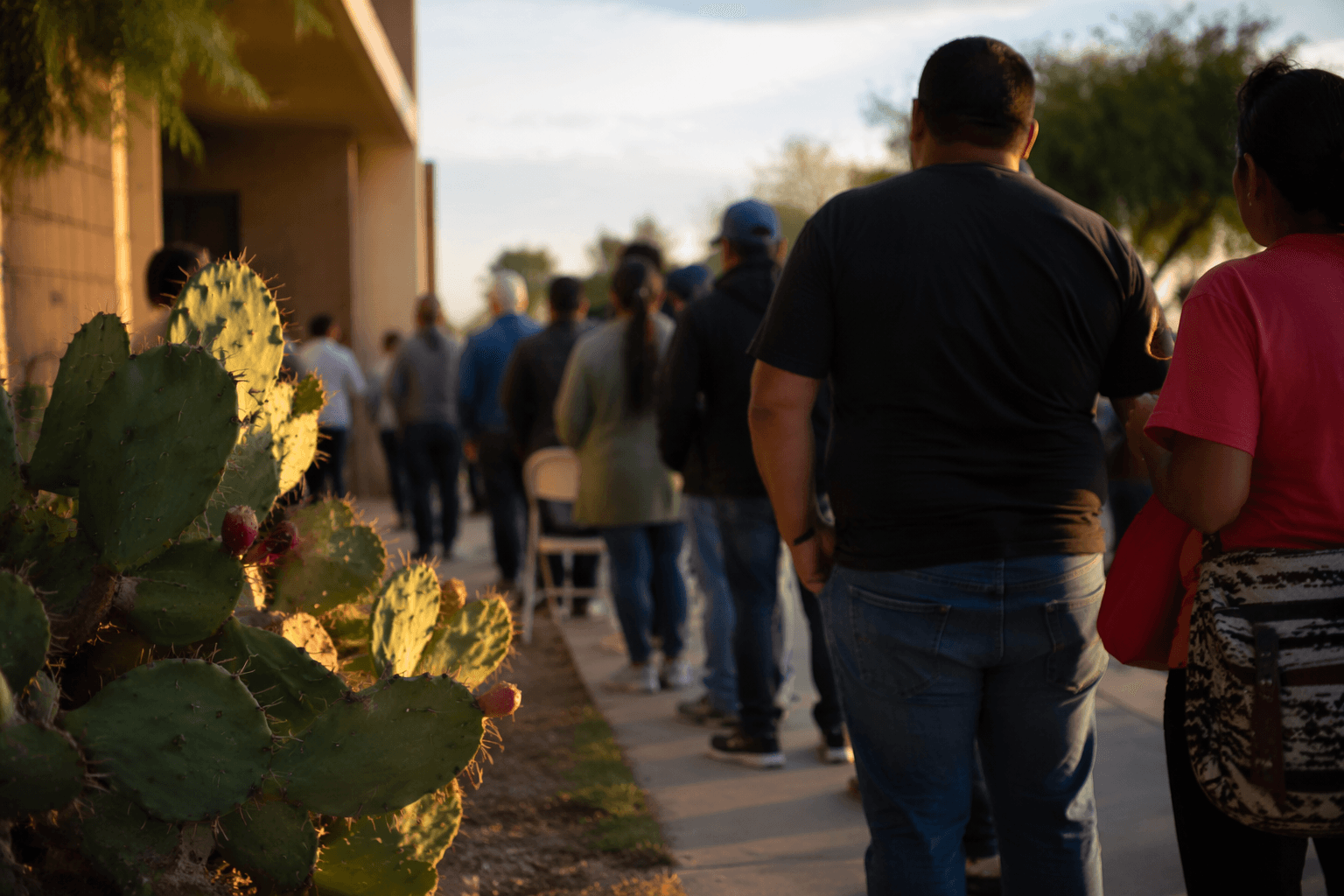
Hidalgo County weighs road vacation, senior services and immigration resolution
Road access, senior services, and an immigration resolution could all move in one Lordsburg meeting. The biggest immediate stakes are who keeps access, who keeps services, and who controls public land decisions.

Road access could be the meeting’s sharpest immediate consequence
Hidalgo County is putting the future of Cloverdale Road and Foster Draw Road directly in front of commissioners, and that is the item most likely to change day-to-day access for nearby residents, ranchers, and emergency responders. The county’s road-viewing notice set out a process that started on May 22, 2026, at 10:00 a.m. at Geronimo Trail and County Road 1, where the county-appointed committee examined the proposed vacation of portions of both roads, the proposed alternate route, and San Luis Pass Road as a comparison for improvements.
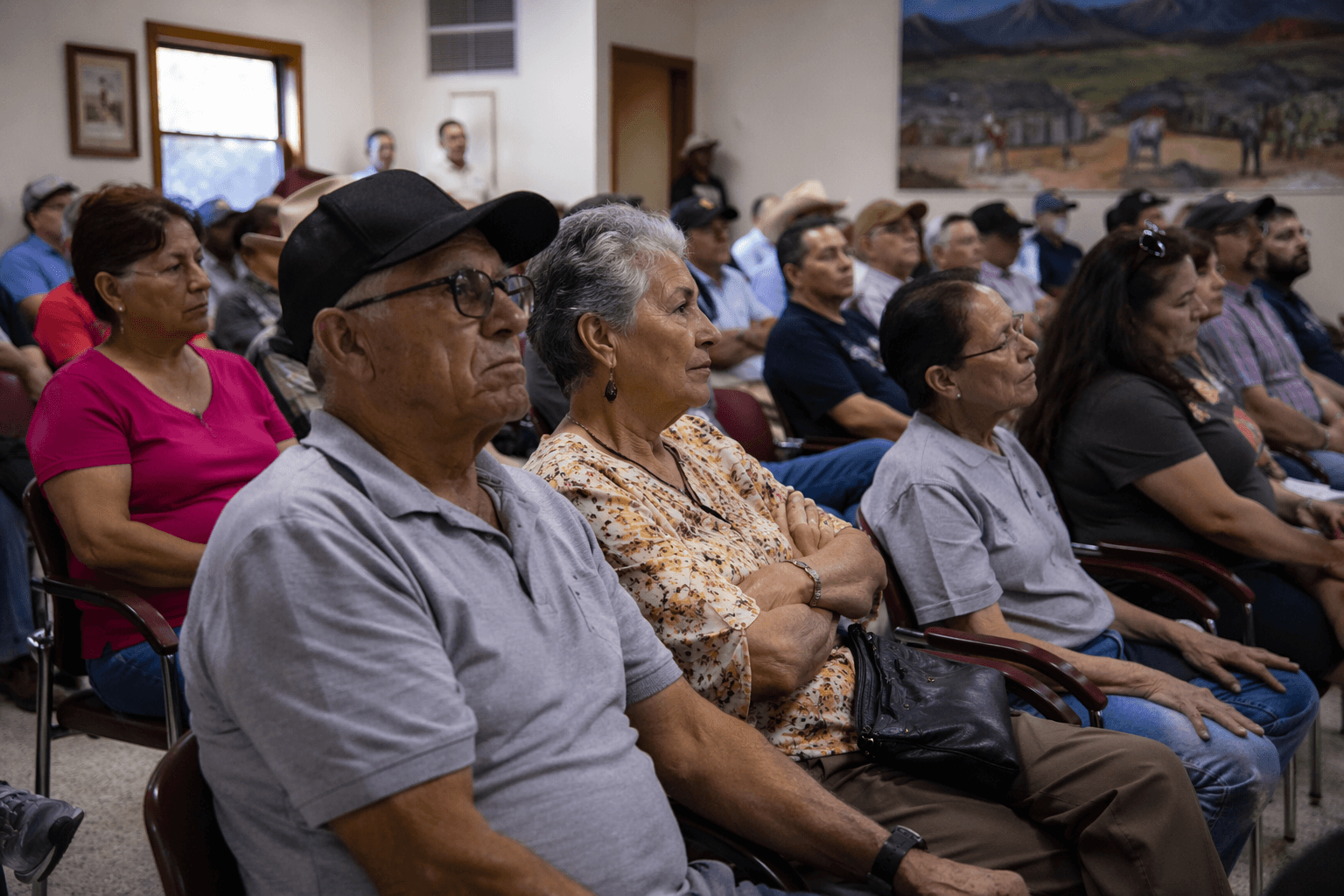
That process matters because it was not a closed technical review. Residents were allowed to follow the viewers in their own vehicles and then speak in public session afterward, with those comments folded into the committee’s written report and recommendation to commissioners. In other words, the county built public testimony into the record before any final decision, which makes this more than a routine road item. It is the kind of decision that can shift access patterns first and force everyone who uses the corridor to adapt later.
The scale of the road system also explains why a single vacation request can draw close attention. Hidalgo County says it maintains 480.7 miles of county roads, split among three sections: Section A with 168.8 miles and 42 roads, Section B with 19.5 miles and 12 roads, and Section C with 292.5 miles and 105 roads. Fernando Marquez is listed as the road supervisor, and the county directs residents to submit road-service requests through its online form or by contacting the road department in Animas.
For commissioners, the unanswered questions are practical ones: what access changes if the vacation is approved, who gains or loses the most, and whether the alternate route is ready to carry the load without creating a new bottleneck elsewhere. If the county moves land out of public road status, the people most affected will not be policy staff in Lordsburg. They will be the residents who need to get to their homes, parcels, or emergency calls through that corridor first.
Senior services hinge on leases, vehicles, and continuity in Lordsburg
The same agenda also puts senior services on the line through a pair of lease agreements and a vehicle lease tied to the senior center building in Lordsburg. Commissioners are scheduled to consider a lease with the City of Lordsburg for a portion of the building to be used for the senior program, another lease with Gila Regional Medical Center for a portion of the same building for community wellness, and a vehicle lease with the city for senior-program vehicles.
Those are not small administrative arrangements in a rural county. They are the kind of deals that determine whether older adults continue to have a place to gather, eat, and receive support without having to travel long distances. The county’s own agenda makes clear that the building is being treated as a shared civic asset, with different public purposes housed under one roof.
Hidalgo Medical Services has been a central player in that network. HMS says it has served as the administrative agency for senior centers in Grant and Hidalgo counties since 2015, and it has operated the Lordsburg senior center since 2007. HMS also said it supported more than 560 seniors in 2024 through congregate meals and home-delivered meals, and that the Lordsburg center would continue operating because of requirements in its lease agreement with Hidalgo County.
The broader service footprint is substantial. HMS says it operates 22 locations in Hidalgo and Grant counties, including five senior centers and two administrative locations, and that it provides more than 70,000 annual visits with over 46 licensed providers and 175 associates. In 2021, HMS said its senior services delivered over 102,000 meals to more than 500 seniors across the two-county area. Seniors generally must be 60 years or older to sign up.
That puts the lease actions in a sharper light: if the county changes the terms, the effect could show up quickly in meals, transportation, and continuity of service. The residents most exposed to any disruption are older adults who depend on congregate dining, home delivery, and nearby services to stay independent. Commissioners should be pressed to explain what each lease preserves, how long it lasts, and whether the vehicle arrangement is enough to keep the program functioning without interruption.
Immigration politics enter the room through a county resolution
The agenda also places Hidalgo County in the middle of a wider regional fight over immigration enforcement and state law. Commissioners are set to consider a resolution supporting Otero County’s authority to continue contracting with U.S. Immigration and Customs Enforcement and opposing SB 9. That makes the meeting more than a local housekeeping session; it places the county on record in a debate that already has legal and political consequences elsewhere in New Mexico.
The backdrop is a fresh challenge to Otero County’s actions. In March 2026, a lawmaker asked Attorney General Raúl Torrez to review Otero County’s emergency approval of a new five-year ICE agreement, arguing the county might be trying to get around HB 9 and raising open-meetings concerns. The Journal reported that HB 9, signed in February 2026 and effective May 20, bars public entities from selling, leasing, or otherwise transferring property for federal civil immigration detention.
That context matters because county resolutions can signal more than symbolism. They can shape how local officials interpret their duties, how residents understand the county’s political stance, and how future property or contract decisions are framed. If Hidalgo County backs Otero County’s position, commissioners will need to be precise about what they believe the county can do, what it cannot do, and how that squares with the new state law.
The practical stakes are not abstract. Any county action tied to detention, property, or federal contracts can affect land use, legal exposure, and public trust. Residents should be watching for whether the county is trying to make a policy statement, protect local autonomy, or prepare for future disputes that could reach beyond Hidalgo County’s borders.
Real-property questions could alter use and public access
The executive session agenda adds another layer: county roads, state-lease land, geothermal transmission easements, and property near the detention center are all listed for discussion. Those are the kinds of items that can change who controls land, who may use it, and whether the public can still access it in the same way.
That is why the meeting should be read as a land-use session as much as a policy meeting. Road vacations can reshape public access. Lease agreements can preserve or limit services. Easements can determine where infrastructure runs and who has the right to build or maintain it. Property near the detention center can carry political and legal weight far beyond its footprint.
The county has set the special meeting for 5:30 p.m. in Commission Chambers at 305 Pyramid Street in Lordsburg, and the agenda says the public may also attend and listen via Zoom. That access gives residents a chance to hear whether commissioners treat these items as isolated approvals or as connected decisions that affect mobility, care for older adults, and the county’s position in an escalating state-federal conflict.
What happens after the meeting could be felt first by the people who drive the roads, rely on the senior center, or live near the properties under discussion. Those are the residents whose access, services, and property rights stand closest to the center of the county’s agenda.
This article was produced by Prism’s automated news system from verified source data, official records, and press releases, then run through automated quality and moderation checks before publishing. The system is built and supervised by the people who set the standards it runs under. Read our full AI policy.
Know something we missed? Have a correction or additional information?
Submit a Tip