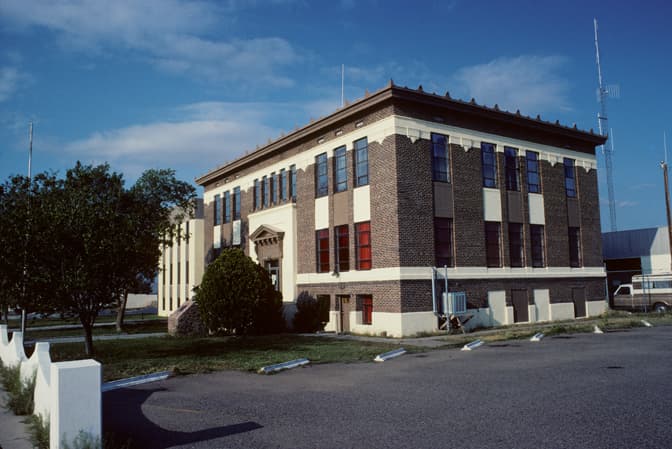
How historic preservation works in Hidalgo County, from nomination to review
A Hidalgo County landmark can move from a questionnaire to national review in about 90 days, but owners, local commissions and the state all shape the outcome.
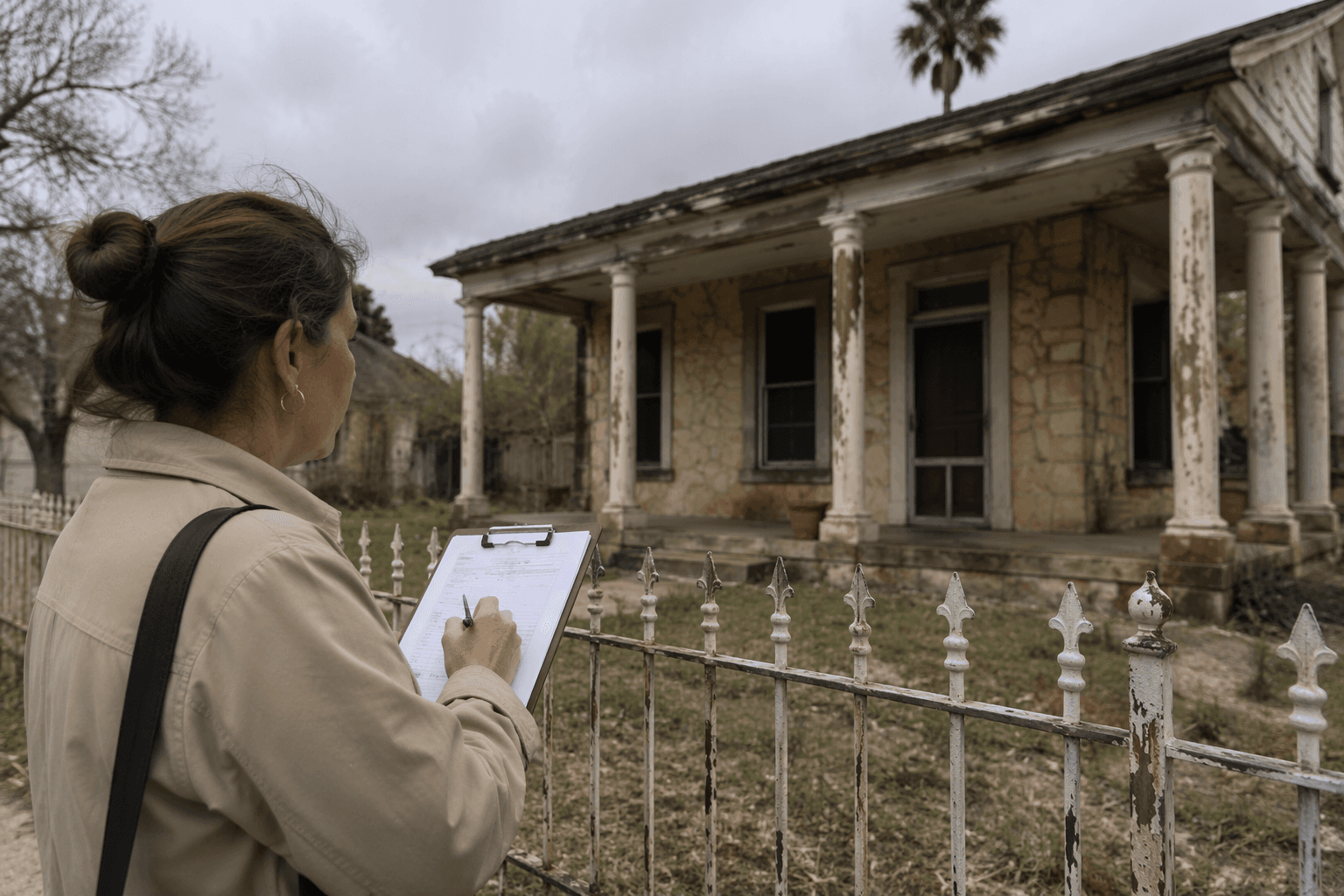
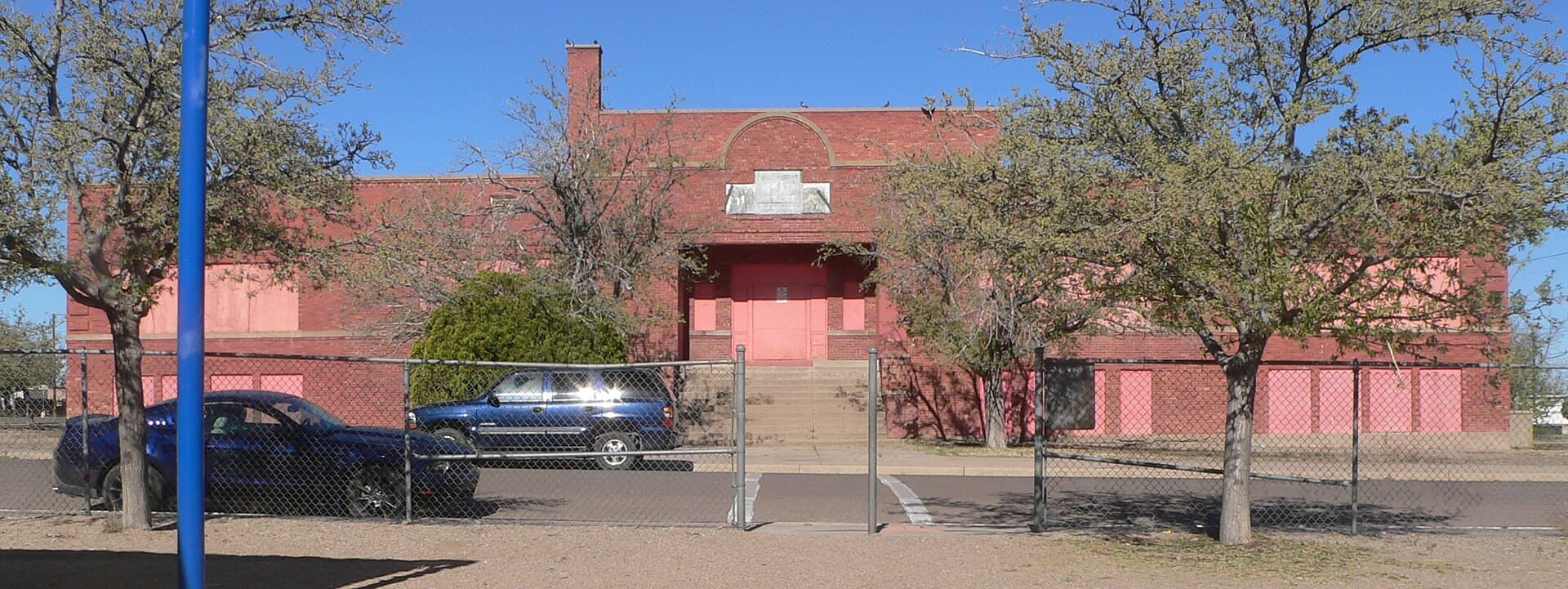
Lordsburg High School became the center of a preservation campaign that gathered 379 signatures from citizens and former students. In Hidalgo County, the first decision in historic preservation is local: whether a place is worth documenting before a wall comes down, a storefront is altered, or a district starts to fade. From Lordsburg High School to the three-block stretch of East Motel Drive, the path runs through a state questionnaire, local review, and, if the record is strong enough, a final listing in Washington, D.C.
How the state and national registers work
New Mexico’s State Register of Cultural Properties was authorized in 1969, and the National Register of Historic Places came a few years earlier under the National Historic Preservation Act of 1966. The New Mexico Historic Preservation Division uses those registers as the fundamental building block of preservation activity, and the National Register is part of a national program to coordinate and support efforts to identify, evaluate and protect historic and archeological resources.
Listing is not just about honorific status. The registers recognize important historic resources, increase awareness of cultural heritage, assist planning efforts and can open doors to funding and tax credits. For property owners and neighborhood groups, that means the process is tied to real decisions about what gets protected, what gets changed and what becomes eligible for public support.
What happens when a property is nominated
A nomination in New Mexico starts small. The division begins with a State and National Register Preliminary Questionnaire and photographs so staff can assess whether a property appears eligible. If it does, an official nomination form is prepared and moved into the review system.
Timing is built into every step. Nomination materials have to reach the division at least 90 days before the scheduled Cultural Properties Review Committee meeting. If the property is in a Certified Local Government community, a 60-day local review is part of the process before the state committee acts. After the committee forwards a nomination, the federal review can take 45 days or more before listing occurs.
The state process typically takes a minimum of 90 days, and complete nominations then go to Washington, D.C., for final review by the Keeper of the National Register of Historic Places. That final stage is where a nomination becomes a listing, but it is not automatic. If an owner, or a majority of owners in a historic district, objects, the property cannot be listed, although it may still be forwarded for a Determination of Eligibility.
Where local communities get a say
The Certified Local Government program gives communities a formal role in preservation. To participate, a community has to adopt a preservation ordinance and create a citizen-led commission, then work in partnership with the Historic Preservation Division and the National Park Service. The federal framework ties those local commissions to the National Historic Preservation Act and to state procedures, so local review is built into the system rather than added at the end.

Small towns and neighborhoods can shape historic identity without waiting for decisions to come only from Santa Fe or Washington. Volunteer boards, neighborhood leaders and preservation advocates can influence whether a place is documented, whether a district is proposed and how a community explains its own history.
The Historic Preservation Division sets aside 10 percent of its annual Historic Preservation Fund allocation for CLG grants, and about $125,000 was available in 2022. For smaller communities, that kind of funding can help with surveys, documentation and the early work needed to build a credible nomination.
Why Hidalgo County already knows this system
In June 2015, the state division said ten years of grassroots preservation work in southwestern New Mexico led the Cultural Properties Review Committee to unanimously recommend the abandoned school for the National Register of Historic Places.
The division also identified a three-block stretch of East Motel Drive in Lordsburg as the basis for what could become the first historic district in Hidalgo County.
The support systems that keep the process moving
The division’s preservation work also includes outreach. Heritage Preservation Month and SiteWatch are designed to reach communities across New Mexico and to highlight preservation achievements where people live.
The Historic Contexts, Reports & Plans program supports studies used by academic researchers, federal agencies, state offices, local governments and industry. Those reports help determine what is significant, how a property fits into a larger pattern and whether a place should be preserved, adapted or recorded before change arrives.
This article was produced by Prism’s automated news system from verified source data, official records, and press releases, then run through automated quality and moderation checks before publishing. The system is built and supervised by the people who set the standards it runs under. Read our full AI policy.
Did this article answer your question?