Minneapolis Council Pushes Decrim Drugs, Sex Bathhouses, Homeless Parking Lots
Minneapolis City Council advanced three sweeping policy proposals April 7, including decriminalizing drug paraphernalia, legalizing sex bathhouses banned since 1988, and creating overnight homeless parking lots.
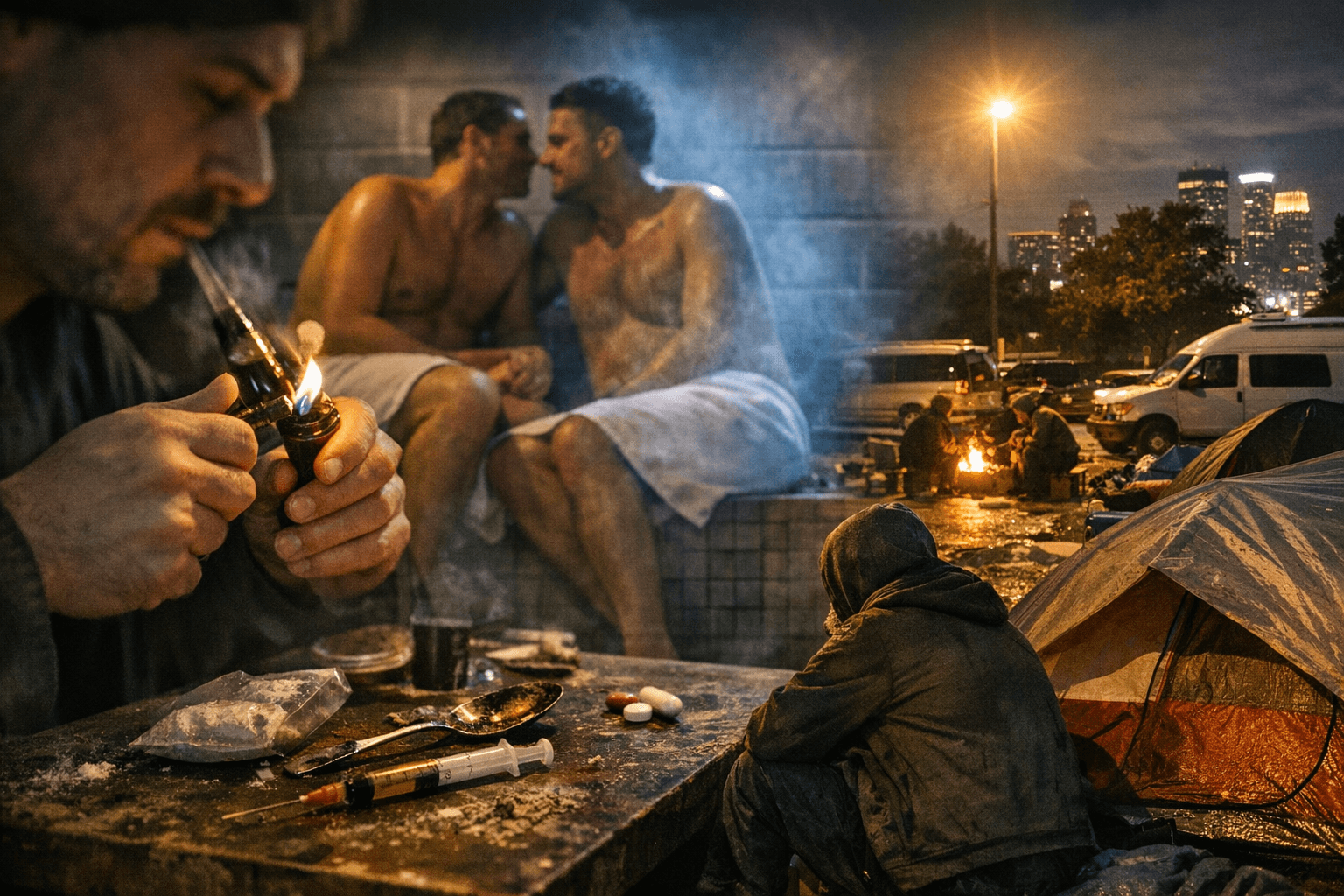
The Minneapolis City Council advanced three sweeping and controversial policy proposals in a single week, moving to decriminalize drug paraphernalia, legalize adult sex bathhouses for the first time since 1988, and create officially sanctioned overnight parking lots for homeless residents living in their vehicles.
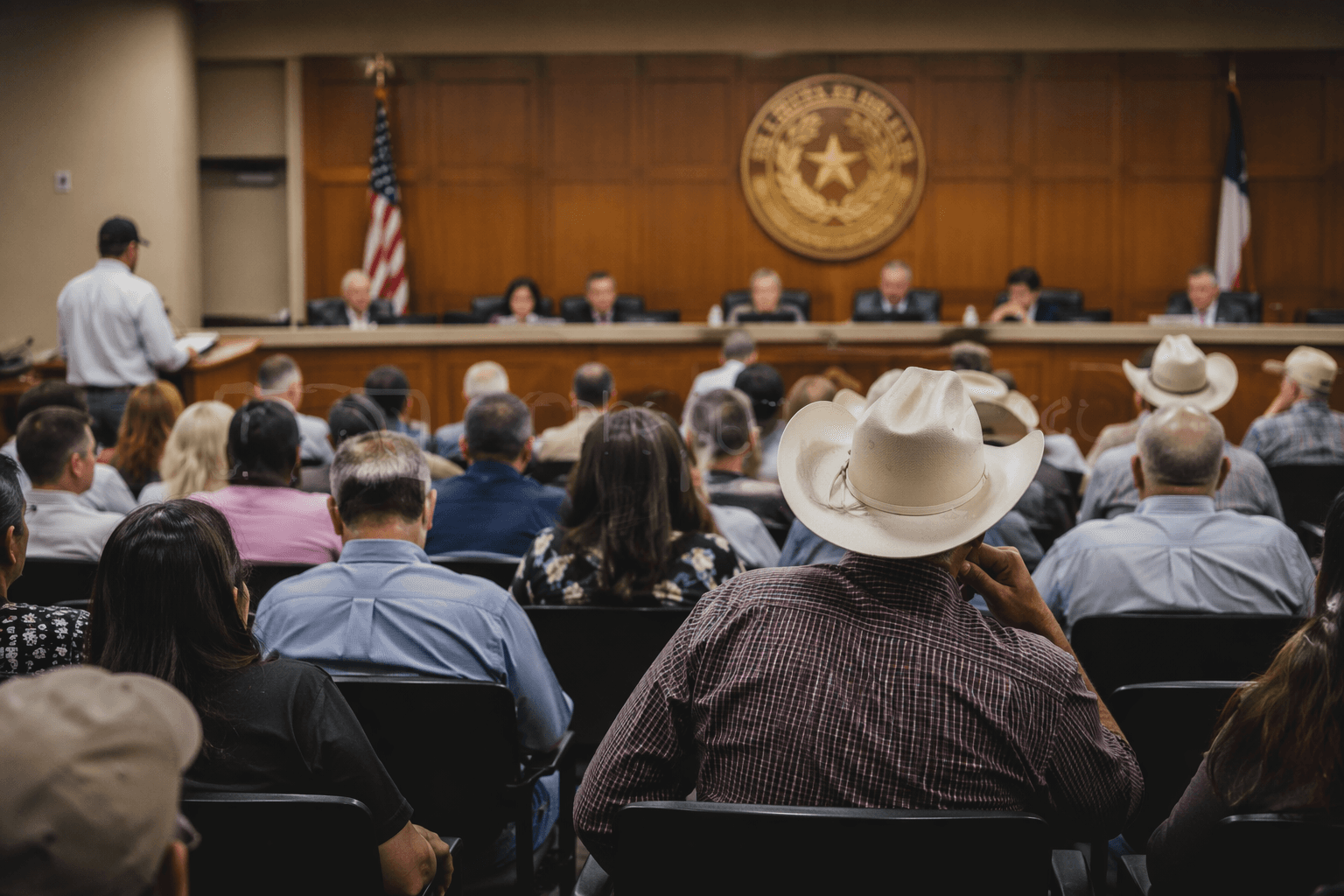
On April 7, the council held a public hearing on an ordinance authored by Ward 9 Councilmember Jason Chavez that would decriminalize the possession of drug paraphernalia, including needles and syringes. Chavez wrote on social media that the measure "will ensure our local laws are in compliance with state law while also centering the humanity of our shared community." Supporters on the council described it as a step toward treating drug use as a health issue rather than a criminal matter. Minnesota legalized drug paraphernalia possession at the state level in 2023, and the proposed city ordinance would bring Minneapolis municipal code in line with that change.
Not everyone is on board. Andrea Corbin, owner of the Flower Bar on Lyndale Avenue, told the council she is "very concerned" about the ordinance's potential impact on her business and surrounding residents.
Separately, the council referred a package of four proposed ordinances to staff that would legalize and regulate adult bathhouses and sex venues where consenting adults may engage in sexual activity. The four ordinances would create a licensing framework, update zoning regulations, revise health standards, and add exceptions to existing indecency laws. The last bathhouse to legally operate in Minneapolis closed in 1988, when the city moved to ban what it called high-risk sexual conduct establishments in the early years of the AIDS crisis. Chavez has argued that such spaces are vital "LGBTQIA+ gathering space," and the Safer Sex Spaces Coalition has been advocating for the policy reversal for several years.
On April 6, one day before those hearings, the Minneapolis Planning Commission voted unanimously to recommend that the full City Council approve zoning changes to allow "Safe Outdoor Parking," designating specific lots where people experiencing homelessness can legally park and sleep in their vehicles overnight. The proposal was introduced by Chavez alongside council members Aurin Chowdhury of Ward 12 and Aisha Chughtai of Ward 10, and is modeled after existing programs in Duluth, Minnesota, and Denver, Colorado. The city first declared unsheltered homelessness a public health emergency in December 2023, and the safe parking initiative has been under development since early 2024. Under the proposed framework, designated sites would be located on city-owned property or non-profit land.
The three proposals together drew significant backlash on social media, with critics arguing the measures would compound existing public safety concerns in a city still navigating elevated crime levels. The Planning Commission's unanimous vote on safe parking moves the zoning changes closer to a full council vote, while the bathhouse and drug paraphernalia ordinances remain in the staff referral and public hearing stage.
This article was produced by Prism’s automated news system from verified source data, official records, and press releases, then run through automated quality and moderation checks before publishing. The system is built and supervised by the people who set the standards it runs under. Read our full AI policy.
Did this article answer your question?