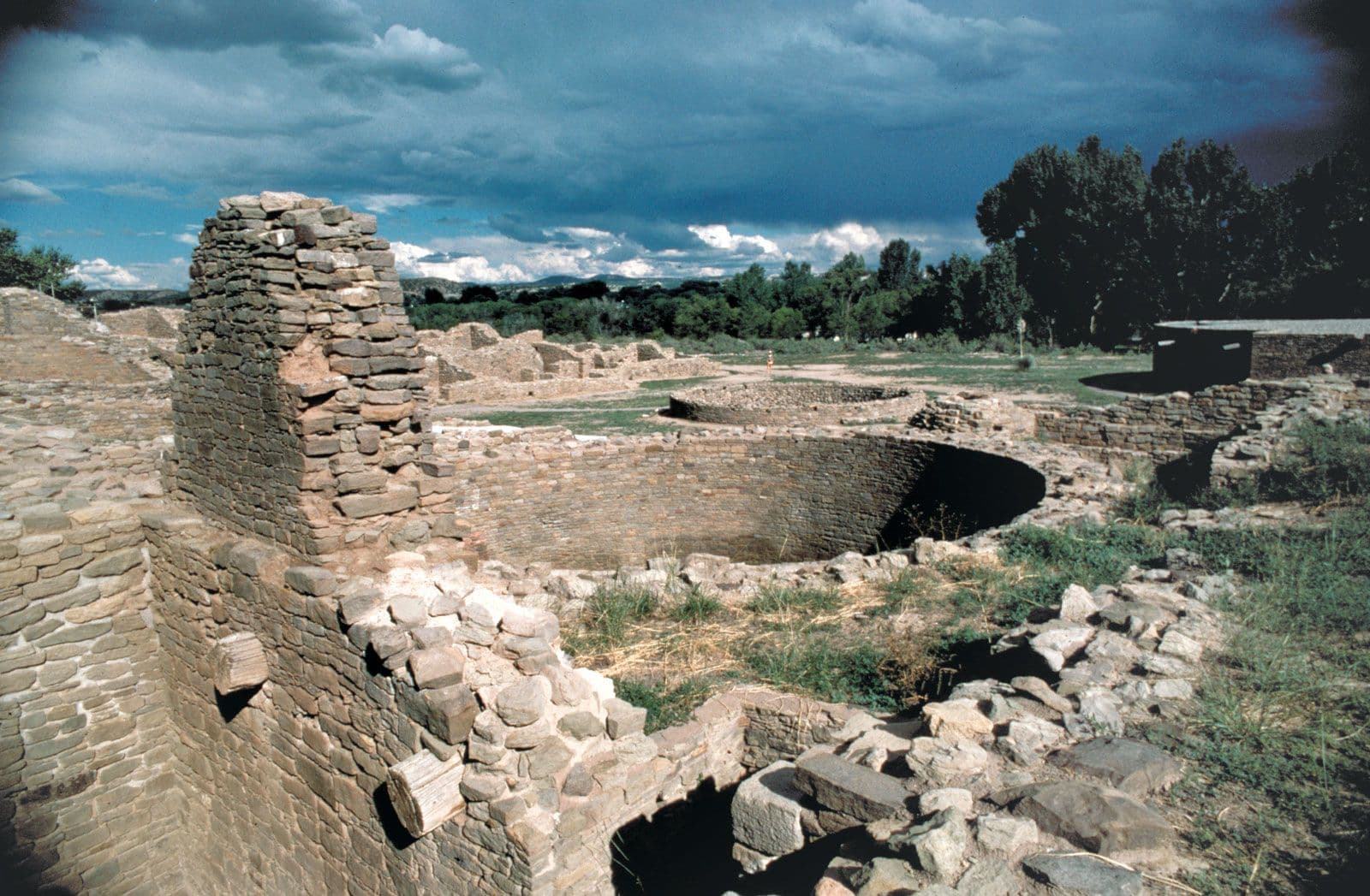
Shakespeare Cemetery Preserves Hidalgo County's Earliest Settlers Near Lordsburg
Shakespeare Cemetery, just southwest of Lordsburg, holds the graves of Hidalgo County's earliest settlers and predates most of the region's modern infrastructure.
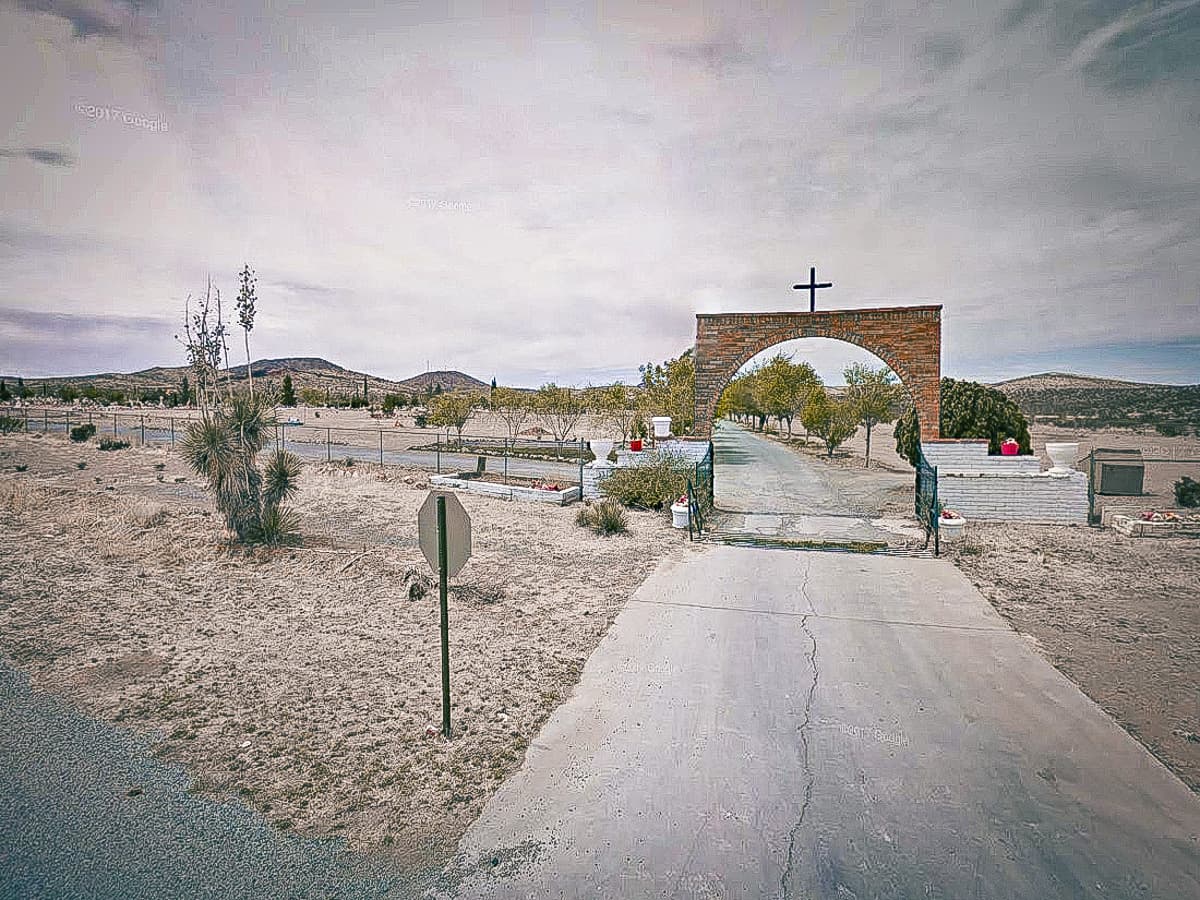
A few miles southwest of Lordsburg, past the edge of town where the desert reasserts itself, Shakespeare Cemetery holds the remains of people who arrived in this corner of New Mexico before Hidalgo County had a name, before its roads were graded, and before most of its institutions existed at all. It is a small place, as frontier cemeteries tend to be, but its historical weight is considerable. The graves and memorials here document Lordsburg's 19th-century origins in ways that no courthouse record or newspaper archive quite matches, because they name the actual people who were buried in this ground when the territory was still raw.
A Cemetery Older Than the County It Sits In
Hidalgo County was carved out of Grant County in 1919, but Shakespeare Cemetery predates that political boundary by decades. The cemetery's oldest markers belong to an era when this stretch of the Chihuahuan Desert was defined by mining camps, cattle operations, and the Southern Pacific Railroad rather than county lines or municipal services. Lordsburg itself grew up around the railroad in the 1880s, and the settlers who arrived in those first decades, the miners, ranchers, merchants, and families who gambled on the Southwest, are the people whose names appear on the oldest stones at Shakespeare Cemetery.
That the cemetery predates so much of the county's modern infrastructure is not just a historical footnote. It means Shakespeare Cemetery is one of the few physical sites in Hidalgo County where the 19th century is still directly legible, where a visitor can stand in front of a marker and connect a name to the actual period of Lordsburg's founding rather than reading about it secondhand.
The Ghost Town Connection
The cemetery takes its name from Shakespeare, the ghost town that sits nearby and that was once one of the most significant silver mining communities in the New Mexico Territory. Shakespeare the town boomed and collapsed through the 1870s and 1880s, and the cemetery served the people who lived and died there during those volatile decades. When the silver played out and the population scattered, the town itself was largely abandoned, but the cemetery remained, as cemeteries do, fixed to the landscape in a way that saloons and assay offices are not.
Today, Shakespeare Ghost Town is a privately managed historic site that draws visitors interested in territorial-era New Mexico, and the cemetery exists within that broader geography of memory. The two sites together, the crumbling adobe structures of the ghost town and the cemetery's weathered markers, form one of the most intact windows into 19th-century Hidalgo County that still exists anywhere in the region.
What the Graves Document
The markers at Shakespeare Cemetery do the work that demographic records from the period often failed to do: they fix individual lives to specific moments in time. Frontier cemeteries in the Southwest frequently contain the graves of people who died young, casualties of mining accidents, disease, violence, and the general hardship of life in a region without reliable medical care or civic infrastructure. Shakespeare Cemetery is no exception. The stones here reflect the mortality patterns of a 19th-century boom community, with dates that cluster around the years when Shakespeare and Lordsburg were at their most active and most dangerous.
Beyond individual dates, the cemetery preserves a record of who came to this part of New Mexico in the first place. The surnames on the markers tell a story of migration: people arriving from other mining districts, from Mexico, from the eastern United States, drawn by the same combination of silver deposits and railroad access that built the whole southern New Mexico economy in the late 1800s. Reading the cemetery as a document rather than simply as a resting place reveals a community that was more diverse and more transient than the region's later history sometimes suggests.
Visiting Shakespeare Cemetery
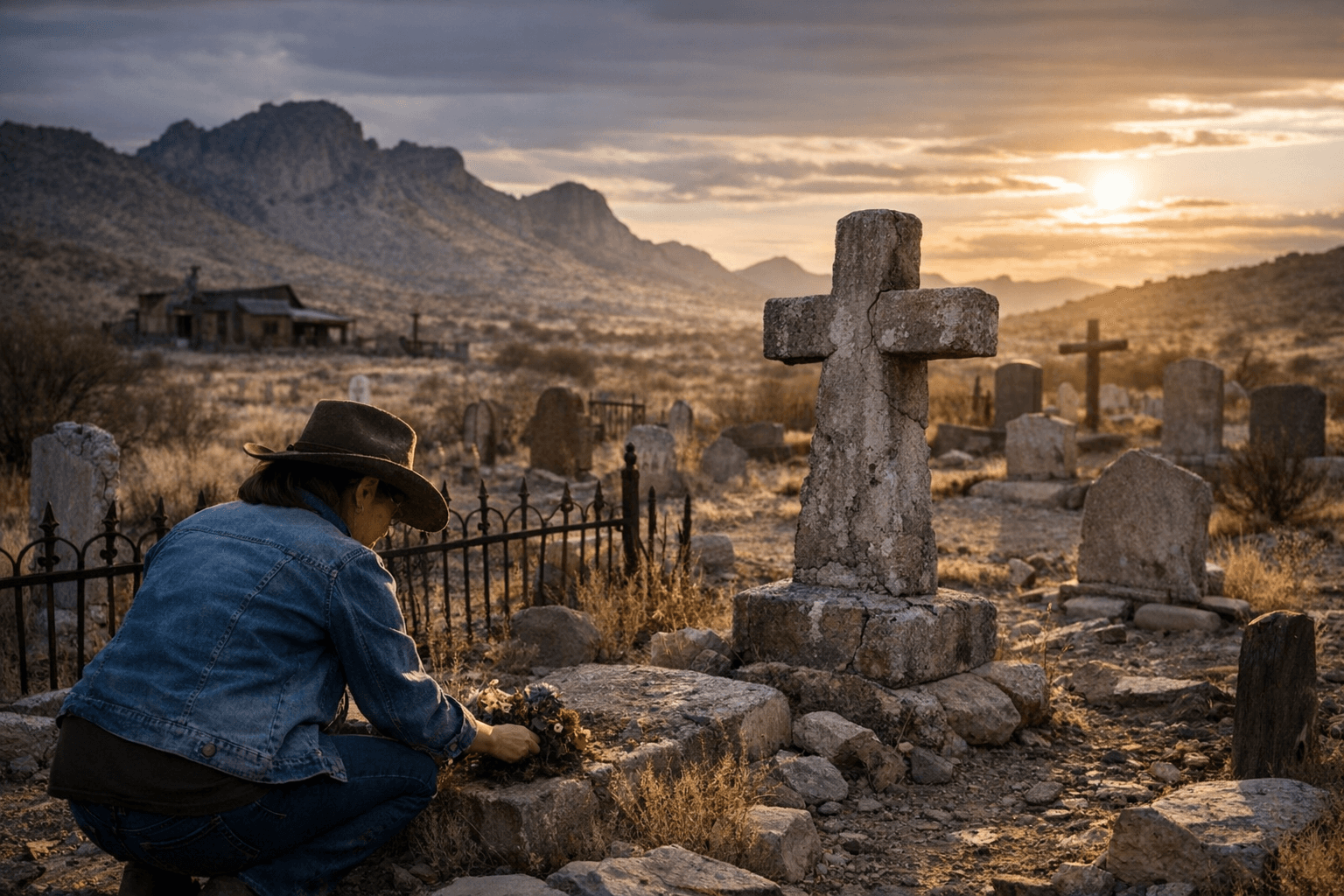
The cemetery is located a short drive southwest of Lordsburg, accessible to visitors who make the trip to the Shakespeare Ghost Town area. Because Shakespeare Ghost Town is privately held, it is worth confirming access details before visiting, as the site operates on a specific schedule rather than as an open public park. The cemetery itself is a place that rewards slow attention: the markers vary in material and condition, some stone, some metal, some barely legible, and each one represents a person whose life intersected with this particular stretch of the Bootheel at a specific historical moment.
A few practical notes for visitors:
- Bring water and sun protection, as the site is fully exposed to the Chihuahuan Desert climate regardless of season
- Wear sturdy footwear, since the ground around the cemetery and ghost town is uneven and rocky
- Respect the markers and do not attempt to clean, move, or reposition any stones, as amateur cleaning can accelerate deterioration of historic material
- Photography is generally welcomed at historic cemeteries as a preservation tool, and documenting markers helps create a record that survives physical decay
Preservation in a Remote Landscape
One of the persistent challenges for historic cemeteries in rural New Mexico is simply the difficulty of sustained stewardship. Shakespeare Cemetery sits in one of the most sparsely populated counties in the United States, and the organizations and individuals who care for sites like this one operate without the resources available to urban historic preservation programs. The private stewardship of Shakespeare Ghost Town has provided some measure of continuity for the broader site, but the cemetery's long-term condition depends on the kind of attention that only engaged communities and dedicated individuals can provide.
Organizations like the New Mexico Genealogical Society and various cemetery preservation groups have worked across the state to document and stabilize historic burial grounds, and Shakespeare Cemetery exists within that network of concern. Photographing and transcribing markers, reporting damage, and supporting preservation efforts financially are all ways that people connected to Hidalgo County's history can contribute to keeping this record intact.
Why It Matters Now
Shakespeare Cemetery is not a large site, and it does not announce itself with interpretive signs or visitor amenities. What it offers instead is directness: the actual names of the people who were here first, recorded in stone, in a landscape that has changed less than almost anywhere else in southern New Mexico. For anyone tracing family roots in the Lordsburg area, researching the history of New Mexico's territorial period, or simply trying to understand what this county was before it became what it is today, the cemetery southwest of Lordsburg is one of the most honest places to start.
This article was produced by Prism’s automated news system from verified source data, official records, and press releases, then run through automated quality and moderation checks before publishing. The system is built and supervised by the people who set the standards it runs under. Read our full AI policy.
Did this article answer your question?