Holmes County Dog Warden Reports Fewer Intakes, Rise in Cruelty Cases
Holmes County dog warden reports fewer intakes in 2025 but a rise in cruelty cases, straining kennel space and investigative resources.

Holmes County recorded 432 dog intakes in 2025, down from more than 480 in 2024, even as cruelty charges rose to 19 last year, a jump of 16 from 2024. The combination of fewer overall intakes and a higher share of complex cruelty and bite cases is constraining the county’s 14-cage kennel and increasing investigative workloads, officials told commissioners.
Jonathan Beam, Holmes County dog warden, said the office responded to 159 complaints in 2025, compared with roughly 225 in 2024. "I would say we had more citations than charges this year," Beam said, noting that cruelty, welfare and dog bite calls required more time to investigate. "Those cases took a lot more investigation time on our end, and some of them are still working their way through the court system," he added.
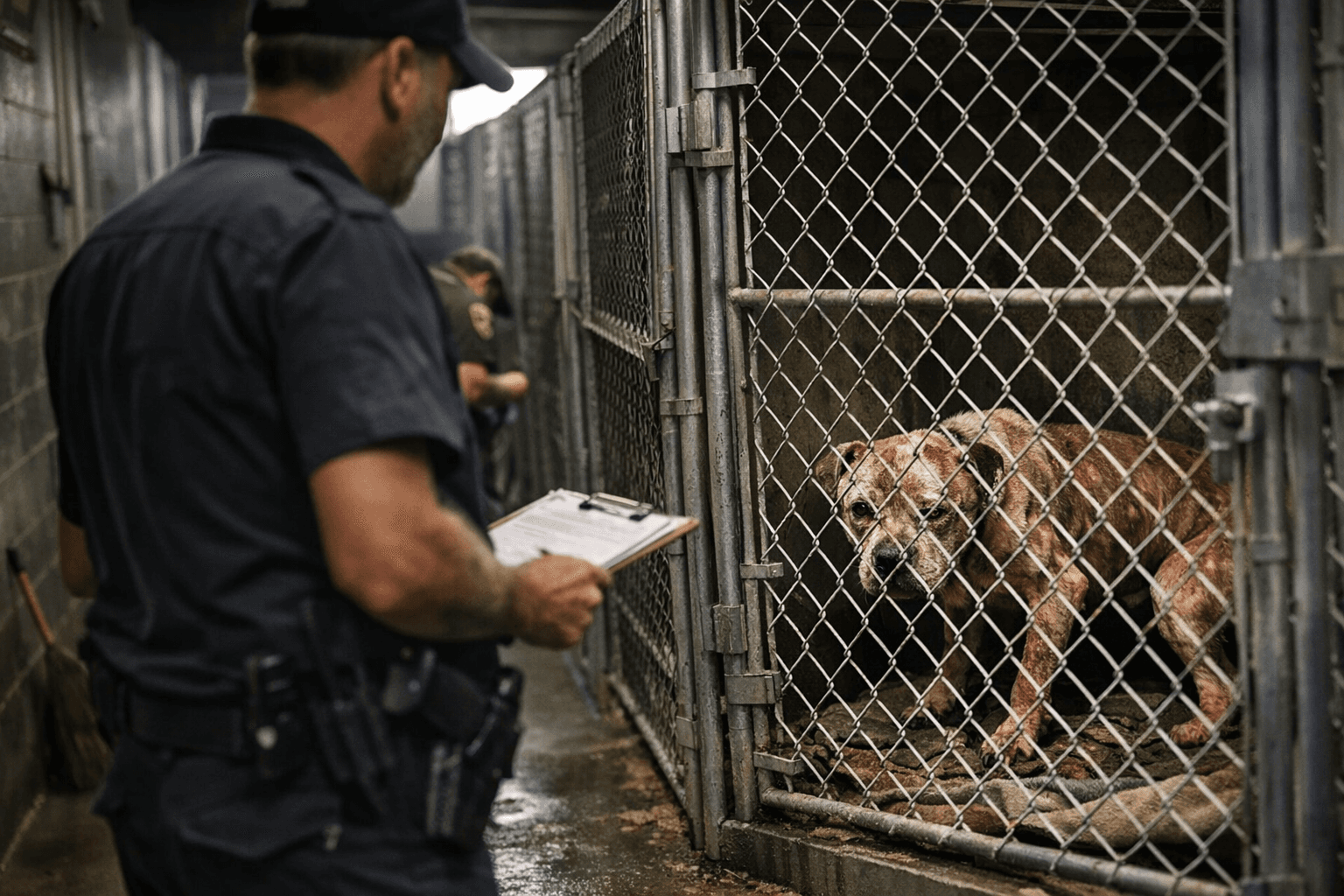
The kennel ran at near capacity for much of the year. The average number of dogs per day was 14.1, meaning the facility was full on most days; Beam said the office sometimes doubled up dogs in cages when possible. In the past couple of weeks the average dropped to about 10 dogs, offering temporary relief. Beam also said some dogs involved in cruelty investigations must remain in custody for extended periods, tying up space that could otherwise accept strays or surrenders.
Despite the operational strain, the agency posted a 97.5 percent live release rate for 2025. Beam explained euthanasia remains rare and is restricted to animals that are aggressively dangerous or severely injured or ill. "We only euthanize dogs for a couple reasons," Beam said. "We haven't had to (euthanize) for space since I've been here. We only euthanize if they have anger issues or are aggressive, and we don't feel comfortable putting them back into the public." He added, "Euthanizing of adoptable dogs doesn't happen."
The office conducted 62 spay and neuter procedures against a goal of 70, designated six dangerous dogs, logged 569 volunteer hours, and received more than $29,000 in medical donations. Sponsorships now cover 13 of the 14 kennels, and sponsors funded roughly 400 vaccinations last year. Beam also began mapping pickup locations by time and sex to better understand where stray dogs originate. "It gives us a better idea of where our dogs are coming in from," he said.
Commissioner Dave Hall said Holmes County operates with a smaller staff than comparable counties, a reality Beam attributes to cross-training. "We're unique in that we are all trained to do the same things," Beam said. "If I'm out, we're not going to miss a beat." Hall praised the staff, saying, "Most dog wardens don't do everything you do." Beam replied, "We all like to get out into the community. We have enough to manage what we have, but there is no growth opportunity."
Looking ahead, the office plans to expand the Pet Fund Grant program, create a spay/neuter voucher system with local veterinarians and pursue a new kennel building backed by commissioners. State changes under Avery’s Law will strengthen enforcement but add workload. "I've looked at that law, and those changes are going to stretch us until we get a new kennel," Hall said. "But I think it's going to be good for your department." Beam warned, "It's going to create some challenges," and said, "It will change the way we issue tickets."
For Holmes County residents, the trends mean stricter enforcement, more prolonged investigations in serious cruelty cases, and continued reliance on volunteers and donations to maintain high live release outcomes. The county’s next steps on spay-neuter support and a larger facility will determine whether capacity keeps pace with tougher enforcement and the changing profile of animals coming into the system.
This article was produced by Prism’s automated news system from verified source data, official records, and press releases, then run through automated quality and moderation checks before publishing. The system is built and supervised by the people who set the standards it runs under. Read our full AI policy.
Did this article answer your question?