Holmes County Visitor Guide: Amish Country, Trails, and Local Makers
This guide equips Holmes County residents with practical information for visiting the county's Amish communities, covered bridges, craft shops, markets, and nature trails across seasons. You will find clear guidance on must-see towns, local dining and lodging options, respectful visiting practices, and winter safety to plan responsible, enjoyable outings.
1. Berlin, Walnut Creek, and Millersburg - Key Amish Country Communities
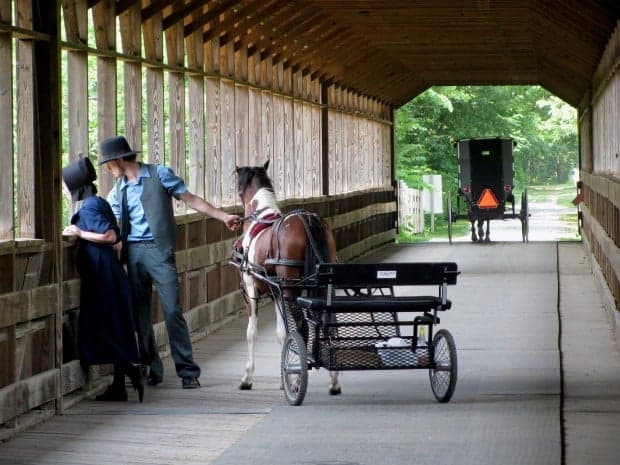
Berlin, Walnut Creek, and Millersburg form the core of Holmes County’s Amish Country, each offering distinct experiences for residents and visitors. Berlin is the commercial hub with clustered shops, bakeries, and family-run attractions that cater to day trips and group outings. Walnut Creek has a quieter village character with specialty craft stores and seasonal events; Millersburg, the county seat, mixes antiques, lodging, and civic sites, making it a convenient base for exploring the region. Each town has small, locally owned restaurants and bed-and-breakfast options, book ahead during peak seasons to secure rooms.
2. Covered-Bridge Drives and Scenic Back Roads
Driving the network of rural roads and covered bridges is one of the best ways to experience Holmes County’s landscape and history. Plan routes that link multiple bridges and small towns so stops at craft shops, diners, and viewpoints are convenient; expect narrow lanes and occasional farm traffic. Treat these drives as slow, deliberate outings, leave time to stop for photos, short hikes, or a visit to a farm market. Use local maps or tourism resources to identify bridges and road conditions before setting out.
3. Honey Run Covered Bridge & Inn Area
The Honey Run Covered Bridge and adjacent inn area are a noted local focal point for scenic walks, photography, and short stays close to trails and farms. This site provides an accessible example of Holmes County’s blend of natural scenery and hospitality; the inn offers a place to stay with immediate access to nearby roads and walking paths. When visiting, respect private property boundaries and posted signs while using public viewpoints and designated parking areas. The area is a good base for combining a relaxed overnight with broader exploration of the county.
4. Local Craft Shops and Furniture Makers
Holmes County is known for woodworking, quilting, and other traditional crafts produced by local artisans and furniture makers, many operating small showrooms or workshops. Visit established shops in Berlin and Walnut Creek and scattered studios along scenic routes to see craftsmanship firsthand and purchase locally made pieces. Many furniture makers accept viewings by appointment and can provide custom work or restoration services; ask about lead times, delivery, and warranties. Buying locally supports the regional economy and preserves traditional skills.
5. Holmes County Historical Sites and County Fairs
Historic sites and the county fair capture local heritage, from agricultural practices to community social life; these venues are central to seasonal civic engagement. The county fair is a major annual gathering showcasing livestock, crafts, contests, and local food, attending supports 4-H programs and community organizations. Historical sites and museums preserve stories of settlement, industry, and daily life; check seasonal hours and special programming for lectures, exhibits, and guided tours. These institutions also provide educational opportunities for schools and civic groups.
6. Specialty Food Producers and Farmers Markets
Specialty producers, cheeses, preserves, baked goods, maple products, and small-scale meat or poultry, are widespread and often sold at weekly farmers markets and roadside stands. Farmers markets in and around the larger villages offer the freshest seasonal produce and artisan foodstuffs, while specialty producers may sell year-round through local shops or by appointment. Buying directly from producers supports food traceability and small-scale agriculture; inquire about production methods, storage, and best-by dates. Markets are also social hubs where residents can learn about seasonal availability and local recipes.
7. Nature Spots and Trails for Winter Walks
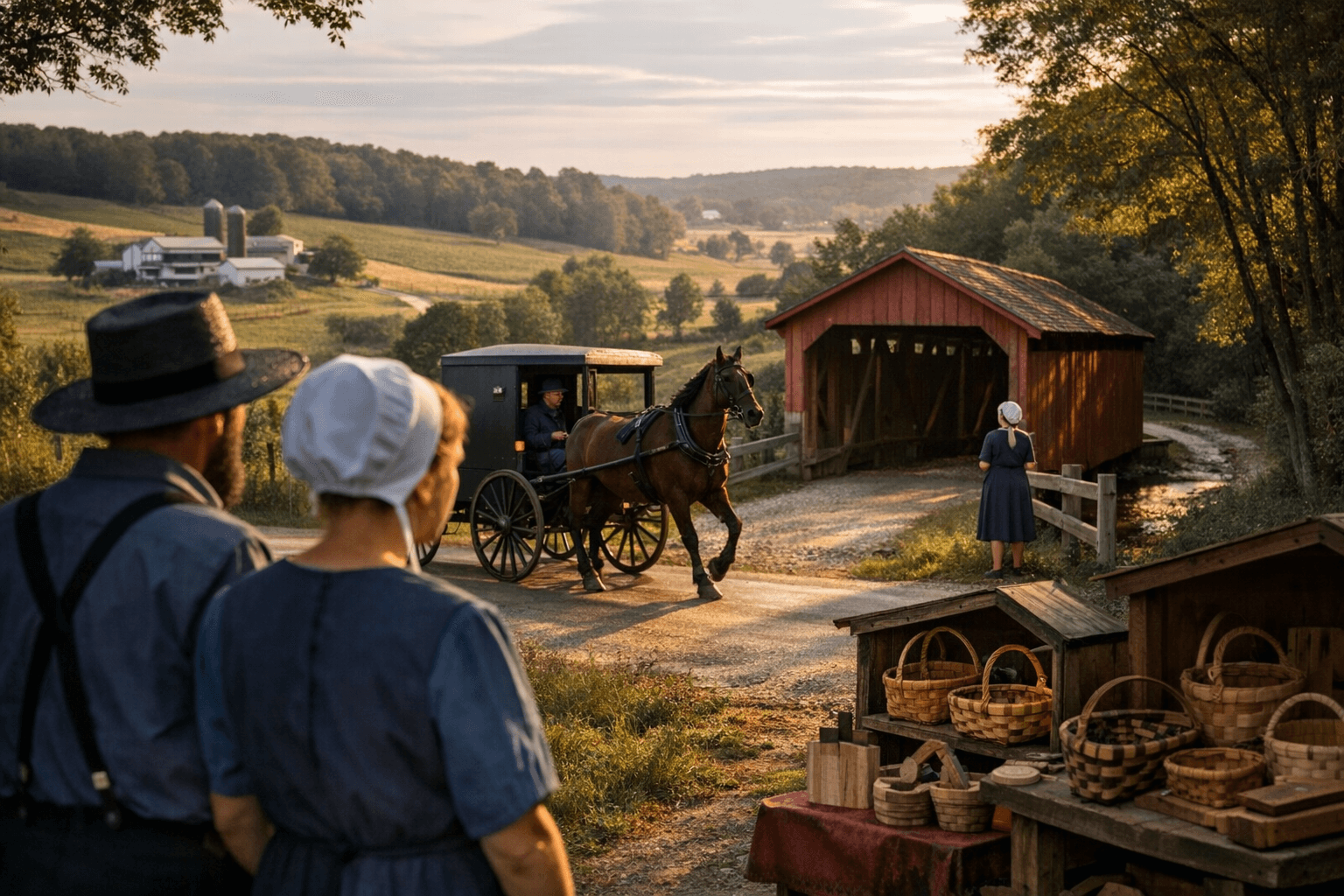
Holmes County’s parks, river corridors, and short trail systems remain accessible in winter for low-impact walks and birding; dress in layers and prepare for shorter daylight hours. Choose trails that are well-marked and maintained, local park websites or county resources will list winter-accessible routes and provide maps. Winter offers quieter landscapes and unique birding or photography opportunities, but check for icy conditions, and avoid remote paths alone if they are not regularly trafficked. Proper footwear, a small emergency kit, and a charged phone increase safety on colder, rural walks.
8. Tips for Visiting Amish Communities Respectfully
Visiting Amish communities requires sensitivity to privacy, religious practices, and local norms to maintain good relations between tourists and residents. Do not photograph people, homes, or farm buildings without explicit permission; many Amish decline photos for religious or personal reasons. Respect private property, do not enter fenced or posted areas, and support businesses where proprietors welcome customers. • Speak softly and observe dress and behavior norms; • Avoid using drones over private land; • Shop at family-run stores and markets to contribute directly to local livelihoods.
9. Dining and Lodging Options for Residents
Dining in Holmes County ranges from family-style diners and bakeries to inns and B&Bs that highlight local ingredients and Mennonite or Pennsylvania Dutch cuisine. For lodging, consider Millersburg and Berlin as hubs with more options, while inns near Honey Run and smaller B&Bs in the countryside offer quieter stays; confirm winter availability and amenities before booking. Local lodging often provides a more personalized experience but can have limited rooms and seasonal closures, reserve early for holidays, fairs, and peak fall tourism. When choosing dining and lodging, ask about accessibility, parking, and pet policies if relevant.
10. Winter Safety and Seasonal Business Hours
Winter changes the pace and accessibility of Holmes County, roads can be slower and services more limited, so plan trips with flexibility and safety in mind. Drive cautiously on rural roads, allow extra travel time, and be prepared for icy patches, reduced visibility, or farm vehicles; keep a winter emergency kit in your vehicle. Check hours for seasonal businesses and artisans before traveling, as many local shops and markets reduce hours or close for the winter; call ahead or consult updated online listings. Keeping these precautions in mind preserves safety and ensures a productive visit.
This article was produced by Prism’s automated news system from verified source data, official records, and press releases, then run through automated quality and moderation checks before publishing. The system is built and supervised by the people who set the standards it runs under. Read our full AI policy.
Did this article answer your question?