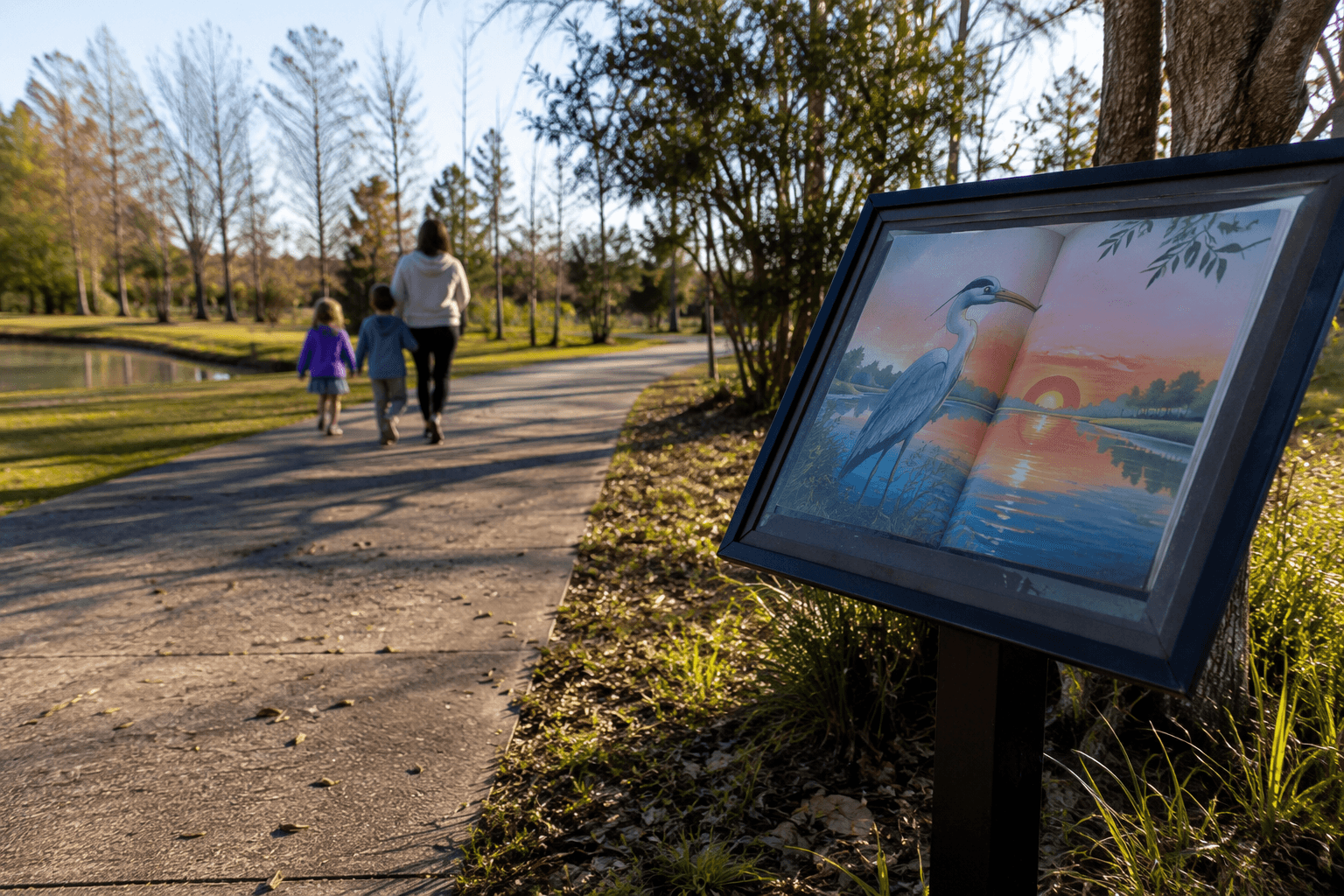
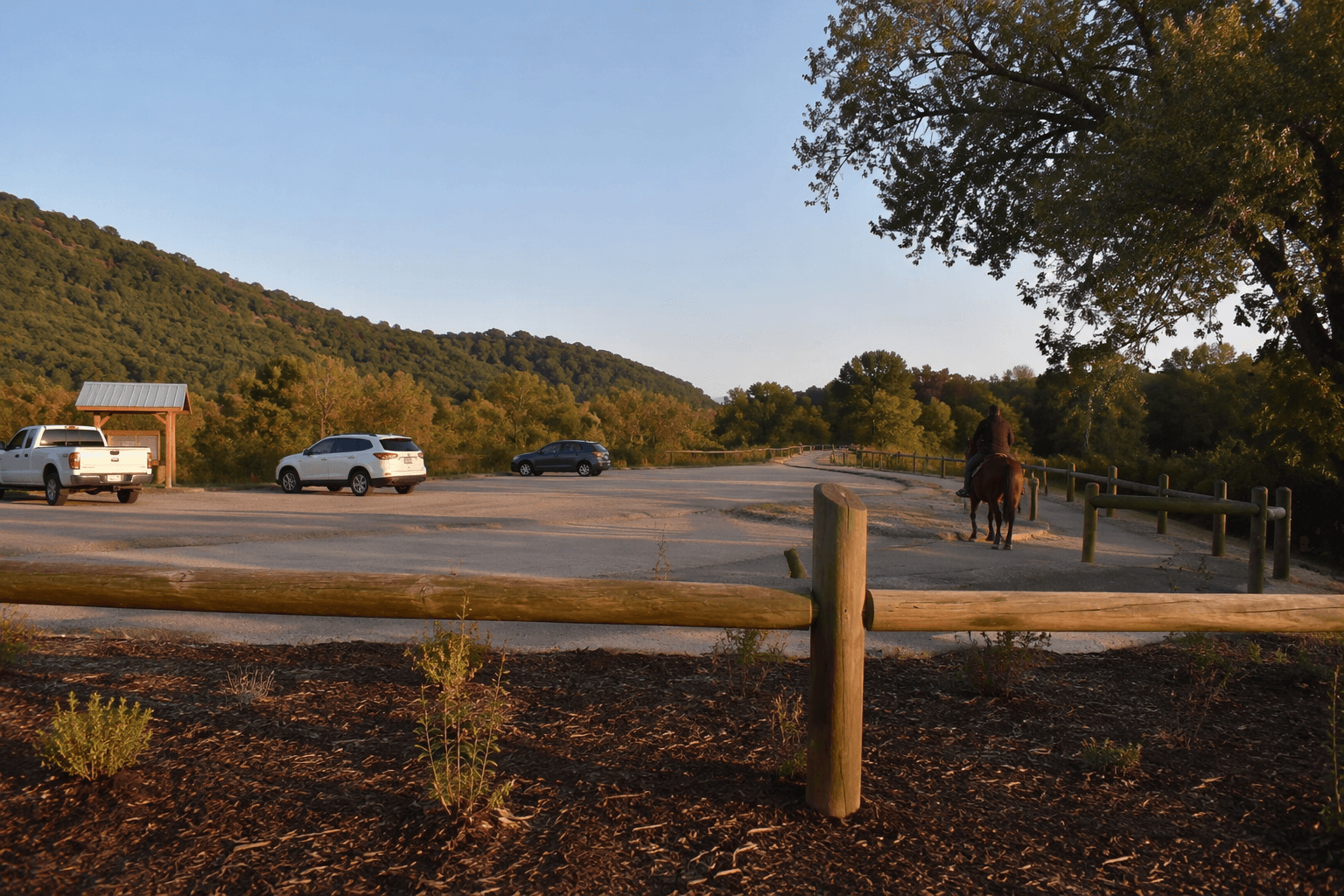
Holmes County wetlands connect bird migration, hunting and habitat preservation
Western Holmes County’s wetlands hold Ohio’s biggest inland marsh complex, where wood ducks, warblers and oak barrens still shape hunting, access and land use.
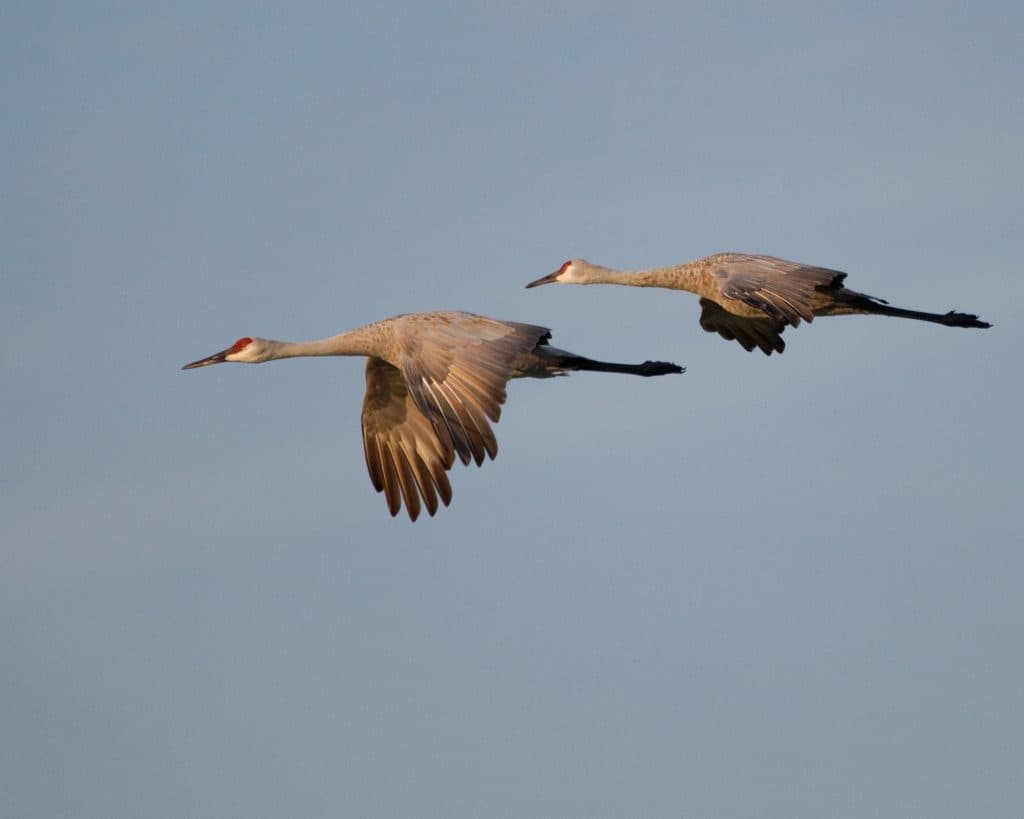
Lower Killbuck Creek Wildlife Area, west of Killbuck, is only 161 acres, yet it sits inside the largest complex of wetlands left in Ohio away from Lake Erie, a landscape that still supports hunters, migrating birds and a rural land base under pressure from development.
Lower Killbuck Creek: a small public tract with outsized reach
Lower Killbuck Creek Wildlife Area began taking shape in 2000, and more land is added when money is available from willing sellers. That slow, piecemeal approach reflects the way conservation works in the Killbuck Creek Valley, where wetlands spread across Wayne, Holmes and Coshocton counties rather than sitting neatly inside one boundary.
Waterfowl hunting is especially popular there, wood ducks are the most common bird, and mallards show up in good numbers. Killbuck Creek and the deeper old channels also hold fishing for northern pike, carp, suckers and bullheads, while beavers, river otters, bald eagles and trumpeter swans have all been documented on the property.
More than 90 percent of Ohio’s original wetlands have been lost, according to ODNR, making the Killbuck Creek Valley one of the state’s most important inland holdouts. The flat wetland topography also gives the valley room to hold water, a trait that becomes more important when heavy rain and runoff test rural roads, fields and culverts.
What lives there is the point
The wildlife area is managed for wetland wildlife and public recreation. Wood ducks, mallards, Canada geese, muskrat, raccoon, beaver, river otter, bald eagle and trumpeter swan all belong to the area’s profile, and the site serves nesting birds as well as migrants moving through the valley.
Each wet patch, old channel or marsh edge can stay part of a connected habitat corridor or get broken up by drainage and construction. The adjacent private wetlands are part of the same system, so the health of the public tract depends on what happens next door. If those private pieces stay intact, they help keep waterfowl cover, feeding areas and migration stopovers connected; if they are lost, the public acreage becomes a smaller island in a fragmented landscape.
Mohler Wildlife Area adds the spring bird migration piece
Not far away, Mohler Wildlife Area shows another side of western Holmes County’s conservation story. The 46-acre parcel was deeded to ODNR from the estate of Charles W. Mohler in 1997, and it is managed in cooperation with local farmers through crop rotations that help maintain the ground while keeping it in use.
Unlike the marshier lower valley, Mohler is known for spring migration, especially songbirds and warblers. Where Lower Killbuck Creek supports hunting and marsh wildlife, Mohler keeps a different set of birds moving through woods, brush and working fields.
The Ohio Division of Wildlife manages or helps manage more than 750,000 acres statewide; it traces its roots to the Ohio Fish Commission in 1873 and became part of ODNR in 1949.
Land trust work keeps farms and open space in the picture
The Killbuck Watershed Land Trust has been part of the county’s land conversation since it was incorporated in 2000 as a 501(c)(3). Its work stretches across Wayne, Holmes, Ashland, Richland, Coshocton and Tuscarawas counties, and its core tool is the conservation easement, a legal agreement that keeps land in private hands while limiting development pressure.
Subdivision and development can drive up real-estate and tax values in ways that make farms harder to sustain, especially when families are trying to keep land in production over generations. In Holmes County, where agriculture and open space remain central to the landscape, easements can mean the difference between a farm staying together and a property being broken into smaller lots.
A rural land base still supports hunting, bird habitat, groundwater recharge and working farms at the same time.
Brinkhaven Oak Barrens protects a rare piece of Ohio’s natural history
Brinkhaven Oak Barrens State Nature Preserve, a 114-acre tract, protects one of the best remaining examples of oak barrens in Ohio. It was dedicated as the state’s 138th nature preserve in 2019, and access is by permit only, issued by the Killbuck Watershed Land Trust.
The preserve contains mixed oak woodland and two prairie savannah openings, a combination that supports species rare enough to attract state botanists. Since 1999, botanists have documented 14 rare plants there, including the state-threatened thyme-leaved pinweed.
The county also holds dry, specialized habitat that can vanish quickly if brushland, savannah openings and oak systems are converted to other uses.
New restoration money is turning protection into access
In 2024, the Killbuck Watershed Land Trust received a $1.17 million H2Ohio wetland grant for Crane Swamp in Killbuck. A 2025 H2Ohio project list also includes a $969,975 Lower Killbuck Creek Riparian Wetland Restoration at Bowfin Bottom for the trust.
In 2025, Crane Swamp and Bowfin Bottoms were part of 260 acres of new nature-trail and wetland-access opportunities near Killbuck, with shorter birding and loop trails at Turtle Pond and Quarry Bluff. That investment expands who can see the landscape and how they can use it, while also restoring habitat and improving water quality in the same corridor.
This article was produced by Prism’s automated news system from verified source data, official records, and press releases, then run through automated quality and moderation checks before publishing. The system is built and supervised by the people who set the standards it runs under. Read our full AI policy.
Did this article answer your question?