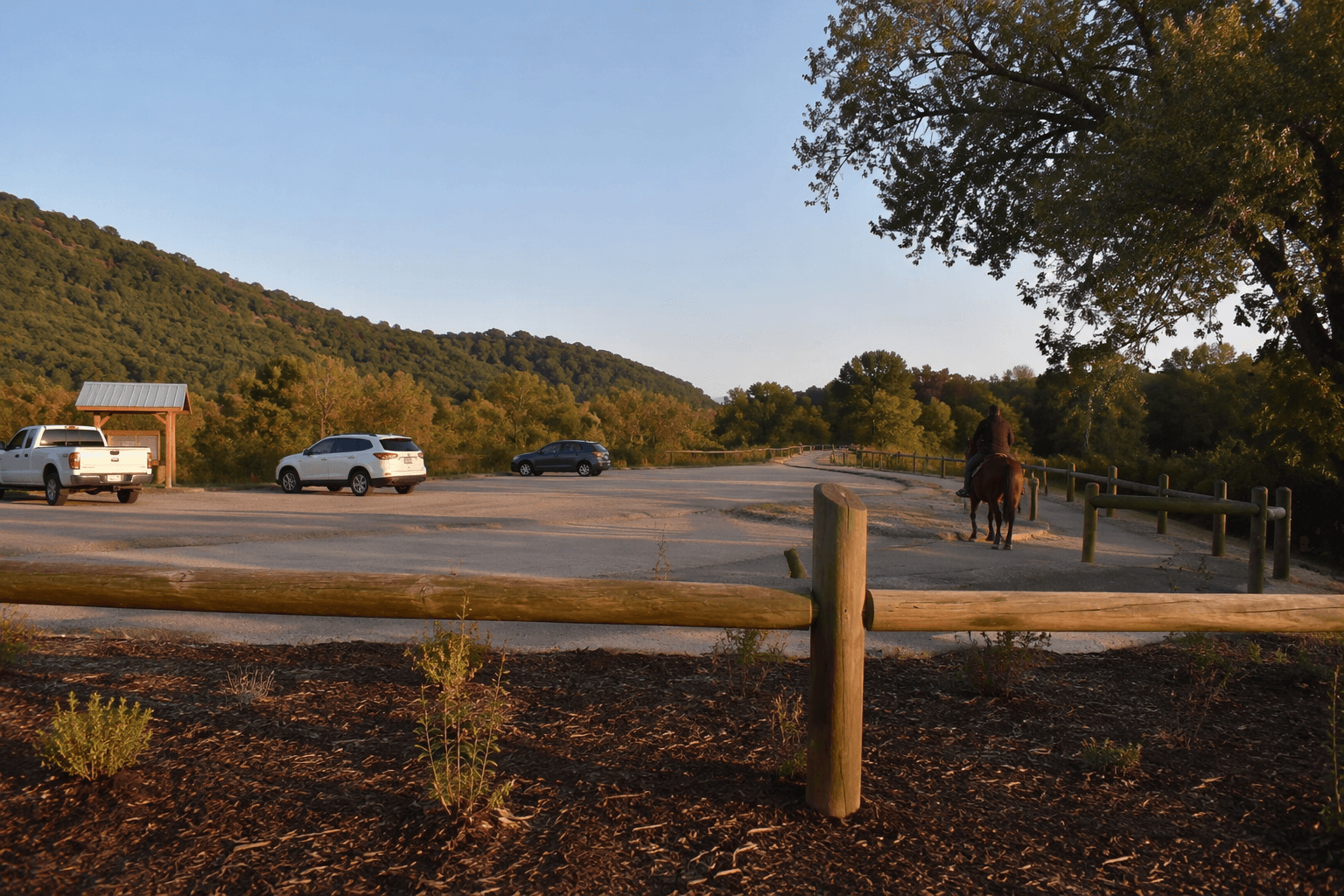
Killbuck blends small-town pride, festival tradition and local history
Killbuck packs a museum, softball park and Labor Day festival into a compact Route 62 stop. Its 810 residents keep a distinct identity rooted in history and homecoming.

Killbuck is small enough to take in on a single stop, but it has enough defined places and traditions to make that stop feel complete. Set along State Route 62, the village pairs a local museum, a park with first-class softball facilities, and a Labor Day weekend festival that doubles as a homecoming. For a short, low-cost outing in Holmes County, that combination turns Killbuck into more than a dot on the map.
A village with a clear identity
Killbuck was established in 1874 and takes its name from Lenape chief Bemino, also known as John Killbuck Sr. The 2020 census counted 810 residents, which helps explain why the village’s public life carries such visible weight: in a place this compact, the park, the museum, and the festival are not separate attractions so much as part of the same civic identity.
That identity is practical as well as historical. The village describes itself as a quiet but independent community, and its calendar reflects that balance. The annual Killbuck Early American Days Festival brings residents and visitors together on Labor Day weekend, and the village says it also serves as a homecoming that reunites family and friends each year. In a county better known for larger draws, Killbuck’s appeal comes from how little planning it takes to experience it.
The museum stop that gives the village its depth
The most concentrated heritage stop is the Killbuck Valley Historical Society and Museum at 145 W. Front St. The collection is broad for a village of this size, and that breadth is what makes it worth the detour. Visitors can see rocks and minerals, Indian artifacts, an archaeological room, mastodon dig materials, medical supplies, and military memorabilia in one place.
The museum’s display mix reaches across the whole local landscape. The archaeological material connects to mastodon digs associated with Dr. Nigel Brush, while the old-time medical supplies are tied to former local Dr. Roth. That means the museum does more than preserve a few relics from one era; it links the valley’s natural history, Indigenous history, medical past, and veterans’ memory into a single visit.
Rotating displays add another reason to check it more than once. Visit Amish Country describes the museum as a place that helps visitors discover the natural wonders of Holmes County, and the changing exhibits keep the stop from feeling static. For a one-hour or afternoon outing, that matters: the museum gives you enough to see without asking for a full-day commitment.
What to look for inside
A first visit can move through the collection in a straightforward way: 1. Start with the natural-history pieces, including rocks, minerals, and the mastodon material. 2. Move to the Indian artifacts and archaeological room to see how early human history is presented locally. 3. Finish with the medical supplies and war memorabilia, which place the valley’s everyday life and service history into the same frame.
That sequence gives the stop a useful shape, especially for families or visitors who want one site that covers several chapters of local history without needing multiple admissions or long travel between attractions.
The park and festival keep the village active
Killbuck’s park adds a different kind of value. The village highlights its first-class softball facilities, making the park one of the clearest places to spend time outdoors without leaving town. That gives the village a resident-facing amenity that also works for travelers looking for a simple break from the road.
The annual Killbuck Early American Days Festival is the other major draw, and its timing on Labor Day weekend makes it easy to fold into a holiday itinerary. Because the village frames it as both a festival and a homecoming, the event serves two audiences at once: people who live nearby and people who have roots in the community but no longer live there. That dual role helps explain why the festival has such staying power in village life.
Council records show the festival was already being discussed in July 2021 for that year’s Sept. 4-5 celebration, which underscores how firmly it sits in the village’s planning cycle. The event is not a one-off novelty; it is part of how Killbuck marks the end of summer and keeps its civic calendar organized.
Why Killbuck feels different from larger Holmes County destinations
Holmes County has better-known destinations, but Killbuck offers a different experience: smaller, quieter, and easier to absorb in one stop. The Holmes County Historical Society’s historical gallery shows how the county developed around mills, stores, blacksmith shops, railroads, and early industry. Its town histories note that Benton became the county’s first real commercial town, Berlin grew into the oldest existing village and later a major business center, and rail and improved roads helped shape where commerce concentrated.
That countywide pattern helps explain Killbuck’s place in the landscape. It is not trying to be a major shopping center or a sprawling attraction district. Instead, it gives readers a compact version of Holmes County life, where local history, recreation, and community events still sit close together. In that way, the village works as a short practical stop for people already traveling Route 62 and as a reminder that county identity is built just as much in small places as in the best-known ones.
The Holmes County Historical Society also says it maintains the county’s most comprehensive historical research collection and histories of all 24 towns. That broader archive makes Killbuck easier to place within the county story, but the village stands on its own because it has preserved enough distinct assets to fill a brief visit without feeling thin.
Local government and civic footing
Killbuck’s public life is rooted in a functioning village government, not just heritage branding. The main office is at 138 S. Main Street, and the village lists Mayor Rick Allison and Fiscal Officer Linda Campbell among its officials. Council members Lisa Kauffman, Tyler McCombs, Cindy Miller, Erica Ash, Ted Thorpe, and Dick Patterson are also named, along with BPA members Troy Majzer, Darryl Miller, and Abbie Allison.
That matters because it shows a village that is still managing its own affairs while preserving its identity. Routine utility and street department operations, along with a 2025 drinking water consumer confidence report, point to the ordinary services that keep a small community running. For visitors, that means Killbuck is not only a place to learn history or catch a festival weekend; it is also an active local center with the practical infrastructure that makes those traditions possible.
Killbuck’s appeal comes from that mix of scale and substance. A museum at 145 W. Front St., a park with softball facilities, a homecoming-style Labor Day festival, and a main office on S. Main Street are enough to fill a real visit, not just a drive-through glance. In Holmes County, that makes Killbuck a stop with both convenience and character.
This article was produced by Prism’s automated news system from verified source data, official records, and press releases, then run through automated quality and moderation checks before publishing. The system is built and supervised by the people who set the standards it runs under. Read our full AI policy.
Did this article answer your question?