ODOT studies buggy traffic damage on Holmes County roads
Heavy buggy traffic is rutting Holmes County asphalt, and ODOT’s study could reshape pavement design, maintenance timing and repair spending in the county’s busiest corridors.
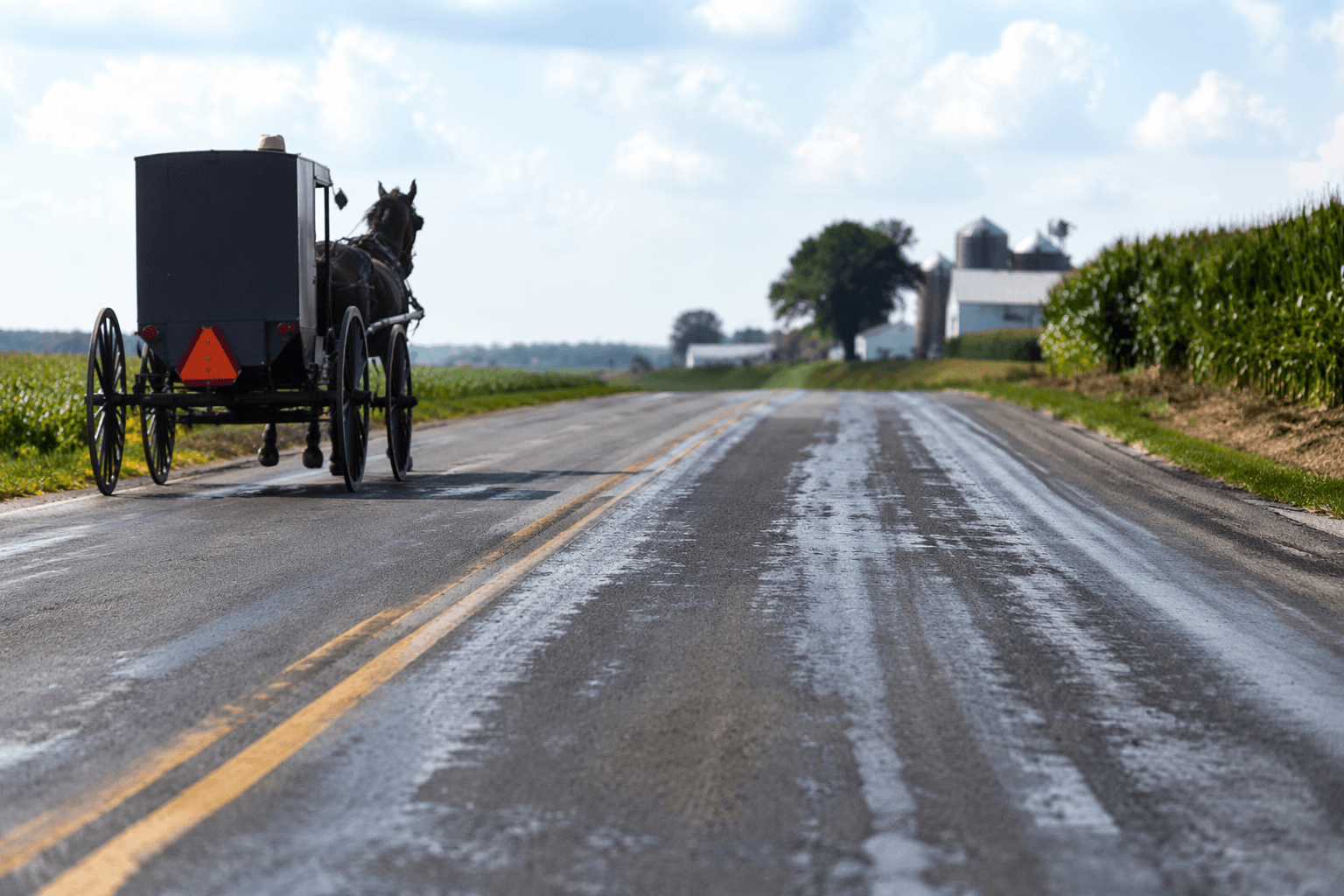
ODOT is funding studies on how heavy buggy traffic is wearing down asphalt in Holmes County, where Ohio’s largest Amish population shares roads with cars, semitrailers and trucks. The damage shows up as rutting and groove wear, and similar problems have already been noted in Wayne, Ashland and Trumbull counties.
The work matters because it is not just a safety question, but a pavement-cost question. If buggy traffic is pushing certain roads to wear out faster, ODOT’s findings could influence how those corridors are built, how often they are resurfaced and what kinds of repairs get priority in Holmes County’s busiest buggy routes. ODOT has also been working with Amish communities, local officials and law enforcement agencies on recommendations intended to be safe and cost-effective.
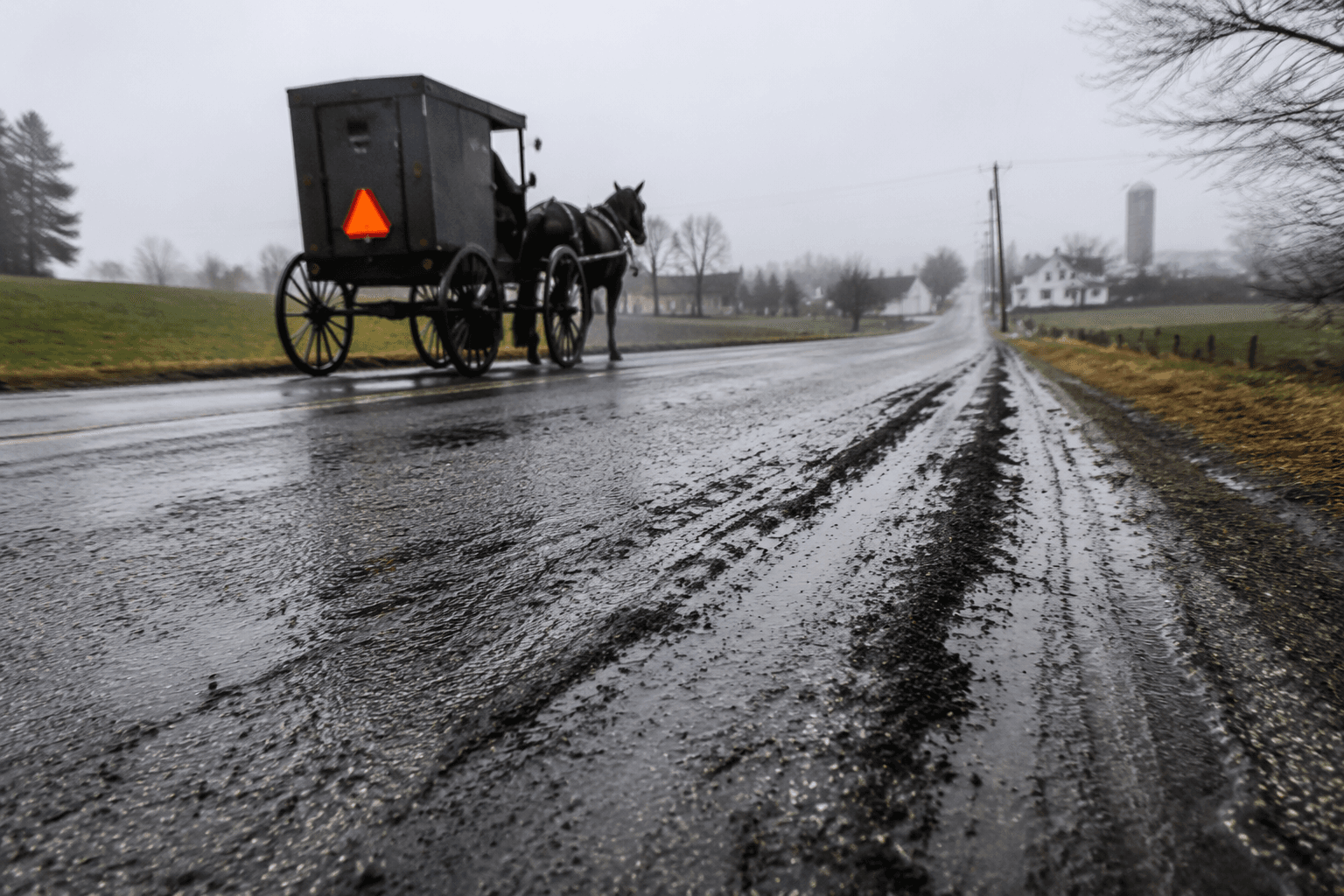
The traffic mix in Amish country is stark. More than 76,000 Amish and Mennonite travelers share Ohio roadways with drivers who often move more than 50 mph, while buggies travel at about 6 mph. In that setting, a 2020 statewide study found that about 65% of collisions involving buggies happened while passing, a number that puts roadway geometry, shoulders and driver behavior at the center of both safety planning and road design.
Ohio’s buggy-light law has also kept the issue active at the state level. A 2022 law requires yellow flashing lights on animal-drawn buggies on public streets, part of a broader push to reduce conflicts between horse-drawn vehicles and faster traffic. For Holmes County, where the roads carry both daily travel and a large share of the state’s Amish transportation, the result is a policy debate that reaches well beyond the county line.
The repair bill is being carried through ODOT’s Animal-Drawn Vehicle Program, which has received a total of $2,039,101.13. Of that, $977,827.27 has been used on projects to repair buggy lanes throughout the state, showing that the cost of keeping Amish-country roads usable is already being paid out through a statewide transportation program.
This article was produced by Prism’s automated news system from verified source data, official records, and press releases, then run through automated quality and moderation checks before publishing. The system is built and supervised by the people who set the standards it runs under. Read our full AI policy.
Did this article answer your question?