Arcata moves to rewrite Gateway rules for housing and growth
Arcata’s Gateway rewrite could loosen parking and density rules, reshape building form near downtown, and decide how much housing the city can actually fit.
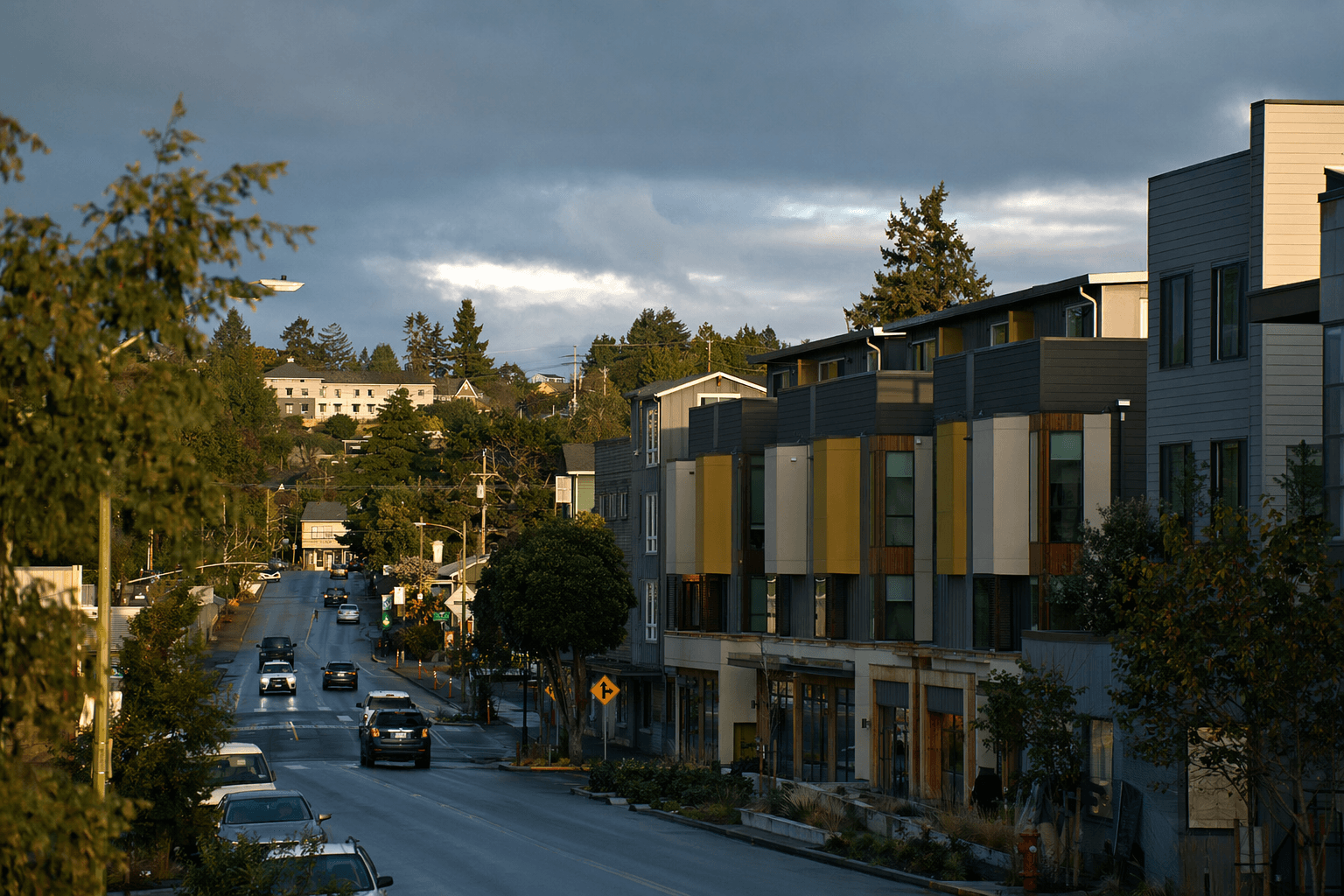
Arcata is rewriting the rulebook for the 139-acre Gateway area near downtown, and the changes could decide whether future projects come with parking lots, sidewalk-facing storefronts, taller apartments, or more modest infill on tight urban parcels. For renters, property owners, and business operators, this is the part of city planning that shows up in everyday life: what gets built, how much of a lot it can use, and whether a project can get financed at all.
What the Gateway area is supposed to do
The Gateway Area Plan was adopted by the Arcata City Council on July 17, 2024, and city staff say the plan and the accompanying Gateway Code are meant to carry out General Plan 2045. The plan area sits adjacent to downtown Arcata, close to jobs, retail, and Cal Poly Humboldt, which is exactly why the city has treated it as one of the most important places to absorb growth without pushing development farther out.
Arcata’s own housing documents make the stakes plain. The city’s 2019-2027 Housing Element, certified by the California Department of Housing and Community Development on January 28, 2020, identified the Gateway area as a required rezone tied to the city’s RHNA housing obligations. In other words, this is not just a local design exercise. It is part of the city’s obligation to show where new homes can go.
What could change on the ground
The clearest shifts are the ones residents will notice block by block. The proposed rules include eliminating parking minimums and maximum-density restrictions, which could make some housing and mixed-use projects easier to build on small or awkwardly shaped sites. In a place like Arcata, where land close to downtown is limited, that kind of change can alter whether a project pencils out.
Other changes point to a very different street experience. The code would ban new billboards on scenic roads, allow sidewalk dining, encourage daylighting creeks and native-plant landscaping, and push new buildings up to the sidewalk instead of hiding them behind parking lots. That is the sort of rule set that can make a corridor feel more walkable and more urban, but it also changes the look and rhythm of familiar streets. The city has already been using the Gateway Code as a form-based code for the area, which means the focus is not just on use, but on how buildings meet the public realm.
The broader zoning rewrite also matters well beyond Gateway. Arcata’s 2025 request for proposals says the update is meant to conform the land use code to General Plan 2045, streamline permitting, allow infill densification, support accessory dwelling units and SB 9 implementation, and create a new form-based code for the Valley West Infill Opportunity Zone. That signals a citywide move toward squeezing more homes and activity into places already served by streets, utilities, and transit, rather than opening new land on the edge of town.
Why housing advocates and neighbors are watching closely
The land-use code is the city’s operating manual for development. Arcata says zoning determines what types of activities are allowed on a parcel, so the rewrite will affect who gets to develop what, and where. For small builders, that can determine whether a duplex, apartment building, café, or mixed-use project is possible. For homeowners, it can influence whether adding an ADU is straightforward or tangled in extra requirements.
The city’s own policy direction is moving in the same direction. Ordinance 1575 updated affordable-housing zoning to reflect state density-bonus law and inclusionary-zoning policy, a sign that Arcata is trying to line up local rules with California housing law as well as its own planning goals. The Gateway rewrite sits inside that broader effort to make room for housing while keeping the city from growing in a scattered, car-dependent way.
How Arcata got here
This round of planning is landing on top of a code system that has been in motion for years. Arcata last comprehensively updated its land use code in 2008, when the city began work on a code intended to replace the older Land Use and Development Guide that had served as the zoning ordinance since the mid-1970s. That means the city is now revisiting a regulatory framework built for a very different Arcata, one that predated the current housing crunch, today’s climate goals, and the pressure to absorb more growth close to the urban core.
The politics around the Gateway area have already been active. In May 2024, the Planning Commission approved a final draft of the plan by a 5-1 vote, with Commissioner Abigail Strickland dissenting and Commissioner Daniel Tangney absent. The final environmental impact report identified unmitigated impacts to historic resources and air quality, and some community members urged the city to slow down so residents and agencies could review the report more closely.
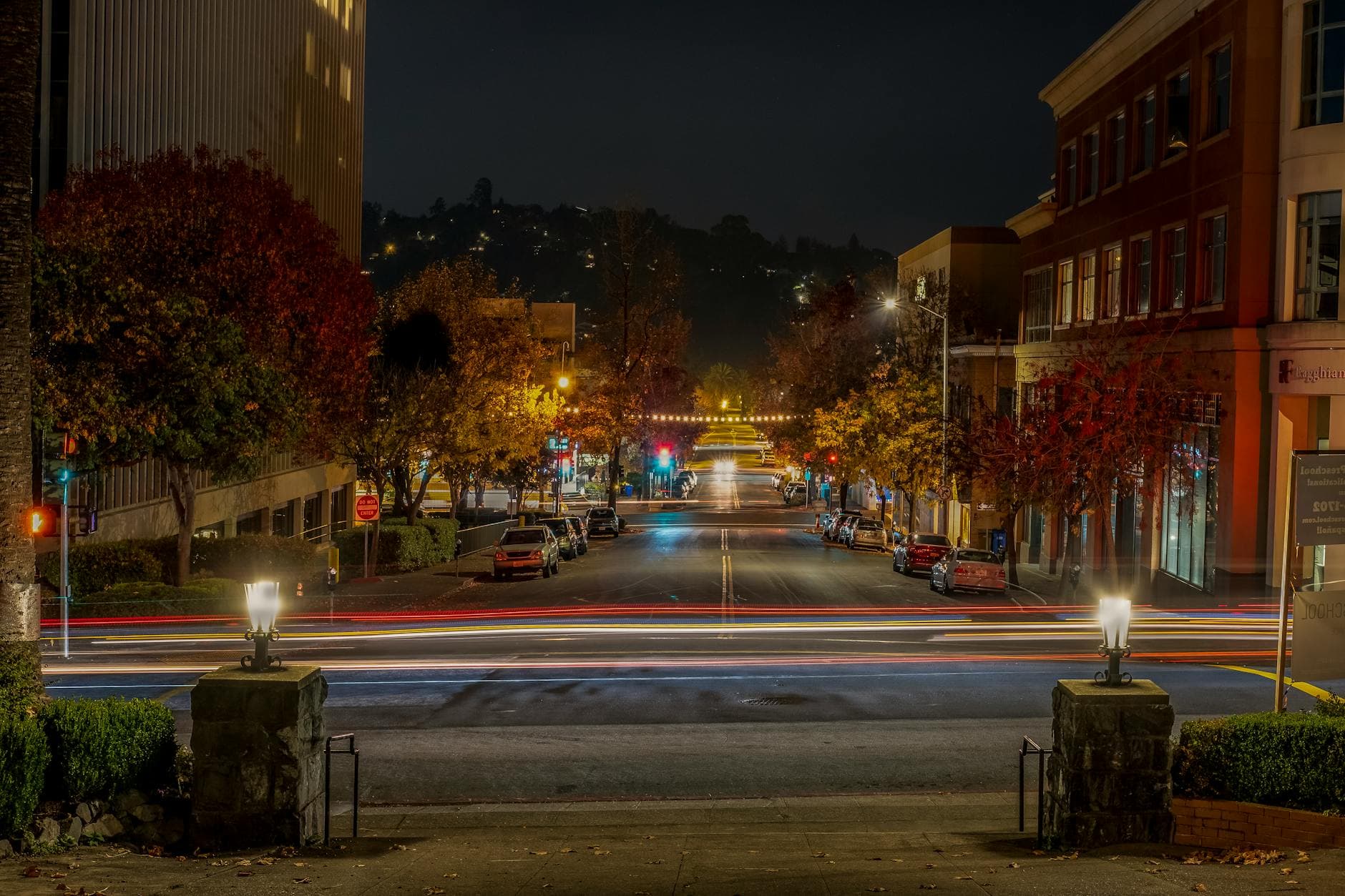
At the City Council level, the debate sharpened around how the new district should fit into the existing neighborhood fabric. Several people supported a linear park along the L Street trail, and the council added language protecting the L Street path and directed that a linear park be developed along it over the next two years. The council also changed the review process so buildings four stories or higher go to the Planning Commission for a public administrative hearing rather than only to the Zoning Administrator. Vice Mayor Alex Stillman and Councilmember Stacy Atkins-Salazar recused themselves from Gateway Area matters because of conflicts of interest, leaving the remaining three councilmembers to handle those items.
What happens next
The Planning Commission recently heard a presentation from Lisa Wise Consulting, Inc., the firm helping the city implement the plan. Nothing final was decided at that meeting, but it marked one of the first concrete steps toward rewriting the code that will actually govern the district on the ground.
The next round of recommendations is expected in a joint session with the City Council next month, and actual adoption is likely to come in early 2027. The process will stay public, and it matters that it does, because the changes are broad enough to reshape Arcata’s housing supply, traffic patterns, neighborhood form, and the feel of its streets for years to come. The 7-member Planning Commission meets on the second and fourth Tuesday of each month at 5:30 p.m., and that is where much of the city’s future built form will continue to be tested in public.
This article was produced by Prism’s automated news system from verified source data, official records, and press releases, then run through automated quality and moderation checks before publishing. The system is built and supervised by the people who set the standards it runs under. Read our full AI policy.
Did this article answer your question?