California Supreme Court upholds death penalty in Eureka vacation murders
The state high court left Cary Anthony Stayner’s death sentence in place, reopening Eureka’s grief over the 1999 murders of Carol Sund, Juli Sund and Silvina Pelosso.
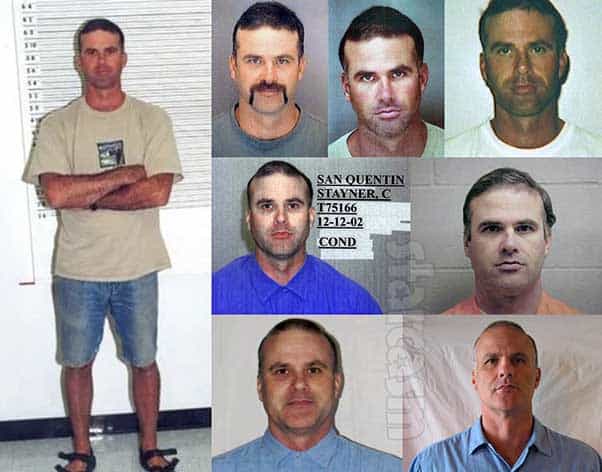
Eureka’s most searing vacation horror is still legally alive. The California Supreme Court upheld Cary Anthony Stayner’s death sentence on April 30, 2026, confirming that the punishment imposed for the murders of Carol Sund, her 15-year-old daughter Juli Sund and their family friend Silvina Pelosso will stand after more than two decades of review.
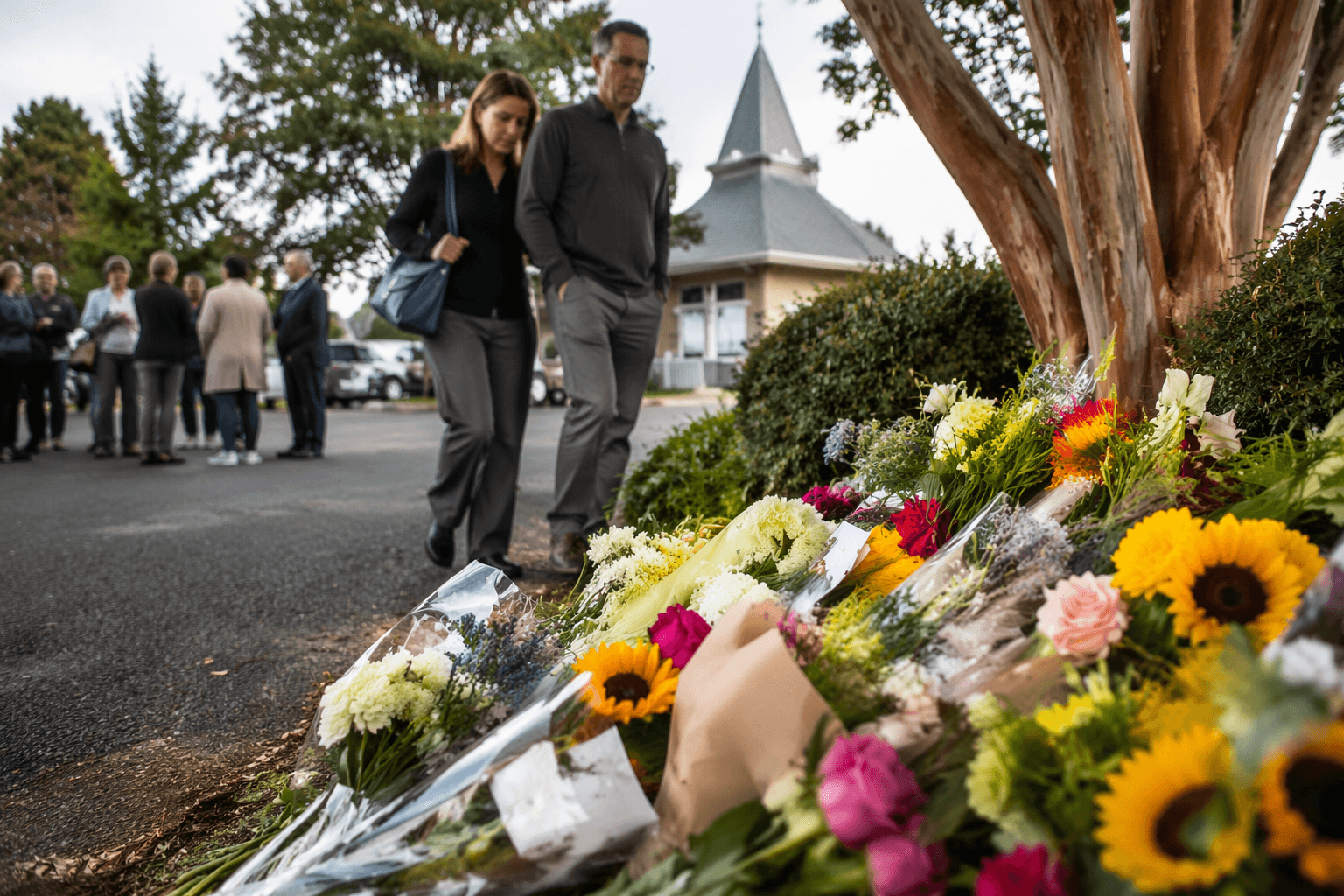
The case remains part of Humboldt County’s collective memory because the three victims were from Eureka and were killed during what should have been a sightseeing trip to Yosemite National Park. Their deaths in February 1999 turned a family vacation into one of the North Coast’s most painful criminal cases, and the state high court’s ruling brought that trauma back into local view by settling the punishment question at the center of the case.
Stayner, now 64, had been sentenced to death by a jury in 2002 for the Sund and Pelosso killings. He separately pleaded guilty in 2001 to the July 1999 murder of Joie Armstrong, a 26-year-old naturalist who was found decapitated in the Yosemite area. The Supreme Court’s published opinion in People v. Stayner upheld both the convictions and the death sentence tied to the February killings.
The justices rejected Stayner’s claims that investigators violated his Miranda rights, used coercive questioning or lacked probable cause. They also turned aside arguments involving jury selection, judicial bias and other alleged trial errors. Chief Justice Patricia Guerrero wrote that the court had “assumed error, but found no prejudice,” signaling that even where the defense identified possible mistakes, the court found no basis to overturn the verdict or sentence.
Justice Kelli M. Evans concurred in the guilt and sanity findings but dissented from the penalty verdict, underscoring that the court was not unanimous on whether death was the right outcome. That split matters in California, where Gov. Gavin Newsom’s 2019 executive order imposed a moratorium on executions even as the state continues to hold the nation’s largest death row.
For Eureka, the ruling does not change the facts of the crime or ease the loss felt by the victims’ community. It does, however, close another chapter in a case that has stretched from the woods above Yosemite to the courthouse system for 24 years, leaving the death sentence intact and the memory of the Sund family and Silvina Pelosso firmly planted in Humboldt County history.
This article was produced by Prism’s automated news system from verified source data, official records, and press releases, then run through automated quality and moderation checks before publishing. The system is built and supervised by the people who set the standards it runs under. Read our full AI policy.
Know something we missed? Have a correction or additional information?
Submit a Tip