Coast Guard airlifts injured hiker, husband from Lost Coast trail
A broken leg on the Lost Coast turned into a helicopter rescue Monday, when the Coast Guard hoisted a hiker and her husband near Cape Mendocino.
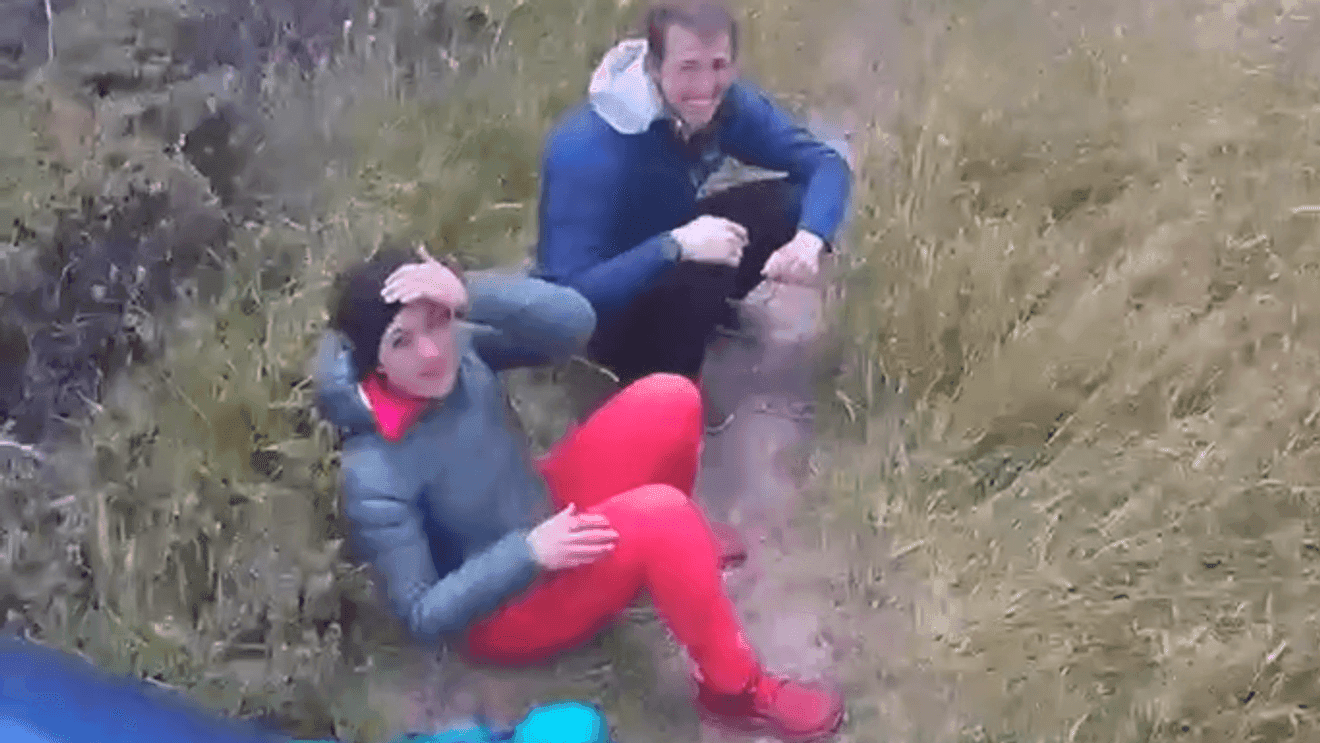
A broken leg on the Lost Coast Trail near Cape Mendocino turned a backcountry hike into a helicopter rescue Monday, when the U.S. Coast Guard hoisted an injured hiker and her husband from the remote shoreline and flew them to St. Joseph Hospital in Eureka.
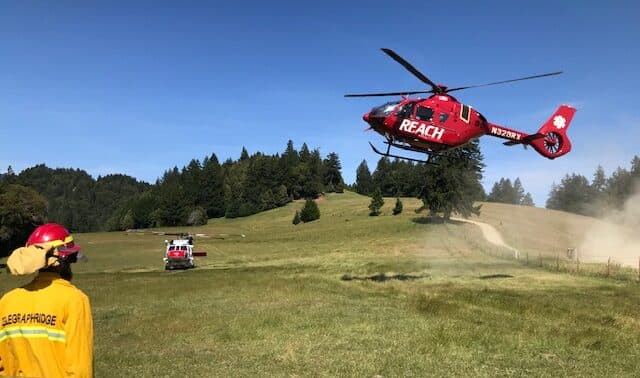
Coast Guard Sector Humboldt Bay received the call for help from Cal Fire around 12:15 p.m. after the hiker reportedly suffered the injury on the trail. An MH-65 Dolphin helicopter from Air Station Humboldt Bay responded into the isolated coastal zone, where trail access is limited and a ground evacuation can be slow, risky or impossible.
The rescue underscored how quickly an injury on the Lost Coast can become a multi-agency operation. The helicopter crew took both the injured hiker and her husband aboard and transported them inland for treatment, a reminder that on this stretch of shoreline, getting to care can matter as much as the injury itself.
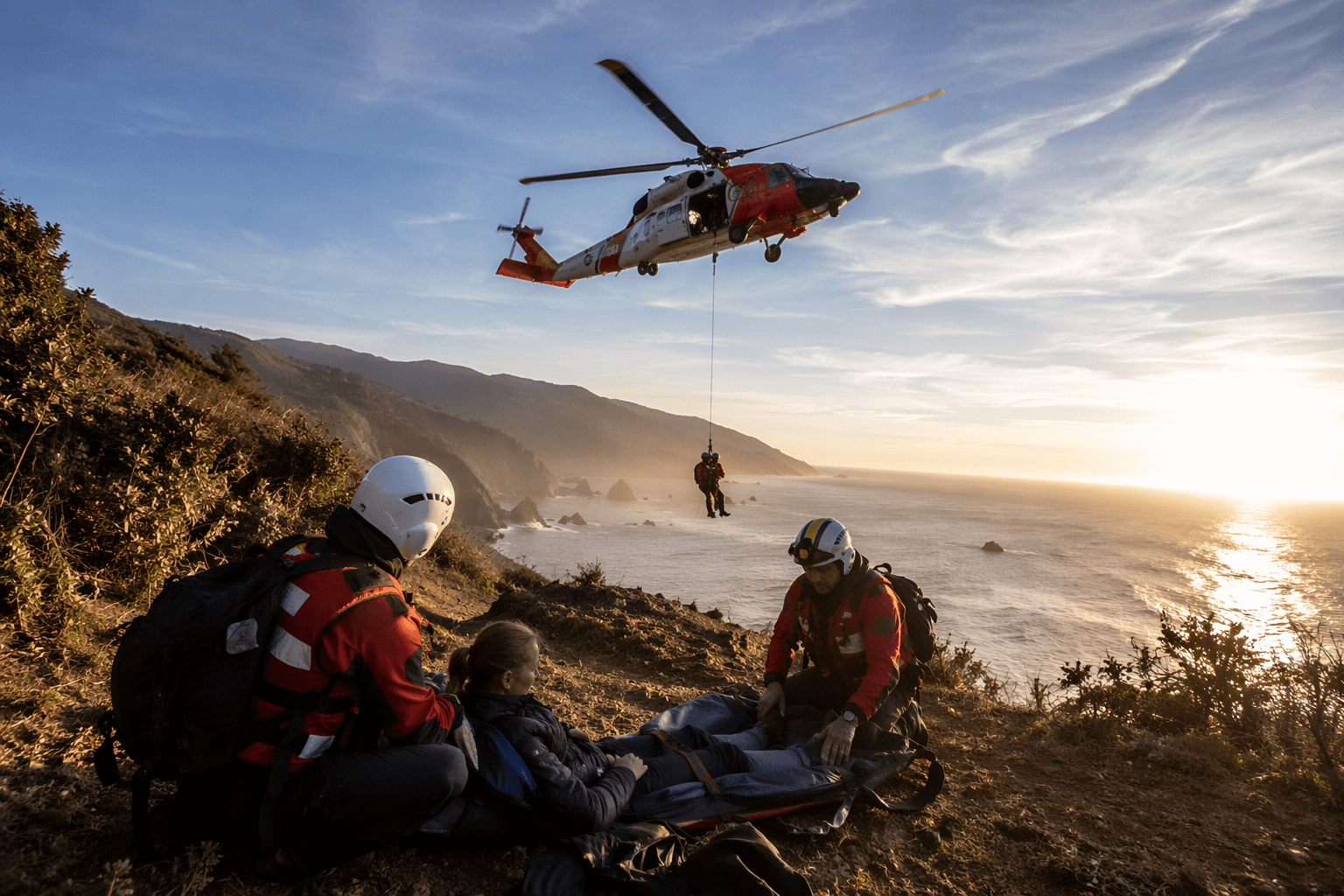
The Lost Coast Trail runs through the Bureau of Land Management’s King Range National Conservation Area, a 68,000-acre span along 35 miles of California’s north coast. The BLM says the range was too rugged for highway building, which is why Highway 1 bends inland instead of tracing the shoreline through the area. The same isolation that draws hikers also complicates rescue: the BLM says the King Range receives an average of 135,000 visits each year and issues about 12,000 wilderness backpacking permits annually.
Hikers heading into the Lost Coast have to plan around tides as well as distance. The BLM says three sections of the trail can become impassable when tide levels rise above 3 feet, and that winter storms and waves can make portions of the route dangerous or impossible to cross even when the tide is not the main problem. Overnight camping also requires a backcountry permit, and the agency says hikers should check tide tables before entering the trail’s impassable zones.
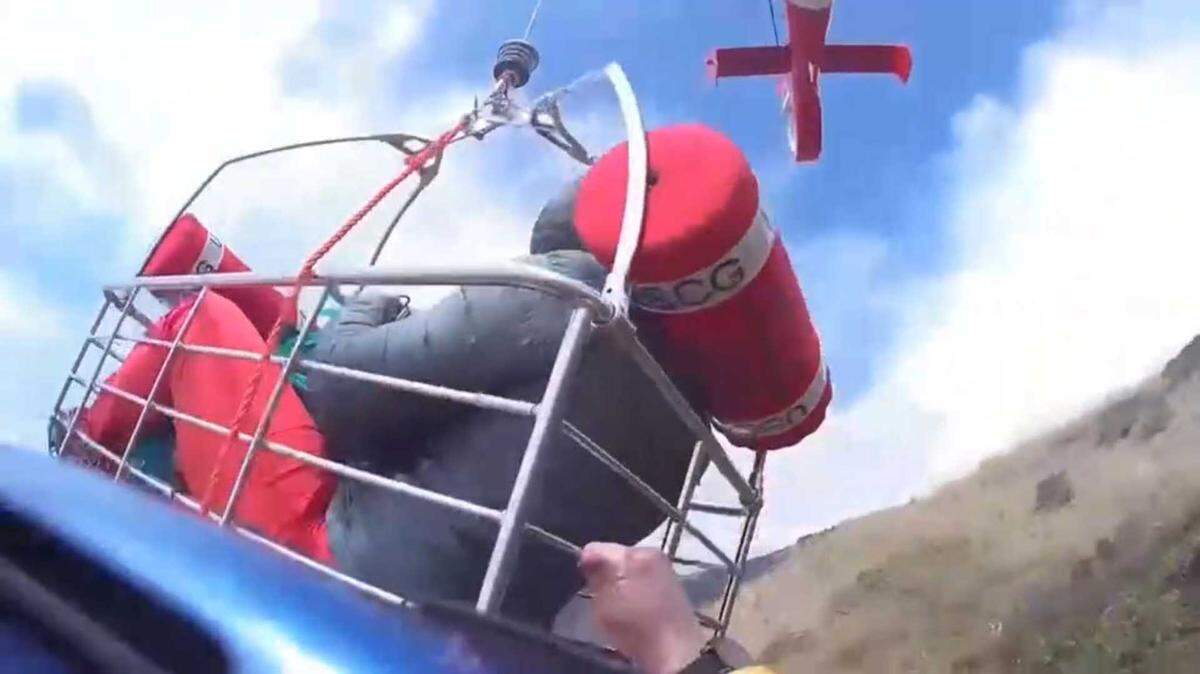
The Coast Guard’s MH-65 Dolphin has been used for difficult missions since 1984, and the service says it has been upgraded for operations that include cliff rescues. The rugged terrain around Humboldt County has made that capability essential before. In March 2025, the Coast Guard worked with Shelter Cove Fire and Cal Fire on a high-angle rescue near Big Flat, and in January 2019 multiple agencies searched for an injured hiker on the Lost Coast Trail.
California State Parks describes nearby Sinkyone Wilderness State Park as rugged, with coastal bluffs, black sand beaches and Roosevelt elk. That same raw landscape is part of the appeal of the Lost Coast, but it also explains why a broken leg there can trigger a rescue measured not by miles, but by helicopters, tides and time.
This article was produced by Prism’s automated news system from verified source data, official records, and press releases, then run through automated quality and moderation checks before publishing. The system is built and supervised by the people who set the standards it runs under. Read our full AI policy.
Know something we missed? Have a correction or additional information?
Submit a Tip