State warns of deadly wild mushroom poisonings as foraging season peaks
A Humboldt forager landed in an out-of-area ICU after eating wild mushrooms, as California logged 50 poisonings, four deaths and four liver transplants since November.
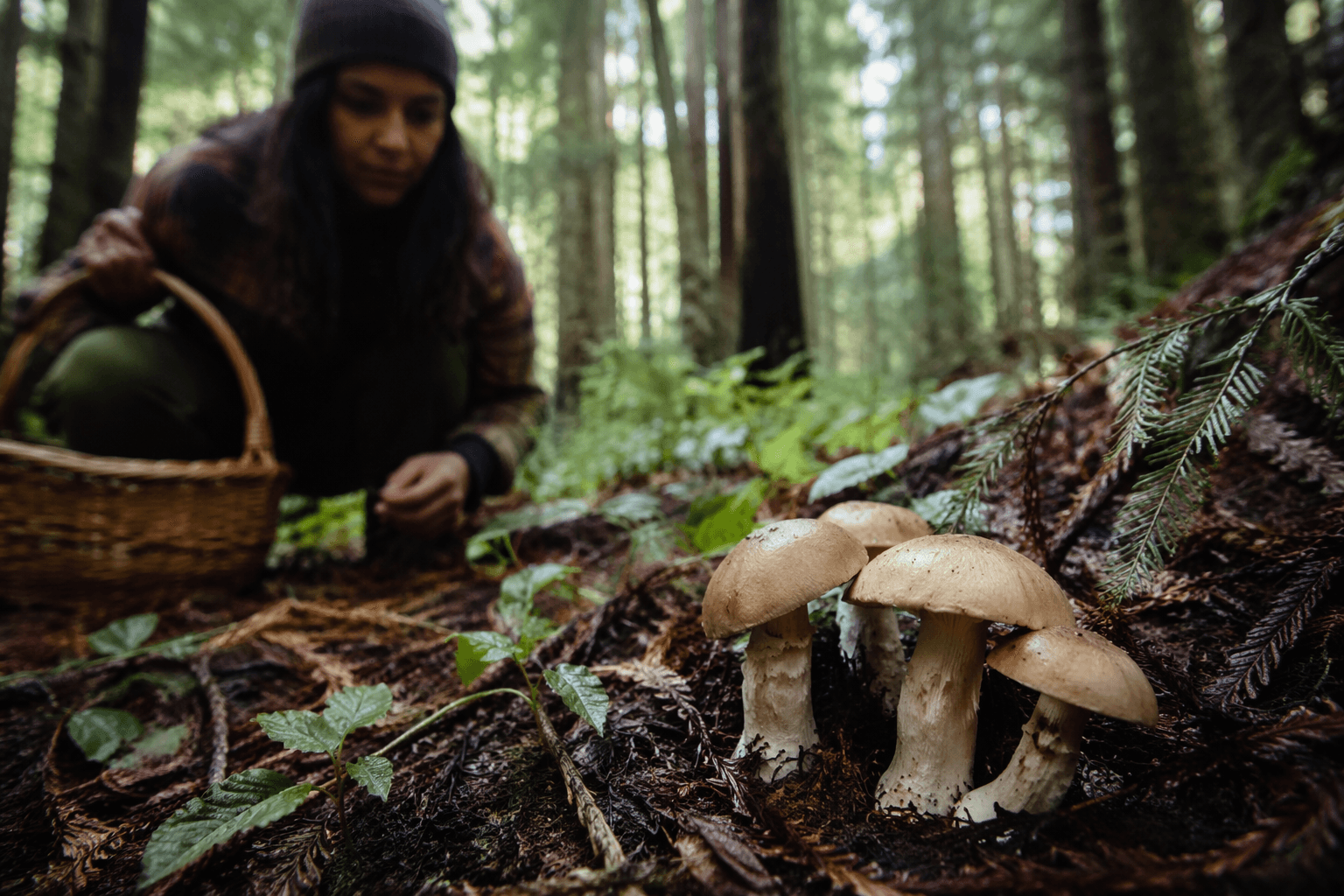
A Humboldt County foraged-mushroom meal sent one local patient to an out-of-area ICU in March, and California health officials now say the same poisonings are piling up statewide as spring mushroom season peaks.
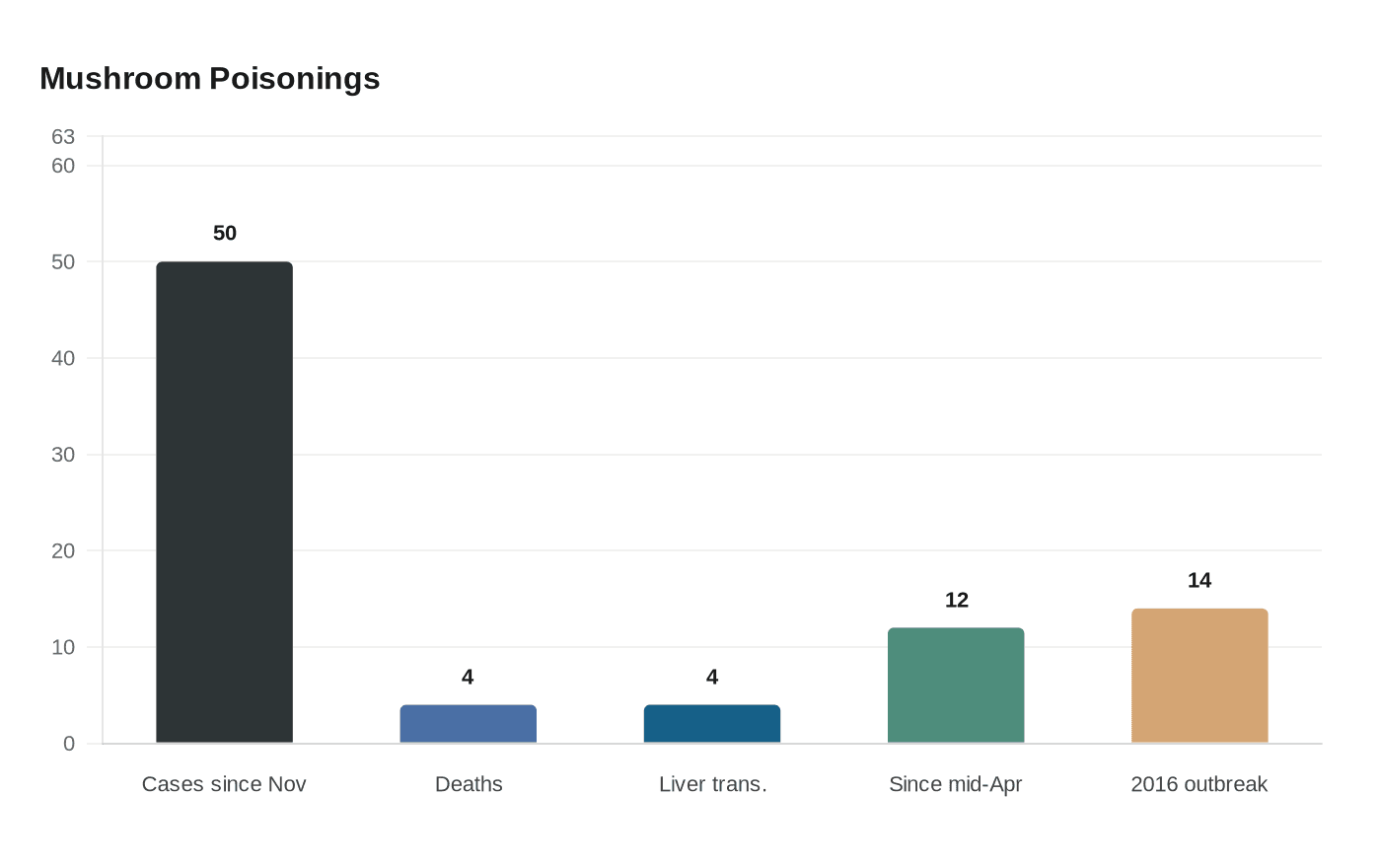
The California Department of Public Health said on May 22 that 50 mushroom-related poisonings had been reported since November 2025, including four deaths and four liver transplants. The state said 12 more cases were reported since mid-April, pushing the outbreak into its seventh month and far beyond California’s typical year, when fewer than five mushroom-poisoning cases are reported. The agency said the previous major California outbreak in 2016 totaled 14 cases.
For Humboldt County, the warning lands in a region where wet weather, forest edges and roadside growth can fill baskets fast. County officials said on March 18 that a local individual was in an out-of-area ICU after eating foraged mushrooms in Humboldt County, and on March 19 the county identified the mushrooms as Western Destroying Angel mushrooms. Officials warned that anyone who ate the same mushrooms could also be at risk.
The danger comes from amatoxin poisoning, which can cause severe liver damage in children and adults. Health officials said symptoms can begin 6 to 24 hours after eating the mushrooms, often with nausea, vomiting and diarrhea that can look like a bad stomach virus and may ease before the liver injury worsens. That delayed pattern is part of what makes the poisoning so dangerous.
CDPH and the California Poison Control System said foragers should not rely on apps or websites to identify wild mushrooms. Death cap mushrooms and Western Destroying Angels can be mistaken for edible varieties, and their toxins are not removed by boiling, cooking or drying. The practical advice is blunt: do not eat a mushroom unless a reliable local expert has positively identified it, and if someone becomes ill after eating foraged mushrooms, get urgent medical help right away.
The risk is not limited to one hillside or one county line. CDPH said the outbreak has spread into Northern California and the Central Coast, including areas where these mushrooms have historically been uncommon, and cases have been reported in Sonoma County, San Luis Obispo County, Monterey County and the San Francisco Bay Area. On the North Coast, where mushroom knowledge is part of the culture and the Humboldt Bay Mycological Society holds identification workshops and open meetings, the season still demands caution. The California Department of Fish and Wildlife says foraging rules vary by state, county and local jurisdiction, and collecting can be restricted in parks, burn scars, erosion-prone lands and other sensitive places.
This article was produced by Prism’s automated news system from verified source data, official records, and press releases, then run through automated quality and moderation checks before publishing. The system is built and supervised by the people who set the standards it runs under. Read our full AI policy.
Know something we missed? Have a correction or additional information?
Submit a Tip