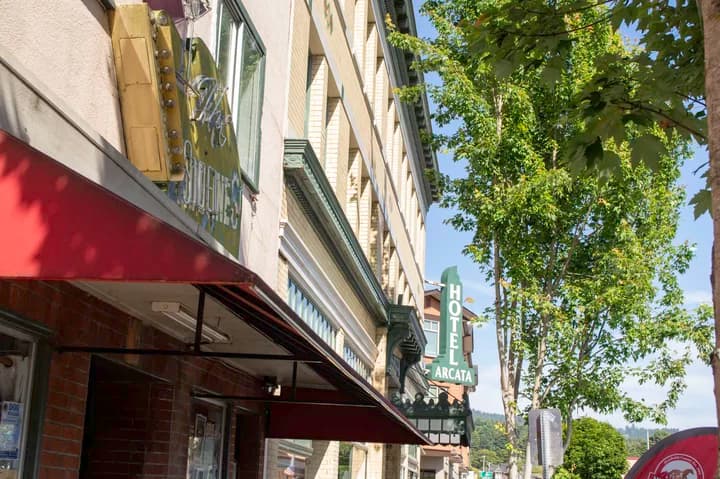
Coastal Commission backs Trinidad Rancheria hotel with fire conditions
Trinidad Rancheria’s hotel cleared a major Coastal Commission hurdle, but only if the tribe proves fire protection and water service can support 100 rooms on the bluff above the Pacific.

A five-story, 100-room hotel planned beside Cher-Ae Heights Casino on the Trinidad Rancheria’s bluff above the Pacific Ocean cleared its strongest regulatory hurdle yet, but the project still depends on whether the tribe can satisfy new fire-protection requirements.
The California Coastal Commission voted unanimously April 16, 2026, to conditionally concur with the project, a decision that could keep a long-discussed tribal development alive on Humboldt County’s north coast. The vote covered a federal consistency determination tied to land in the coastal zone, where the Bureau of Indian Affairs and Coastal Commission review have helped shape the hotel’s path for years.
The hotel has been on the table since at least 2018, when the Trinidad Rancheria Economic Development Corporation filed plans for a 100-room hotel and porte-cochere next to the existing casino. Early materials described a Hyatt Place-style property, and the proposal was framed around construction on already-paved parking lot surfaces. The location, above Cher-Ae Heights and exposed to coastal winds and views, has made water service, emergency access and visual impacts part of the public debate from the start.
This is not the first time the commission has tried to set guardrails around the project. In 2019, commissioners issued a conditional concurrence tied to the tribe establishing an adequate water supply before construction could begin. The tribe later said it had drilled six wells on Rancheria property, and dry-season pump tests cited in prior reporting showed the wells producing 13.5 gallons per minute, above an estimated hotel maximum demand of 9.7 gallons per minute.
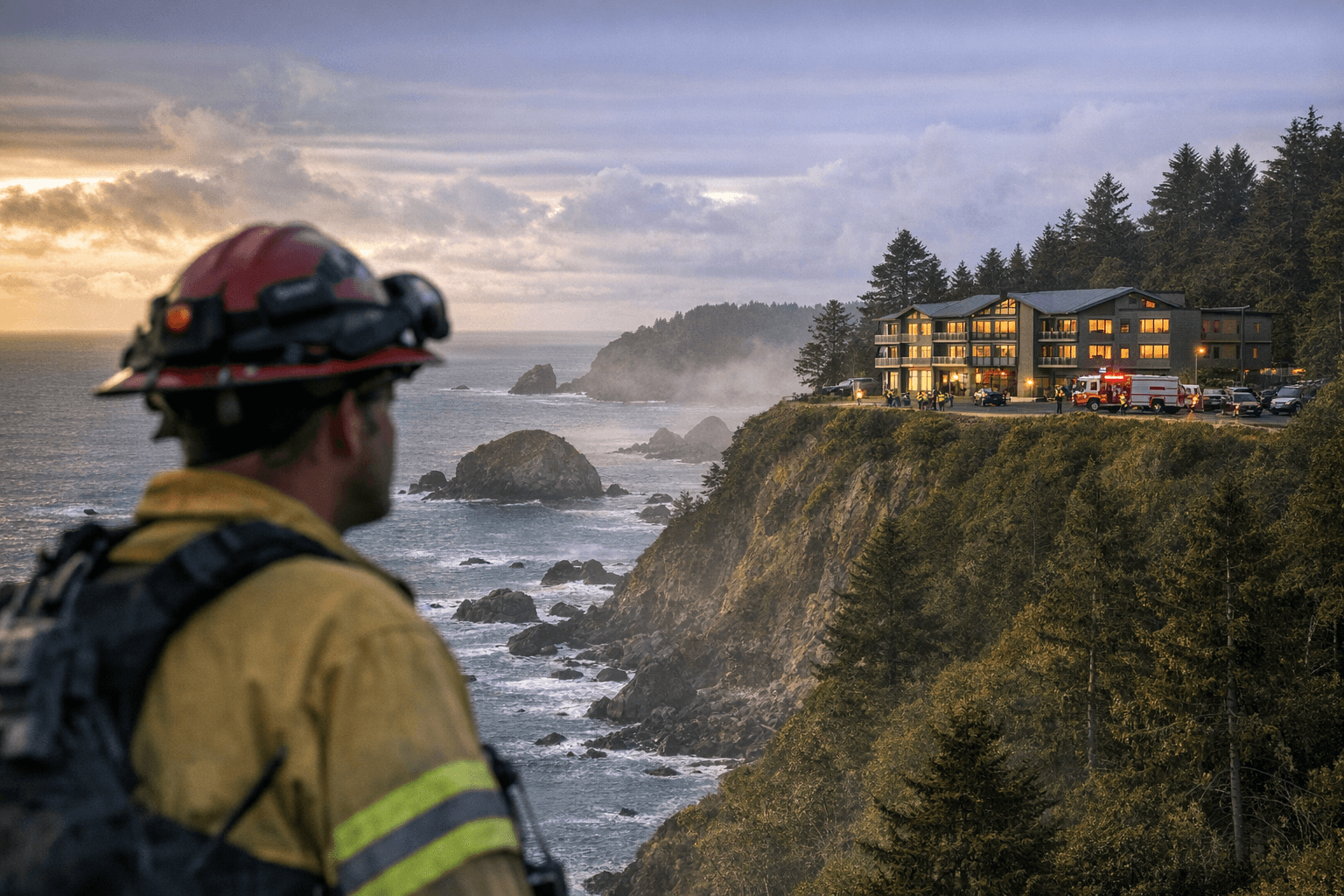
Fire protection became the central issue again after a California state appeals court sent the project back for additional review in late 2024, finding inadequate evidence that the hotel would have sufficient fire services. That legal setback made Wednesday’s vote less a final green light than a narrow path forward, with the commission signaling that the hotel can be found consistent with the Coastal Act only if the new conditions are met.
For Trinidad and the broader north coast economy, the stakes are significant. Supporters see a project that could bring more year-round lodging, tourism spending and tribal economic development to a stretch of coastline where major new investment is rare. Critics have warned about safety, traffic and whether a large hotel fits the coastal bluff setting. The commission’s decision keeps the hotel alive, but the next phase will turn on practical proof that water and fire protection can support a major development in one of Humboldt County’s most sensitive locations.
This article was produced by Prism’s automated news system from verified source data, official records, and press releases, then run through automated quality and moderation checks before publishing. The system is built and supervised by the people who set the standards it runs under. Read our full AI policy.
Did this article answer your question?