Salmon season to reopen, Humboldt fishermen face long haul south
Salmon season is reopening after three closures, but Humboldt boats may have to run hundreds of miles south, turning a comeback into a costly gamble.
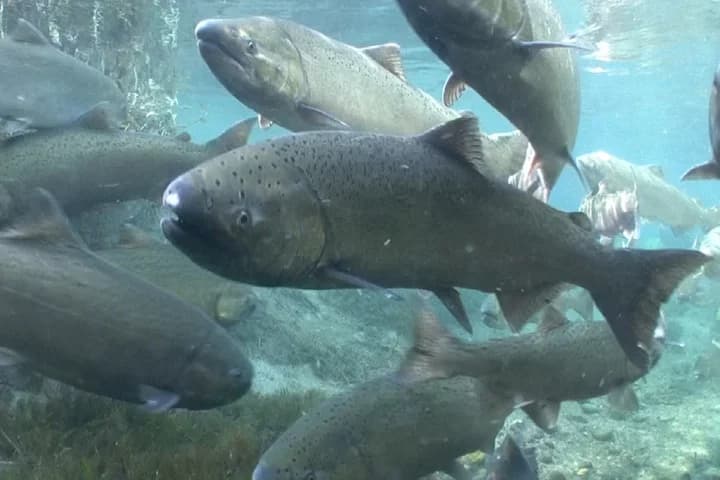
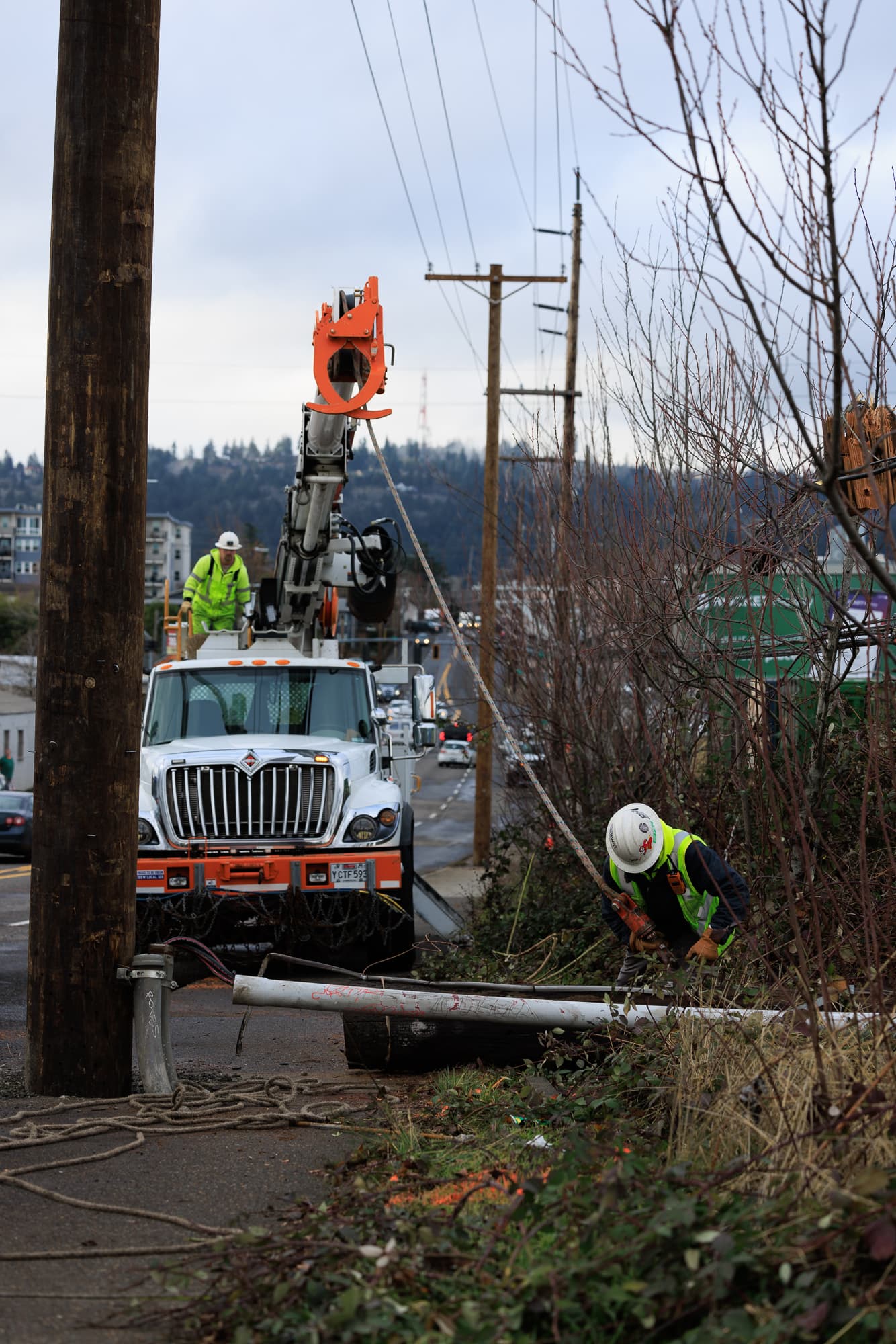
Salmon may be coming back to California’s commercial fleet, but for Humboldt County boats the first question is whether a trip can actually turn a profit. The Pacific Fishery Management Council reopened the 2026 season after three straight years of closure, yet the most familiar North Coast fishing grounds from the Oregon border to Point Arena stayed shut, forcing many Humboldt operators to burn more diesel, spend more time on the water and take on more risk just to reach fish.
That matters because the economics are brutal. Harrison Ibach, president of the Humboldt Fishermen’s Marketing Association, said the extra travel will cost a lot of money and fuel. Eureka sportfishing captain Tim Klassen put hard numbers on that pressure: diesel is running about $7.68 a gallon in California, and his boat gets only about 1.5 miles per gallon. For commercial crews already working on thin margins, the reopening is only valuable if the fish are far enough south, or north enough, to justify the fuel bill.
The council adopted the 2026 West Coast ocean salmon recommendations at its April 7 to 12 meeting in Portland, and federal approval from the National Marine Fisheries Service is expected by May 16. California’s commercial fishery remains closed from the Oregon/California border to Point Arena, the stretch the California Department of Fish and Wildlife identifies as the Klamath Management Zone and Fort Bragg areas. The statewide commercial opening is also tightly capped at 83,000 Chinook salmon, with Pacific Coast Federation of Fishermen’s Associations President George Bradshaw saying the opportunity runs from May through August. Managers can still shut the season early if the quota is reached.
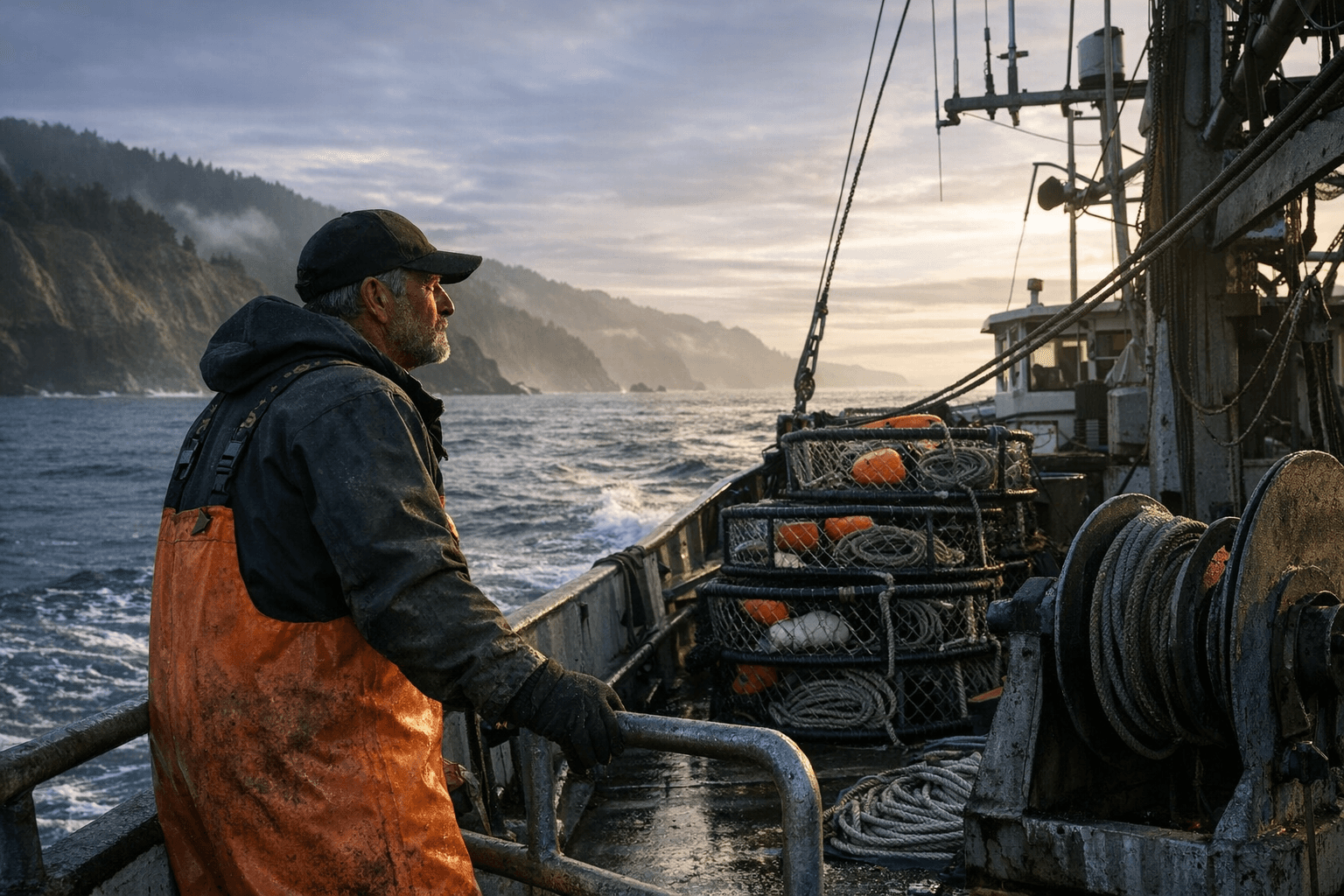
The reopening follows three consecutive years of closure, a blow that hit one of Humboldt’s signature industries. County and California Sea Grant materials describe fisheries as part of the North Coast’s social, economic and cultural fabric, and the commercial salmon fleet feeds more than just boats. Fuel docks, gear suppliers, processors and charter operators all depend on activity tied to the season. When the fishery is open, crew jobs return and harbors get busier. When it is shut, the ripple reaches from the docks to seafood buyers and local restaurants.
The relief is real, but so is the caution. California closed the fishery in 2025 amid low ocean abundance forecasts, low 2024 returns and broader salmon stressors including drought, climate disruption, poor in-river spawning and migration conditions, severe wildfires, harmful algal blooms, ocean forage shifts, habitat impacts and thiamine deficiency. California also had complete salmon closures in 2008 and 2009. In 2023, the fleet from the Central Coast to the Oregon border landed about 300,000 salmon, and the fishery’s economic value was estimated at $460 million in sales and related business. For Humboldt, the reopening offers hope, but the long haul south may decide how much of that value stays on the North Coast.
This article was produced by Prism’s automated news system from verified source data, official records, and press releases, then run through automated quality and moderation checks before publishing. The system is built and supervised by the people who set the standards it runs under. Read our full AI policy.
Did this article answer your question?