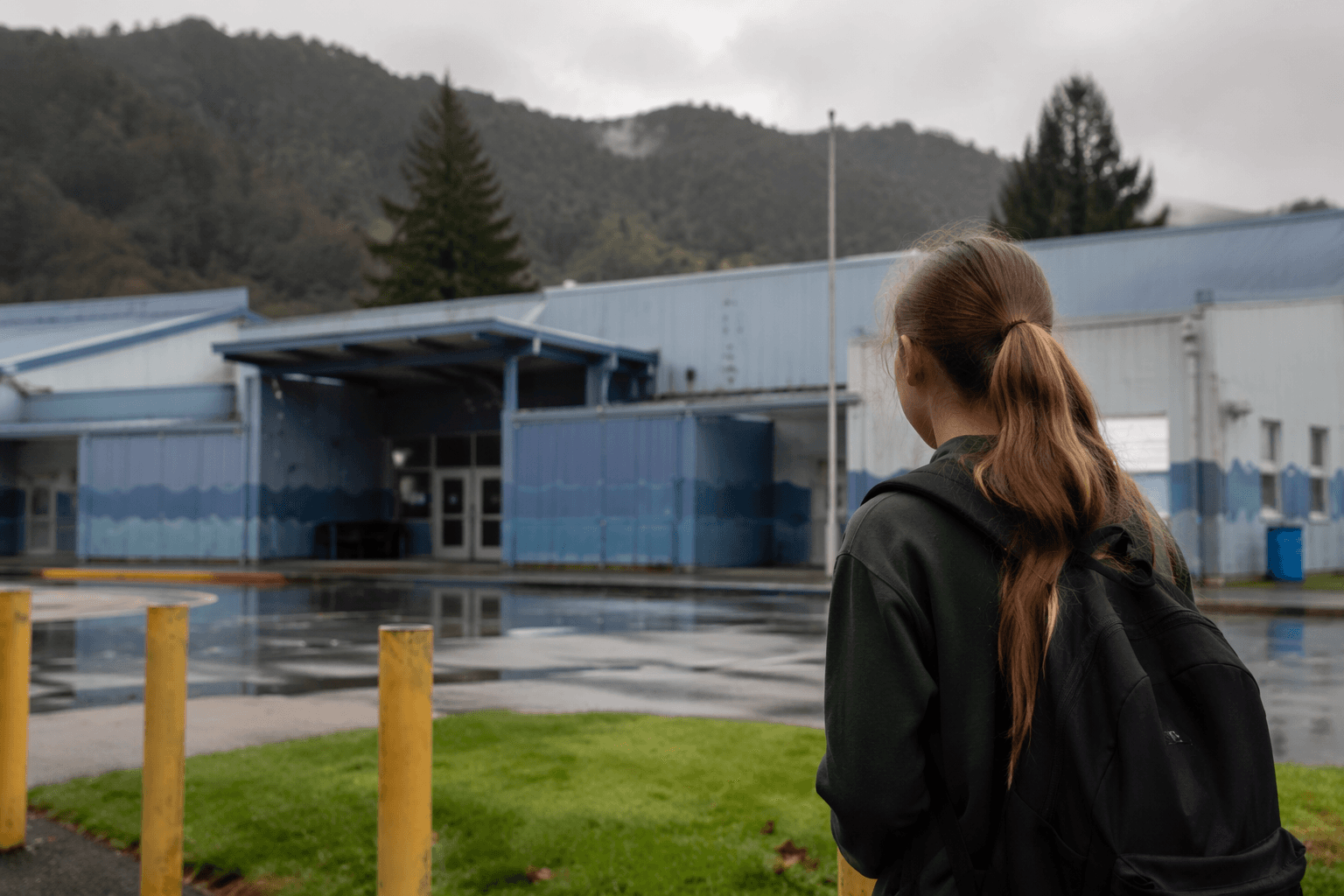
Hoopa Tribe meets with students after Dylan Moon death, offers support
Hoopa Valley students met with tribal leaders after Dylan Moon’s death as more than 20 wellness staff and community members worked on campus to help.
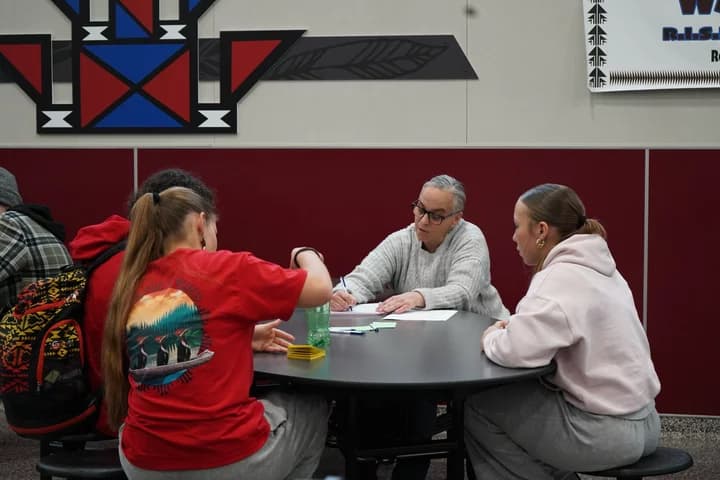
Hoopa Valley High School students sat down with tribal leaders after Dylan Moon’s death to ask questions, voice fear, and hear what help was available right now. The meeting was part grief response and part practical check-in, as the Hoopa Valley Tribe moved to reassure teenagers shaken by the March 10 shooting in Hoopa and the murder case that followed.
Moon was 17. Public reporting says he was shot in Hoopa on March 10, 2026, died from his injuries on March 13, and was later identified by the tribe as a tribal member. Prosecutors later filed murder charges against two teens, Tse-lin “Red Cloud” Lincoln and William Randolph Billy Warren. The killing prompted an emergency community meeting, a $10,000 reward for information leading to arrests, and a round of warrants, arrests and court hearings that deepened the strain on the Hoopa Valley community.
At the school, tribal leaders said they wanted a space where students could speak openly about what they were experiencing before and after the shooting instead of carrying it alone. Vice Chairman Jordan Hailey said the visit began as a check-in, but the circumstances made it urgent. Tribal leaders said they wanted students to know they were being heard and that adults were taking responsibility for the safety and well-being of young people on the Hoopa Valley Reservation.
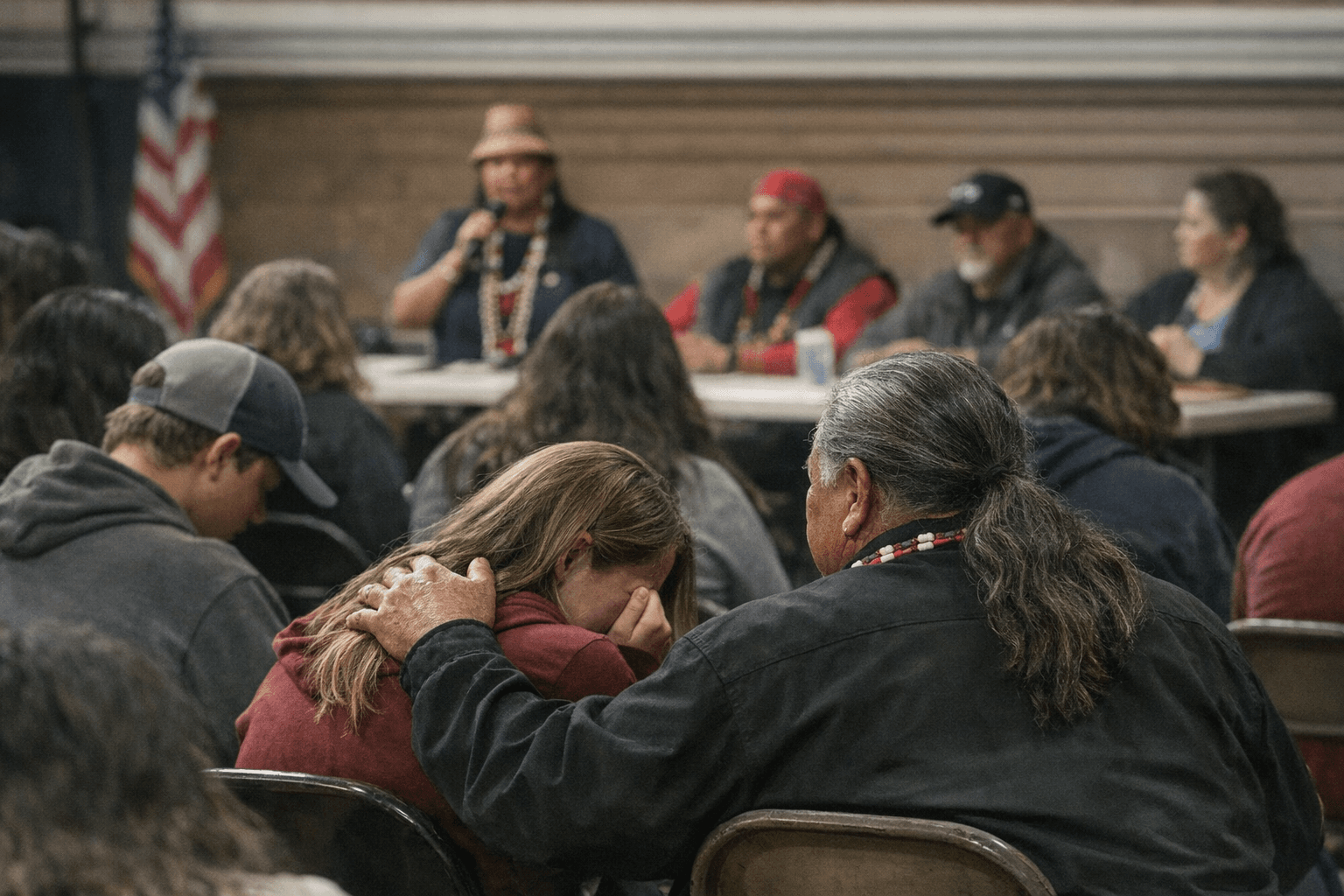
That response is already visible on campus. The tribe said more than 20 to 30 wellness specialists, counselors, parents and other community members have been present at Hoopa Valley High School in recent weeks, helping students cope and offering support. The tribe also said it plans to increase the presence of wellness professionals, strengthen school safety measures and bring in more parents and community members to help.
The pressure on Hoopa’s students comes amid a broader gap in school-based support across Native communities in Humboldt County. A 2020 report on Native American education in the county found many students attend schools without professional health staff, and California data showed Native American students had a 33% chronic absenteeism rate in 2023-24. That makes the question in Hoopa immediate and practical: when grief lands in a classroom, who is there, how long will they stay, and can students trust that help will still be there tomorrow?
This article was produced by Prism’s automated news system from verified source data, official records, and press releases, then run through automated quality and moderation checks before publishing. The system is built and supervised by the people who set the standards it runs under. Read our full AI policy.
Did this article answer your question?