Humboldt supervisors move to tighten oversight of license plate cameras
Humboldt supervisors voted 4-1 to tighten oversight of license plate cameras after four hours of debate over who can see the data and how far it travels.

Humboldt County supervisors voted 4-1 to tighten oversight of license plate cameras after a four-hour debate over who can see the data the sheriff’s office collects on county roads. The board also moved to block private use of similar cameras on county rights of way, a response to reports that a Westhaven resident had installed a Flock camera near Trinidad.
The sheriff’s office uses Flock Safety automated license plate-reader technology while saying it recognizes the public’s established privacy rights. County agenda materials say the system records license plate numbers, vehicle descriptions, time, location and direction of travel for every vehicle passing through a camera’s coverage area. Those same materials say Flock’s network architecture allows participating agencies to share data statewide or nationally, raising the question of how far Humboldt drivers’ movements can travel beyond the county.
That tension put Humboldt squarely inside a wider California fight over surveillance rules. State guidance issued Oct. 27, 2023 says Senate Bill 34 governs ALPR data collection, storage, sharing and use, and became effective Jan. 1, 2016. The California State Auditor’s report 2019-118 found many agencies had weak ALPR safeguards and had not audited searches sufficiently. In October 2025, Attorney General Rob Bonta sued the City of El Cajon over alleged sharing of license plate data with out-of-state law enforcement agencies, underscoring the risk that local plate scans can end up in hands far outside California.

At the county board’s regular meeting June 2 at 825 Fifth Street in Eureka, supervisors said the current system needs a closer look. Steve Madrone’s board report asked for a briefing on the ALPR program and a review of compliance with local, state and federal laws. The board then voted to create an ad hoc committee to examine alternatives that would give the sheriff’s office more control over its data. Rex Bohn cast the lone dissent. Supervisors also directed Public Works to draft a policy preventing private use of ALPR cameras and similar technology on county rights of way.
The sheriff’s office itself has acknowledged how broad the system already is. In an October 2025 response, it said its transparency portal listed 293 California law enforcement agencies with access to Humboldt ALPR data. That same response said the cameras detected 117,586 vehicles in 30 days and that deputies conducted 188 searches in that period, relying on after-the-fact audits rather than inspecting each search request in advance.
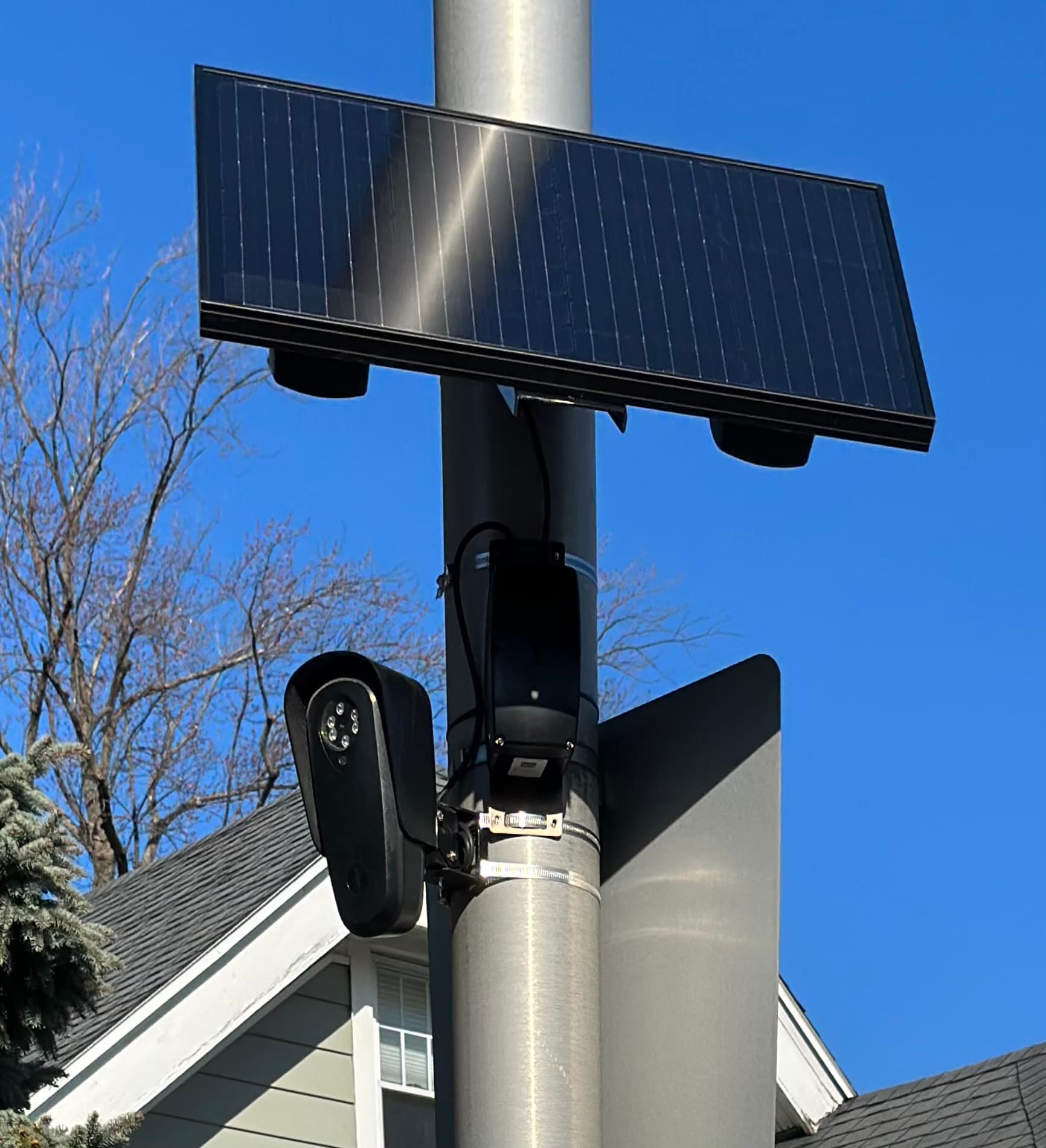
For Humboldt drivers, the immediate effect is more county scrutiny over a technology that captures ordinary travel through Trinidad, Westhaven and other local corridors. The deeper issue is whether a system marketed as a crime-solving tool can be kept within the privacy limits California law requires, and whether the county is willing to put stricter guardrails around who sees the data once a plate is read.
This article was produced by Prism’s automated news system from verified source data, official records, and press releases, then run through automated quality and moderation checks before publishing. The system is built and supervised by the people who set the standards it runs under. Read our full AI policy.
Know something we missed? Have a correction or additional information?
Submit a Tip