New records show delays, tension after Hoopa police shooting
William “Willie” Nelson’s body stayed in a Hoopa yard for more than eight hours, fueling anger as state investigators drove up from Sacramento.
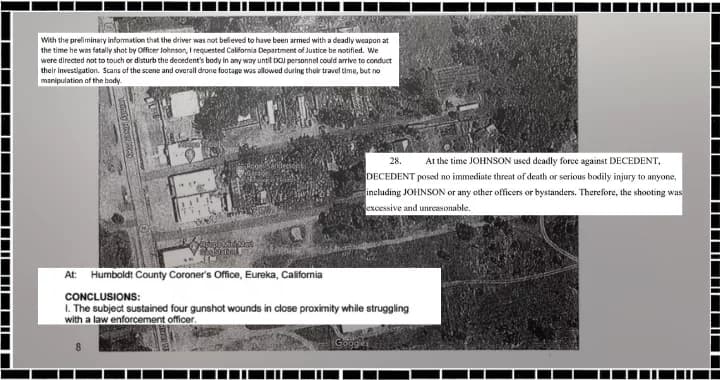
A fatal shooting on the Hoopa Valley Indian Reservation has become a test of whether California’s new state-led oversight of police killings can move quickly enough to earn public trust. William “Willie” Nelson, 43, was unarmed when a California Highway Patrol officer shot him after a traffic stop, a foot chase and a physical struggle on Sunday, Sept. 17, 2023, near State Route 96 south of Legion Way.
The California Department of Justice announced the next day that it was independently reviewing the shooting under AB 1506, the law that requires the state to investigate every officer-involved shooting in California that kills an unarmed civilian. Signed Sept. 30, 2020 and effective July 1, 2021, the statute created the first statewide process of its kind, with the California Police Shooting Investigation Team, or CaPSIT, meant to produce the most comprehensive, thorough, accurate and timely investigation possible.
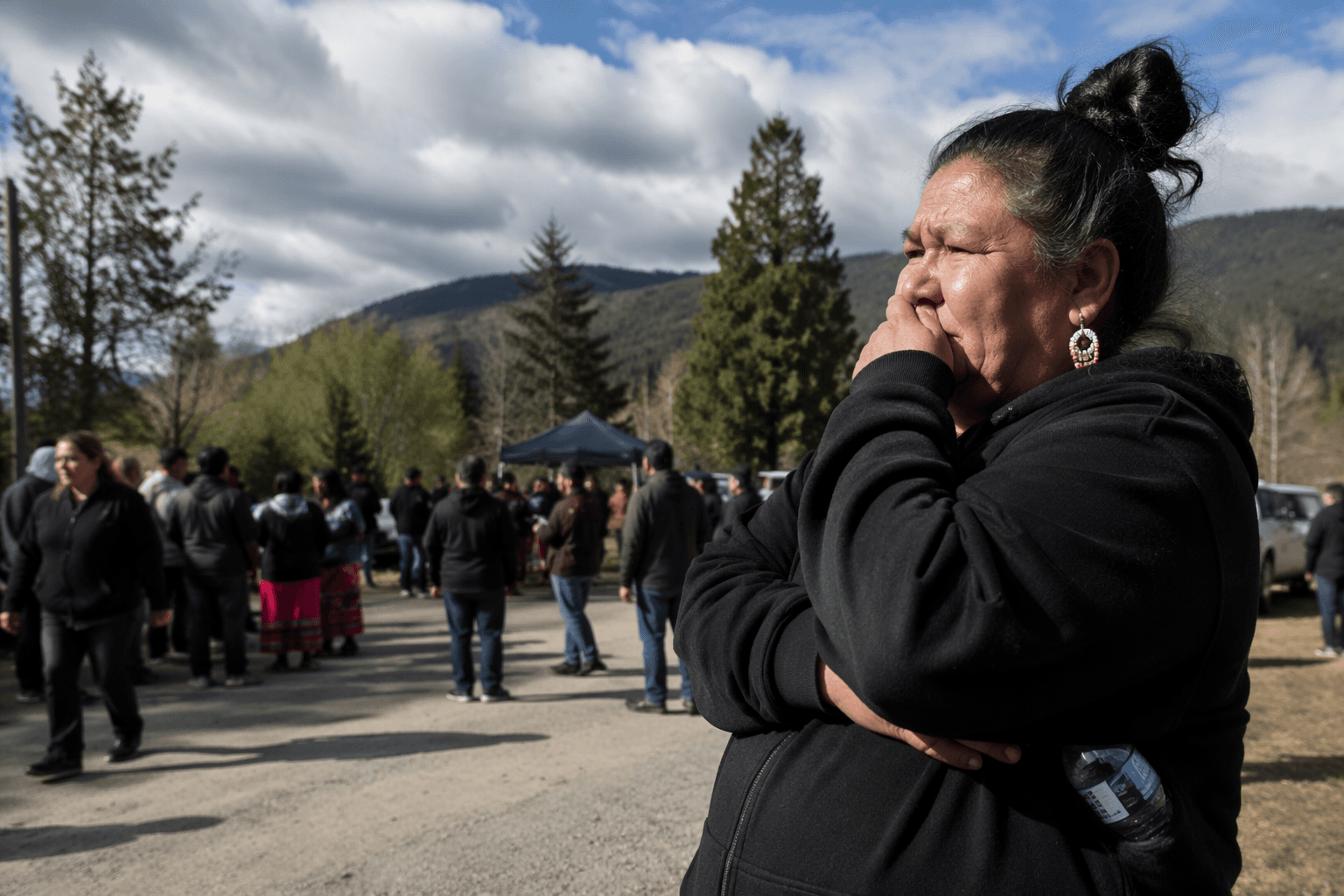
In Hoopa, those goals ran headlong into geography and grief. Records say local officers were told not to disturb Nelson’s body while investigators traveled from Sacramento, but that meant his body remained in a yard for more than eight hours on a day when temperatures reached 90 degrees. Family members and neighbors gathered nearby as the wait stretched on, and police reports described a tense scene. Some people shouted at officers; one officer later described the crowd as “very agitated.”
The delay mattered because Hoopa is not a place where state power feels close at hand. The Hoopa Valley Indian Reservation, along the Trinity River in Humboldt County, is California’s largest reservation and spans nearly 90,000 acres. Census figures list its population at 3,173. In a community that small and remote, every hour before investigators arrive can deepen the sense that outside authorities are controlling the story before local people can see what happened for themselves.
The Humboldt County Sheriff’s Office said the initial stop was a CHP traffic stop for a broken windshield on State Route 96 south of Legion Way. The office said Nelson fled, ignored commands, fought with the officer and that the officer was injured before Nelson was shot. The Humboldt County Critical Incident Response Team was investigating alongside the state.
For Nelson’s family and for Hoopa, the case has become about more than one shooting. It has exposed the strain between California’s promise of neutral, state-level review and the practical realities of investigating a killing far from Sacramento. More than two years later, the records show a process still shadowed by delay, and a community still measuring what accountability looks like when it arrives late.
This article was produced by Prism’s automated news system from verified source data, official records, and press releases, then run through automated quality and moderation checks before publishing. The system is built and supervised by the people who set the standards it runs under. Read our full AI policy.
Know something we missed? Have a correction or additional information?
Submit a Tip