Six Rivers National Forest proposes campground fee increases across region
Panther Flat could jump from $15 to $30 a night, as Six Rivers seeks bigger campground fees at Humboldt favorites from Big Flat to Patrick Creek.
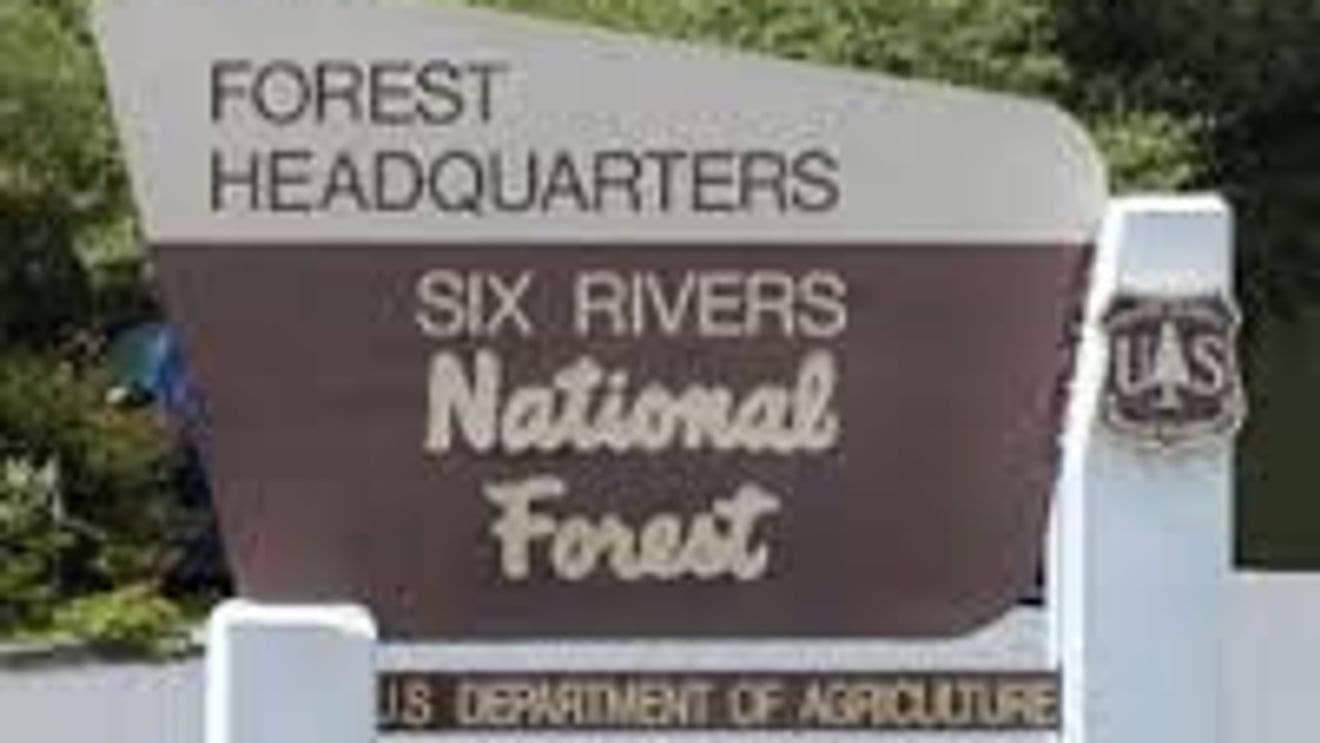
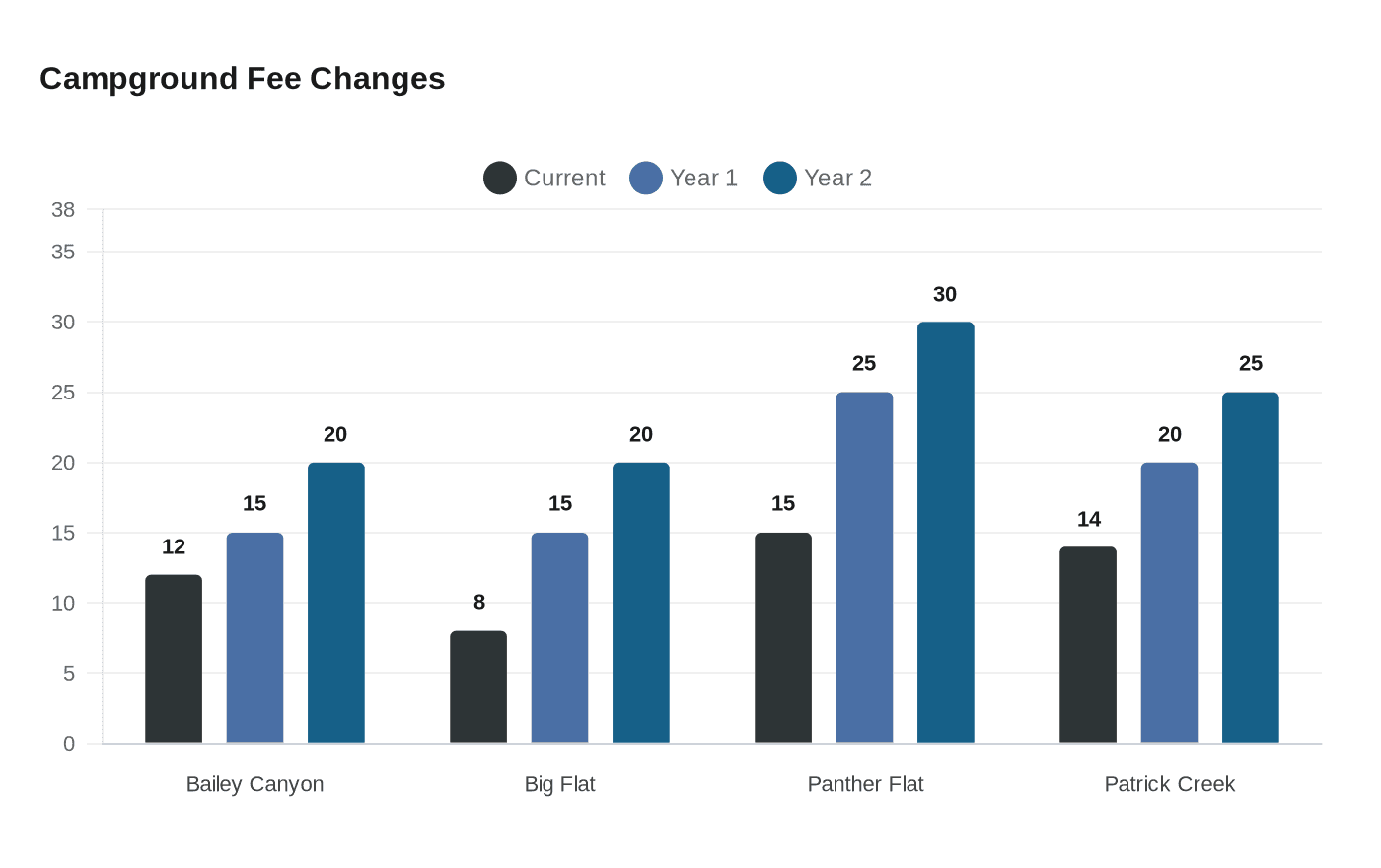
A night at Panther Flat could climb from $15 to $30, and Patrick Creek from $14 to $25, under Six Rivers National Forest’s plan to raise campground and recreation fees across the region.
The proposal, announced May 22, would affect a long list of popular sites used by Humboldt County campers, from Bailey Canyon and Big Flat to Boise Creek, Dillon Creek, East Fork, E-ne-nuck, Fir Cove, Fish Lake, Grassy Flat, Mad River, Nordheimer, North Fork, Oak Bottom, Panther Flat, Patrick Creek and Pearch Creek. The forest says the higher rates are meant to cover rising operating costs, deferred maintenance and future improvements at sites that already see heavy use.
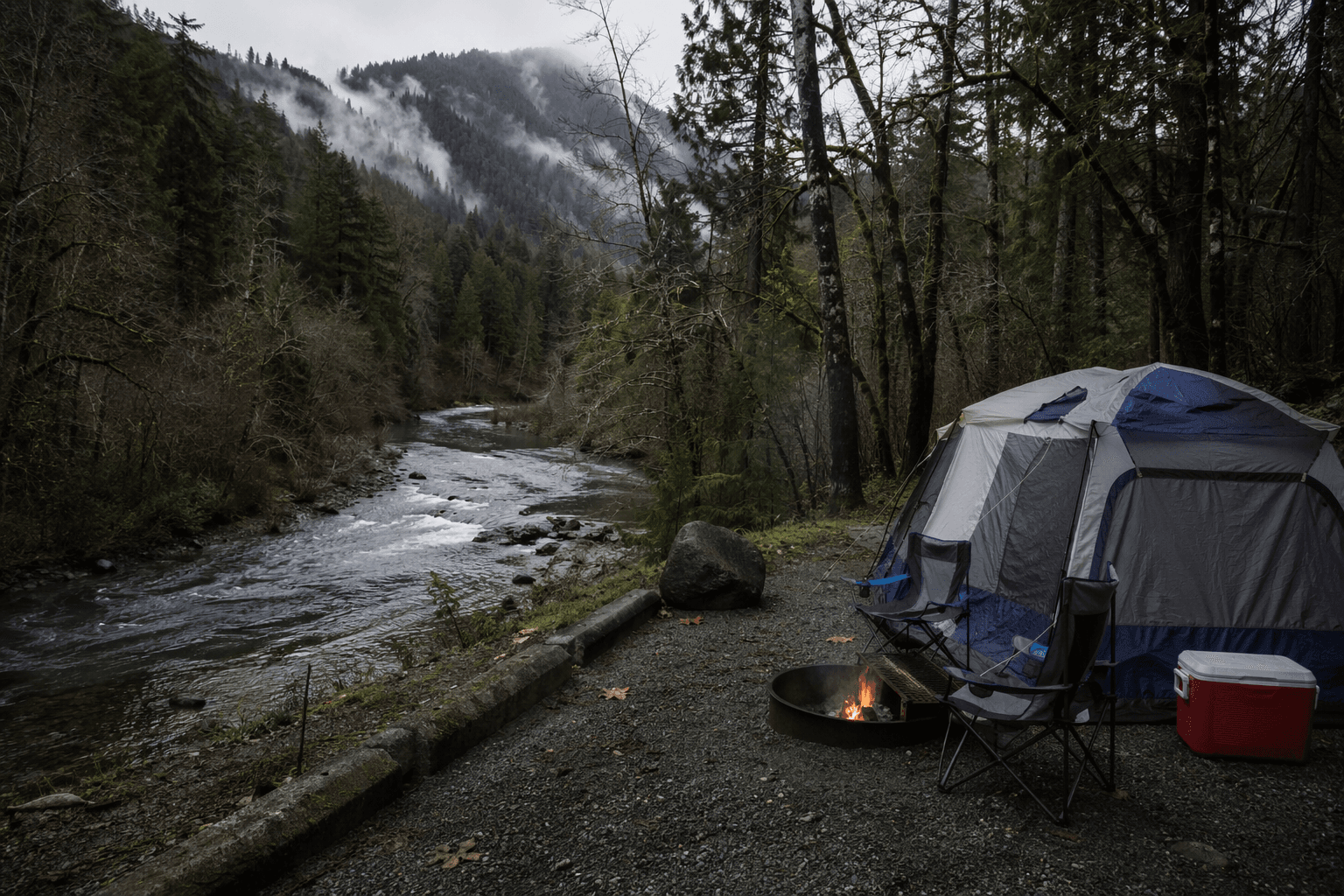
For many families, the change would be immediate at the pay station. Bailey Canyon now charges $12 and would rise to $15 in year one and $20 in year two. Big Flat would move from $8 to $15 and then $20. Panther Flat would go from $15 to $25 and then $30. Patrick Creek would rise from $14 to $20 and then $25. The forest is also looking at higher charges for East Fork Group Campsite, Nordheimer Group Campsites, Bear Basin Butte, Pierson Cabin and a proposed nightly fee for the Patrick Creek Bathhouse Cabin.
Six Rivers says the proposal would not mean paying to enter the forest or to use its day-use areas. The agency also says it would keep honoring pass discounts that apply to camping fees, including a 50% break for Senior and Access pass holders on the Smith River National Recreation Area and Six Rivers National Forest.
Even with the proposal, the forest says 66% of sites would still not require a recreation fee. The public comment period opened May 22 and runs through close of business Sept. 15, with the proposal reviewed through the Forest Service’s recreation-fee process and Recreation Resource Advisory Committees, which are open to the public.
The stakes are local. Six Rivers stretches from the Oregon border south through the Smith, Klamath, Trinity, Eel, Van Duzen and Mad river watersheds, and its campgrounds are part of the summer economy for places like Eureka, Willow Creek and Ruth Lake. The forest’s 2026 camping guide says developed campgrounds typically include vault or flush toilets, fire rings or stoves, tables, parking for two vehicles and drinking water unless otherwise noted. Reservations are available for ten campgrounds in summer, about two-thirds of sites in reservable campgrounds can be booked, stays are limited to 14 consecutive days per site and 30 days total per year, and most campgrounds are staffed by volunteer hosts.
Forest officials say most fee revenue stays on the forest and goes back into campgrounds, day-use areas, boat ramps, trails, rental cabins and lookouts, a promise Humboldt campers will judge against the condition of the sites they use most.
This article was produced by Prism’s automated news system from verified source data, official records, and press releases, then run through automated quality and moderation checks before publishing. The system is built and supervised by the people who set the standards it runs under. Read our full AI policy.
Know something we missed? Have a correction or additional information?
Submit a Tip