Redwood Coast Tsunami Work Group marks 30 years of preparedness
The Redwood Coast Tsunami Work Group hit 30 years, and Humboldt’s own hazard maps still show why Eureka, Arcata and low-lying shoreline areas cannot afford complacency.
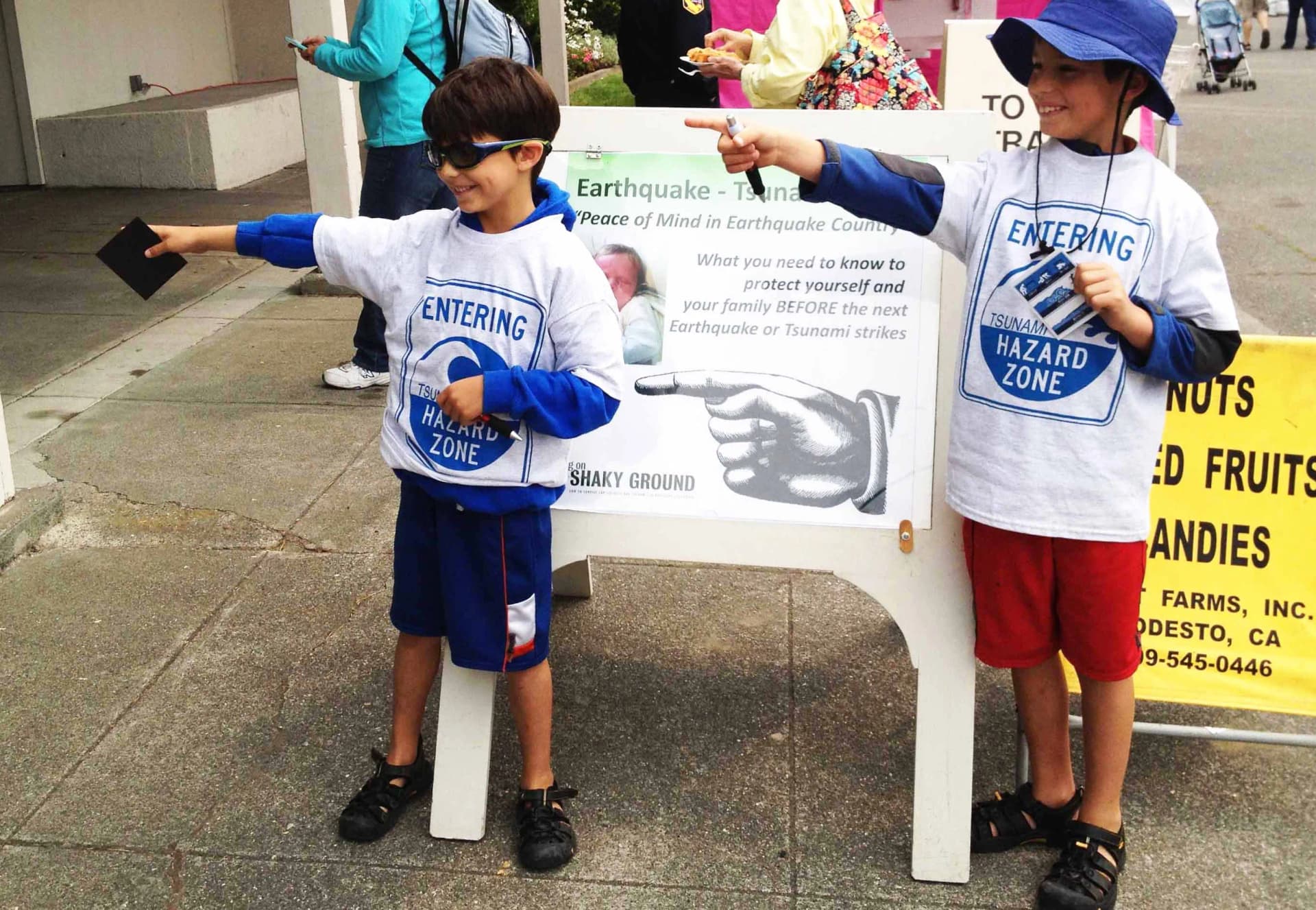
The Redwood Coast Tsunami Work Group turned 30 this year, a milestone that points to three decades of evacuation planning, public education and map-making for Humboldt’s most exposed shoreline communities. Lori Dengler’s anniversary column tied that history to a blunt warning still built into county guidance: if you feel a large earthquake, get out of the tsunami zone immediately.
Formed in July 1996, the work group was created to define local needs for reducing the North Coast earthquake and tsunami hazard and to promote a coordinated response. Its roster spans local, state, tribal, federal, nonprofit and business partners from Del Norte, Humboldt and Mendocino counties, reflecting how far a wave warning can travel beyond one city or one agency. A 2021 archived Times-Standard piece said the first meeting was held at the Redwood National Park office in Arcata and drew nine people.
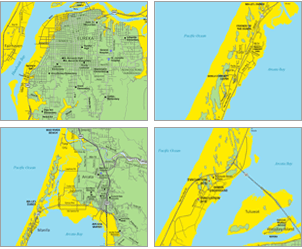
The practical message has changed little, even as the outreach has expanded. The work group’s preparedness materials say tsunami safety starts with knowing your zone, and Humboldt County says a tsunami can arrive in as little as ten minutes in some cases. County maps mark green areas as high enough or far enough inland to be safe even in the most extreme earthquake event, while yellow areas carry higher risk, especially for people near beaches or in low-lying ground.
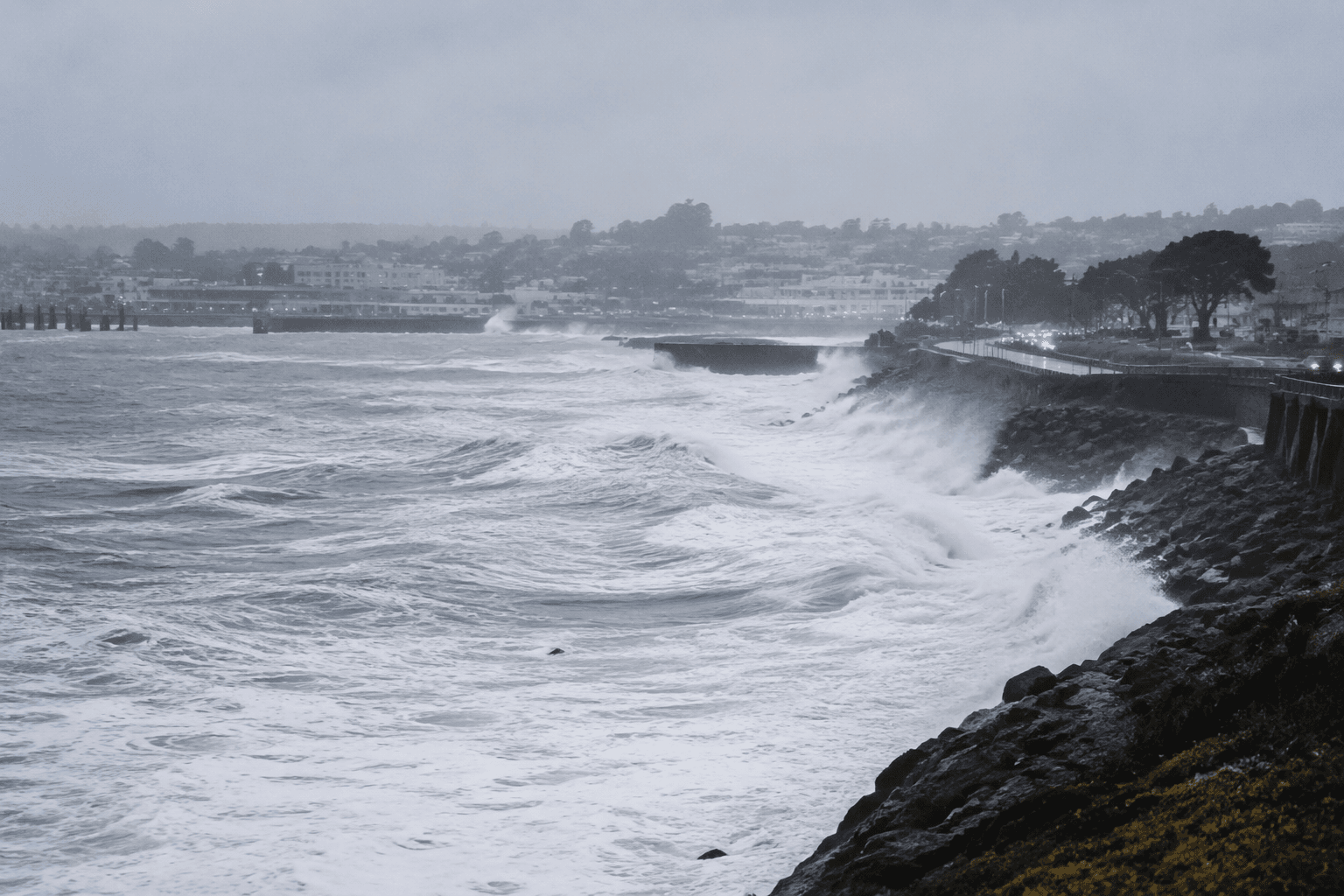
That distinction matters in places like Eureka’s waterfront, Arcata’s low coastal corridors, and neighborhoods and businesses along the coast where students, commuters, tourists and working waterfront users can be inside a hazard zone without realizing it. It also matters inland enough to include schools and workplaces that depend on clear evacuation routes when shaking starts and minutes count.
The anniversary also underscores the reach of Dengler’s own public-service record. NOAA says she served on the National Tsunami Hazard Mitigation Program Steering Committee from 1996 to 2003 and authored the Strategic Implementation for Mitigation Projects. The Seismological Society of America recognized her with its Frank Press Public Service Award, and a 2025 Humboldt event listing scheduled her to speak on the December 5 M7.0 Mendocino Fault earthquake and tsunami threat.
This year’s Tsunami Preparedness Week ran March 21 to 29, another reminder that the work group’s job is not ceremonial. Its value in Humboldt County has always been measured in whether residents, schools and businesses know where to go before a siren, a shake or a wave makes the choice for them.
This article was produced by Prism’s automated news system from verified source data, official records, and press releases, then run through automated quality and moderation checks before publishing. The system is built and supervised by the people who set the standards it runs under. Read our full AI policy.
Did this article answer your question?