Report Finds Humboldt County Low-Wage Jobs Fail to Meet Basic Needs
Humboldt renters need $24.46 an hour to afford the county’s $1,272 average rent, while MIT’s living-wage estimate for a single parent with one child is $87,204 per year.

Multiple local analyses show that pay in Humboldt County’s lowest-wage occupations falls well short of basic living costs, leaving thousands of households squeezed by rising rents and limited housing supply. CHPC reports renters need $24.46 per hour - 1.5 times the state minimum wage - to afford the average monthly asking rent of $1,272, and says asking rents climbed 21.1% ($222) between Q4 2019 and Q4 2024.
A separate measure of household needs underscores the gap for families with children. CCRP Humboldt cites the MIT Living Wage Calculator (2024), which estimates that “a single working adult with one child requires a minimum annual income of $87,204” to cover food, childcare, housing, healthcare, and transportation. CCRP’s Child Care Access Survey links that pressure to staffing problems in local childcare programs, noting staff shortages, retention difficulties, low wages, absence of healthcare benefits, and limited opportunities for career advancement.
The childcare survey includes a stark on-the-ground example of those tradeoffs. A participant wrote, “For example, I am unable to work three 12-hour shifts schedule and instead have to work at a doctor’s office which has more traditional hours. In effect limiting my ability to earn income. I would earn more money working in a hospital. A lot more.” CCRP also flagged a shortage of specialized childcare for children with disabilities, noting that “approximately 6% of children in the county have a disability” and parents consistently report a lack of trained providers.
Housing supply shortfalls amplify cost pressures. CHPC finds “6,015 low-income renter households in Humboldt County do not have access to an affordable home.” UCanr cites the Humboldt County Housing Needs Report, which identified a need for just over 8,000 affordable and available rental units but found only around 2,000, leaving a shortfall of over 6,000 units. UCanr further reports that 31% of moderate-income households are housing cost-burdened and that over 75% of low-income residents are cost-burdened.
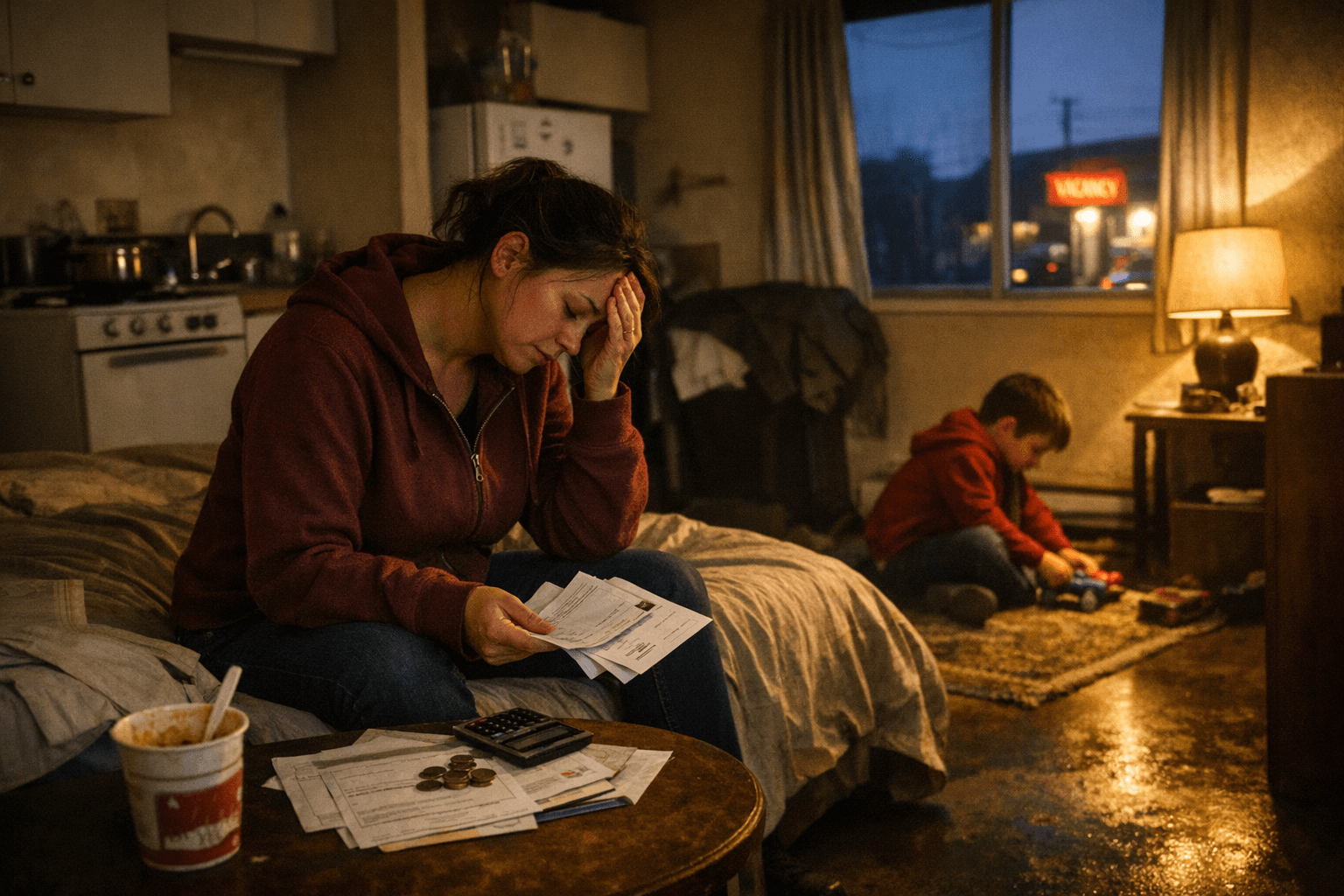
The strain shows up in homelessness resources and funding flows. CHPC reports that “in 2024 in Humboldt County, there were only 719 beds available in the interim housing supply for persons experiencing homelessness.” At the same time, CHPC documents that state and federal funding for housing production and preservation in Humboldt County is $64 million, a 182% increase from the year prior.
Local labor-market context complicates potential solutions. UCanr notes Humboldt has had sub-5% unemployment since January 2022, with shortages “across the board, especially in higher-paying positions,” widening the wage gap with the rest of California. UCanr recommends workforce development and supporting traditional sectors such as agriculture and timber alongside alternative industries like outdoor recreation tourism and green energy to create more living-wage opportunities.
Taken together, the reports show a consistent pattern: wages in occupations cited by CHPC and CCRP, farmworkers, childcare workers, retail salespersons, janitors and cleaners, medical assistants, cluster well below the hourly benchmarks needed to afford local rents and meet families’ needs. With rent growth of 21.1% over five years, a roughly 6,000-unit affordable housing shortfall, only 719 interim beds, and a living-wage benchmark of $87,204 for a single parent and child, Humboldt’s affordability and workforce challenges are tightly linked and substantial.
This article was produced by Prism’s automated news system from verified source data, official records, and press releases, then run through automated quality and moderation checks before publishing. The system is built and supervised by the people who set the standards it runs under. Read our full AI policy.
Did this article answer your question?