Samoa’s lumber heritage still shapes Humboldt County history
Samoa is more than an old mill town. Its archives, roundhouse and rail history still explain how Humboldt Bay was built, used and argued over.
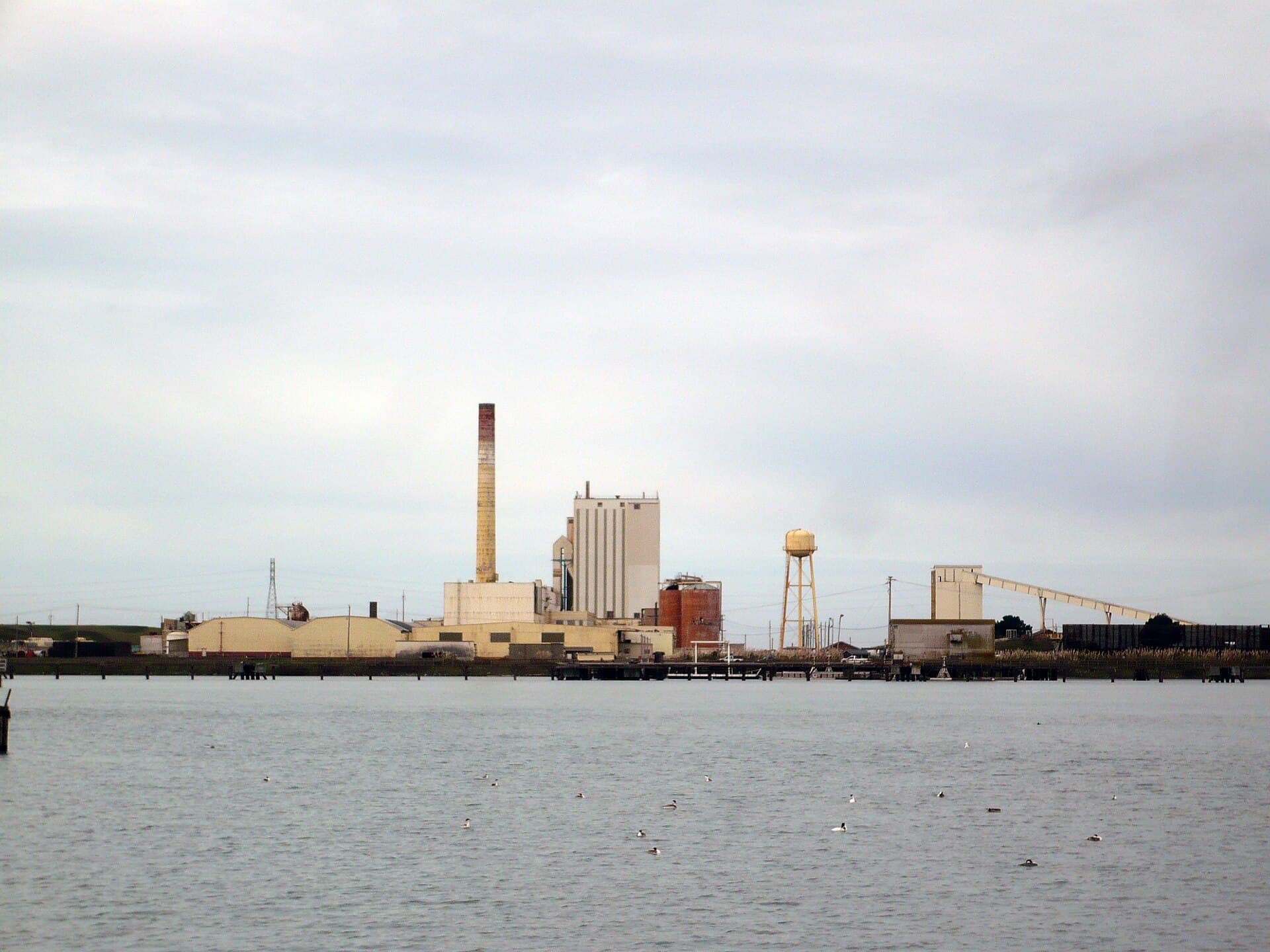
Samoa sits just across Humboldt Bay from Eureka, but its story reaches far beyond a single shoreline. The town grew out of the North Coast timber economy, and the surviving records and buildings show how a lumber company town helped organize work, transport and land use around the bay.
Why Samoa matters in Humboldt County
The place only makes sense when you start with the redwoods. National Park Service history materials describe Humboldt County’s redwood zone in 1850 as an irregular belt about 108 miles long, ranging from two to 20 miles wide, with an estimated 500,000 acres of redwood forest. That vast timber base explains why industrial settlements clustered where logs could be milled and shipped, and why Samoa became one of the key names on the bay.
Cal Poly Humboldt Special Collections gives the town its clearest anchor with a dedicated page titled “Samoa - A Lumber Company Town.” That framing is the right one for Humboldt County because Samoa was never just a dot on the map. It was part of a working system that linked forests, mills, rail lines and waterfront shipping, with Eureka and Samoa tied together by the movement of lumber and labor across Humboldt Bay.
What the archive says about a company town
The documentary trail around Samoa is unusually rich. Calisphere hosts an item titled “Plans of House for Vance Redwood Lumber Co. Samoa, Cal. No. 15,” a reminder that the town’s industrial story included not just mills and tracks, but housing and planning as well. The broader holdings at Cal Poly Humboldt, including material on Louisiana Pacific and Hammond Lumber Company and the Northwestern California Forest Communities Collection, place Samoa inside a larger North Coast timber network rather than as an isolated case.
That network matters because company towns were built to organize more than production. They shaped where workers lived, how families got around, and how the waterfront was used for shipping and rail. In Samoa, the archive helps show that the town’s identity was tied to the mill community itself, not simply to the trees that fed it.
What still stands on the ground
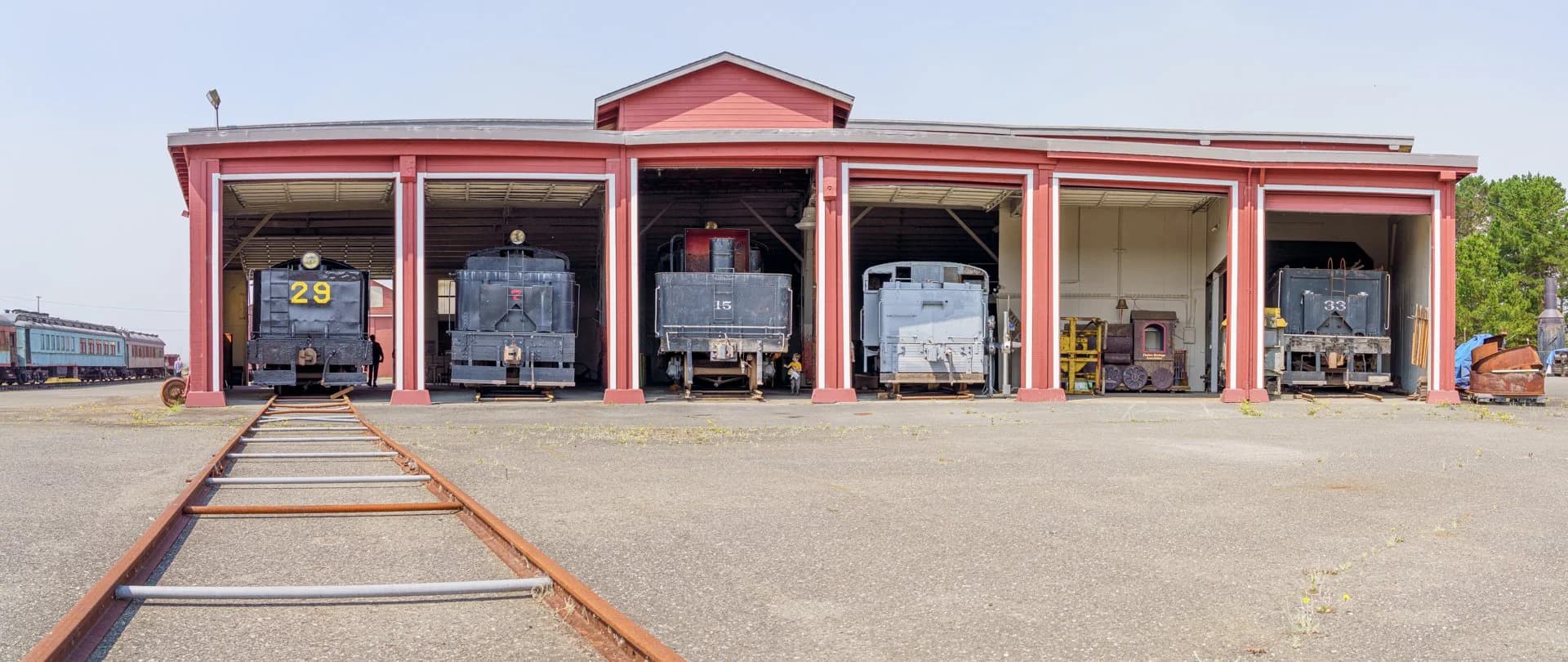
The most visible reminder is the Samoa Roundhouse & Shops complex. Timber Heritage Association identifies the complex as having been built in 1893 by the John Vance Mill and Lumber Company, which places it firmly in the late-19th-century period when timber was becoming one of Humboldt County’s defining industries. The organization says its mission is to “preserve, interpret, and celebrate” Humboldt County’s timber heritage, and it says it has been collecting timber-related artifacts for almost fifty years.
That preservation work has its own local history. A Times-Standard article published in 2017 said Timber Heritage Association was celebrating its tenth summer at the historic 1893 site. By 2020, Heritage Rail Alliance described the group as closing in on a longtime goal of assuming ownership of the former Hammond Lumber Company’s Samoa Shop complex. Those milestones show that Samoa is not just remembered, it is actively maintained as part of the county’s industrial record.
For anyone tracing Humboldt’s timber era, the roundhouse and shop buildings are more than museum pieces. They help interpret how logs, lumber, labor, rail equipment and shipping fit together across the bay. That physical evidence is what turns the story from abstraction into place.
How to read Samoa as a living legacy
Samoa still matters because the old company-town logic continues to shape how people think about the bayfront. A place that was built around a mill leaves behind questions that never disappear easily: who owns the land, what gets preserved, and which parts of the industrial past are allowed to remain visible. The former Hammond shop complex is a good example, because ownership and stewardship determine whether a historic site stays legible to the public or fades into another hard-to-read industrial parcel.
The human memory of the town reinforces that point. In a 1953 oral history interview, Samoa resident Elsie W. Miller treated the town and the mill as inseparable, a view that still fits the way local history is read today. When a community’s identity is bound up with one industrial system, every decision about redevelopment, preservation and access carries extra weight.
A few places and records help make the story concrete:
- Cal Poly Humboldt Special Collections, especially “Samoa - A Lumber Company Town,” for the archival frame.
- The Samoa Roundhouse & Shops, for the built history that still marks the waterfront.
- Calisphere’s house plan for the Vance Redwood Lumber Company, for a glimpse of how company life extended beyond the mill floor.
- Timber Heritage Association, for the artifact collection and preservation work that keep the story public.
- Eureka and Humboldt Bay, for the geography that connected forests, rail and shipping into one regional economy.
Samoa’s value to Humboldt County is that it connects those pieces in one place. The town shows how the timber economy built jobs, transportation and a waterfront landscape that still shapes local debates over land use and preservation. That is why the story of Samoa is still part of the county’s present, not just its past.
This article was produced by Prism’s automated news system from verified source data, official records, and press releases, then run through automated quality and moderation checks before publishing. The system is built and supervised by the people who set the standards it runs under. Read our full AI policy.
Did this article answer your question?