Sequoia Park Zoo announces Tule and Ishŭng now sharing bear exhibit
Tule and Ishŭng are now sharing Sequoia Park Zoo’s bear exhibit, marking a key welfare milestone after months of quarantine, training and careful bonding.

Two black bears at Sequoia Park Zoo have moved from cautious introductions to a shared exhibit, a visible sign that the Eureka institution’s bear-care strategy is working as intended. For a zoo that houses more than 150 animals across more than 50 species, getting Tule and Ishŭng to live together is more than a feel-good moment. It is a measurable test of animal welfare, habitat design and the zoo’s ability to deliver a public exhibit that feels both active and humane.
Ishŭng, an adult female American black bear pronounced “Ee-shung,” arrived at the zoo in late March 2025 after the California Department of Fish and Wildlife placed her there. Her name was chosen by the Bear River Band of the Rohnerville Rancheria, and Bear River Band council chairwoman Josefina Frank said the word refers to the action of one eating and, in this case, means “she likes to eat.” Before she ever met Tule, Ishŭng spent a typical month-long quarantine period and was placed on a nutrition and activity plan after staff found she was underweight for her frame, sex and species.
Tule has been at Sequoia Park Zoo since May 2023, after wildlife officials determined he was not suitable for release to the wild. By early June 2025, staff said the bears were making major progress, including nose-to-nose contact in the indoor bear care quarters and shared enrichment toys, though they were not yet fully sharing quarters at that point. The zoo’s latest update shows that those early steps led to the kind of cohabitation that animal-care staff had been building toward.
The shared space sits inside the Bear and Coyote habitat, which opened in 2023 with funding from the Bear River Band of the Rohnerville Rancheria. The exhibit was built with features meant to keep bears moving and engaged, including a 50-foot cascading waterfall, a 60-foot-long pond that is four feet deep, log structures and climbing elements. That design matters for both the animals and the public: when a zoo can point to strong social behavior, active enrichment and visible habitat use, it reinforces the case that the investment in the exhibit was not cosmetic.
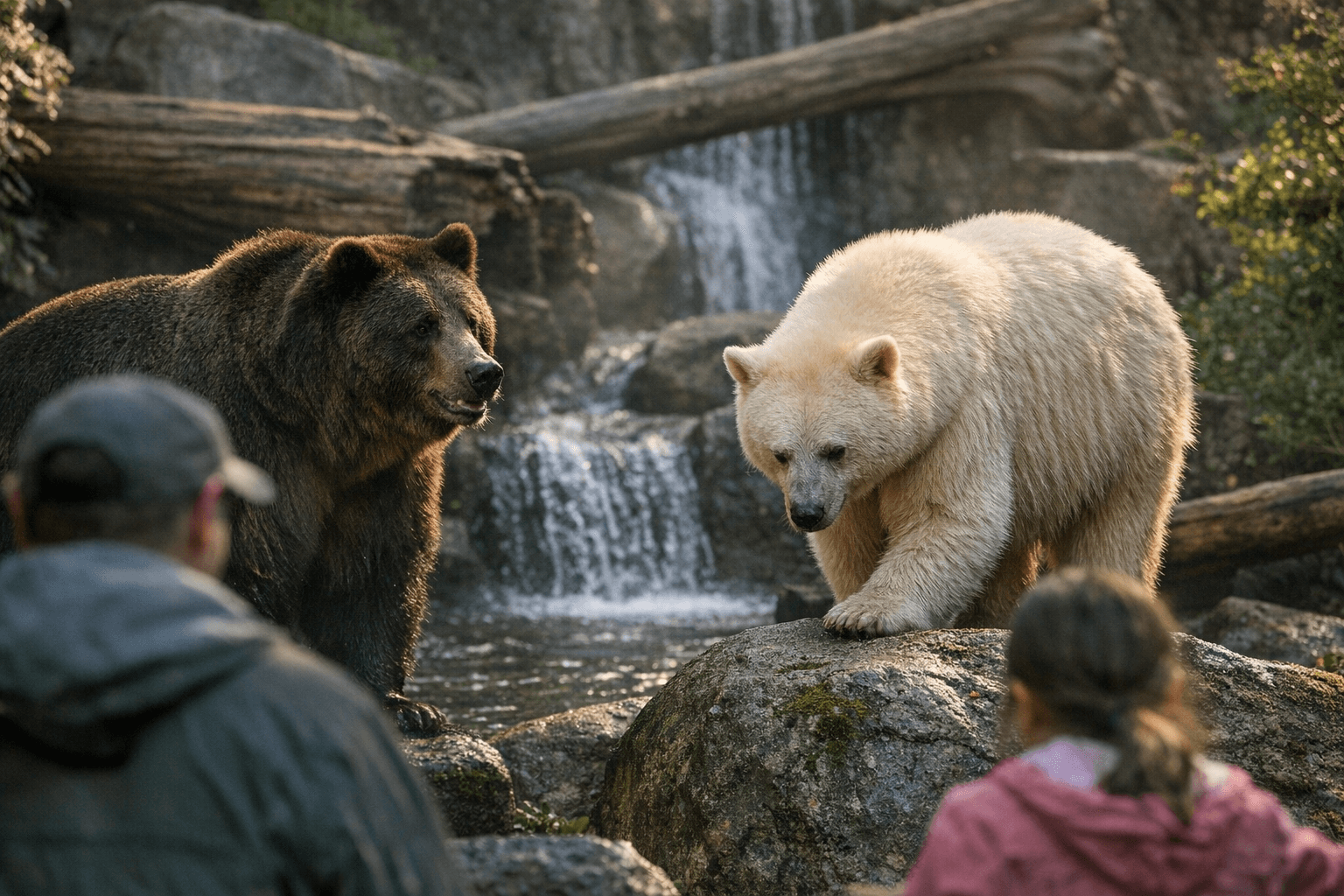
The stakes have been especially high with Ishŭng. In August 2025, zoo updates said she had dropped an estimated 100 pounds since arriving, falling from roughly 475 to 500 pounds to about 375 to 400 pounds, and had learned to enjoy foods such as lettuce, citrus, beef and green bell peppers. The zoo also said her previous facility had raised animal welfare concerns, making her adjustment in Eureka part of a broader story about rescue, rehabilitation and accountability.
Sequoia Park Zoo’s accredited status with the Association of Zoos & Aquariums gives that progress added weight. In Humboldt County, where the zoo is one of Eureka’s most recognizable family attractions, a successful pairing between Tule and Ishŭng strengthens both the animal-care mission and the public case for the habitat that now holds them.
This article was produced by Prism’s automated news system from verified source data, official records, and press releases, then run through automated quality and moderation checks before publishing. The system is built and supervised by the people who set the standards it runs under. Read our full AI policy.
Did this article answer your question?