Storms and invasives threaten Humboldt County’s fragile dune systems
Storm surge and invasive plants are wearing down Humboldt’s dunes, even as major restoration projects work to keep the coast’s natural buffer intact.
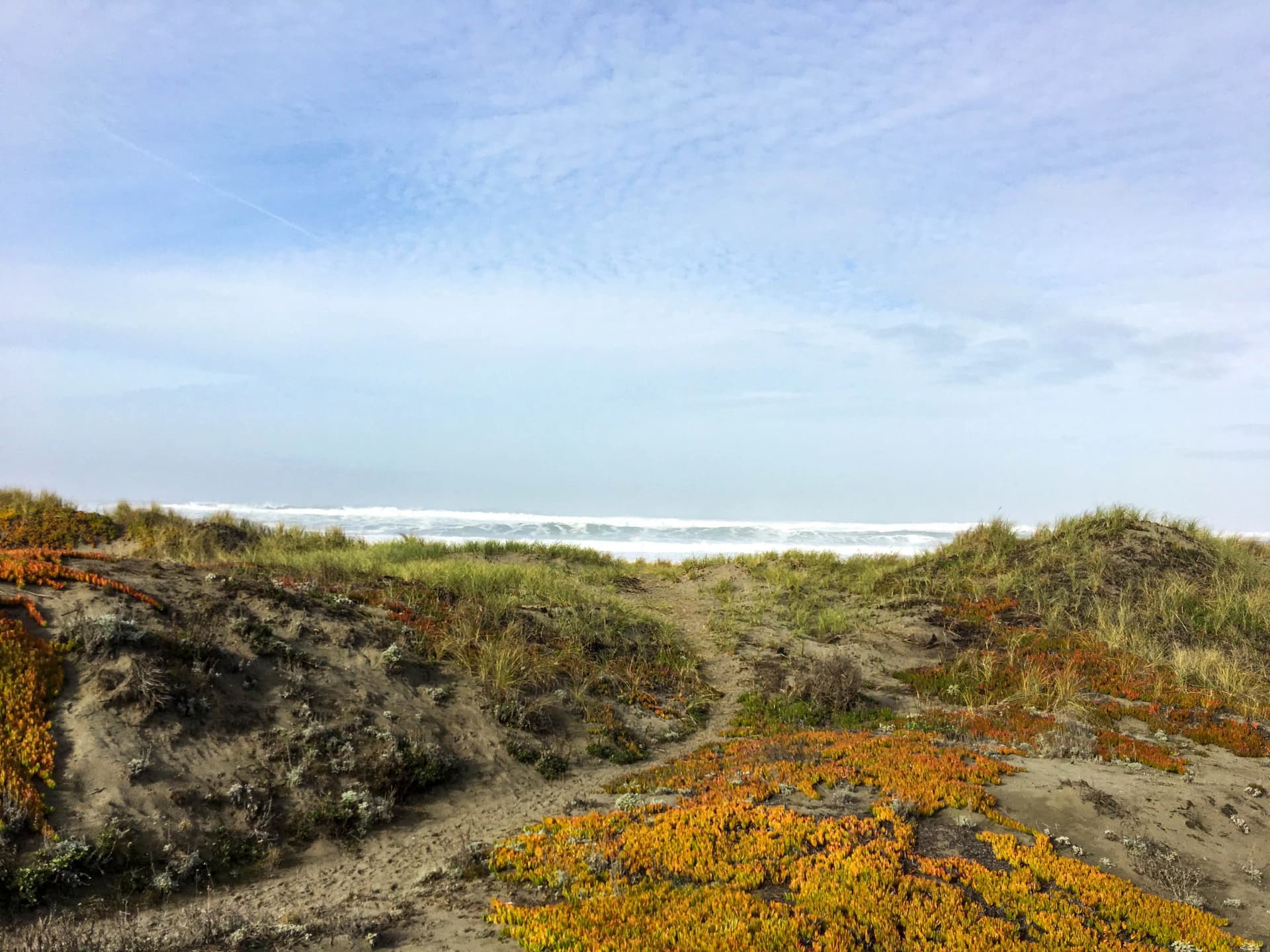
Along the stretch from Eureka to the Samoa Peninsula and the North Spit of Humboldt Bay, dunes absorb wind and wave energy, protect inland neighborhoods and roads, and provide habitat for native plants and wildlife that depend on shifting coastal ground. That buffer is under pressure from storms, invasive species, and decades of disturbance.
Why Humboldt’s dunes matter
The Humboldt Bay National Wildlife Refuge manages about 5,000 acres, including the bay area plus the Ma-le’l and Lanphere Dunes. The refuge describes those two dune units as the largest and best quality sand dune ecosystem representing coastal dunes in this area, and calls them “remarkably undisturbed.”
The 2017 Humboldt Bay Coastal Regional Sediment Management Plan places the region within the Eureka Littoral Cell, the coastal sediment system that governs how sand moves through Humboldt Bay’s beaches and dunes. When storms strip sand from the front edge of the dunes or change where sediment settles, the whole system can shift, including the areas residents use for access, wildlife viewing, and recreation.
Restoration already under way
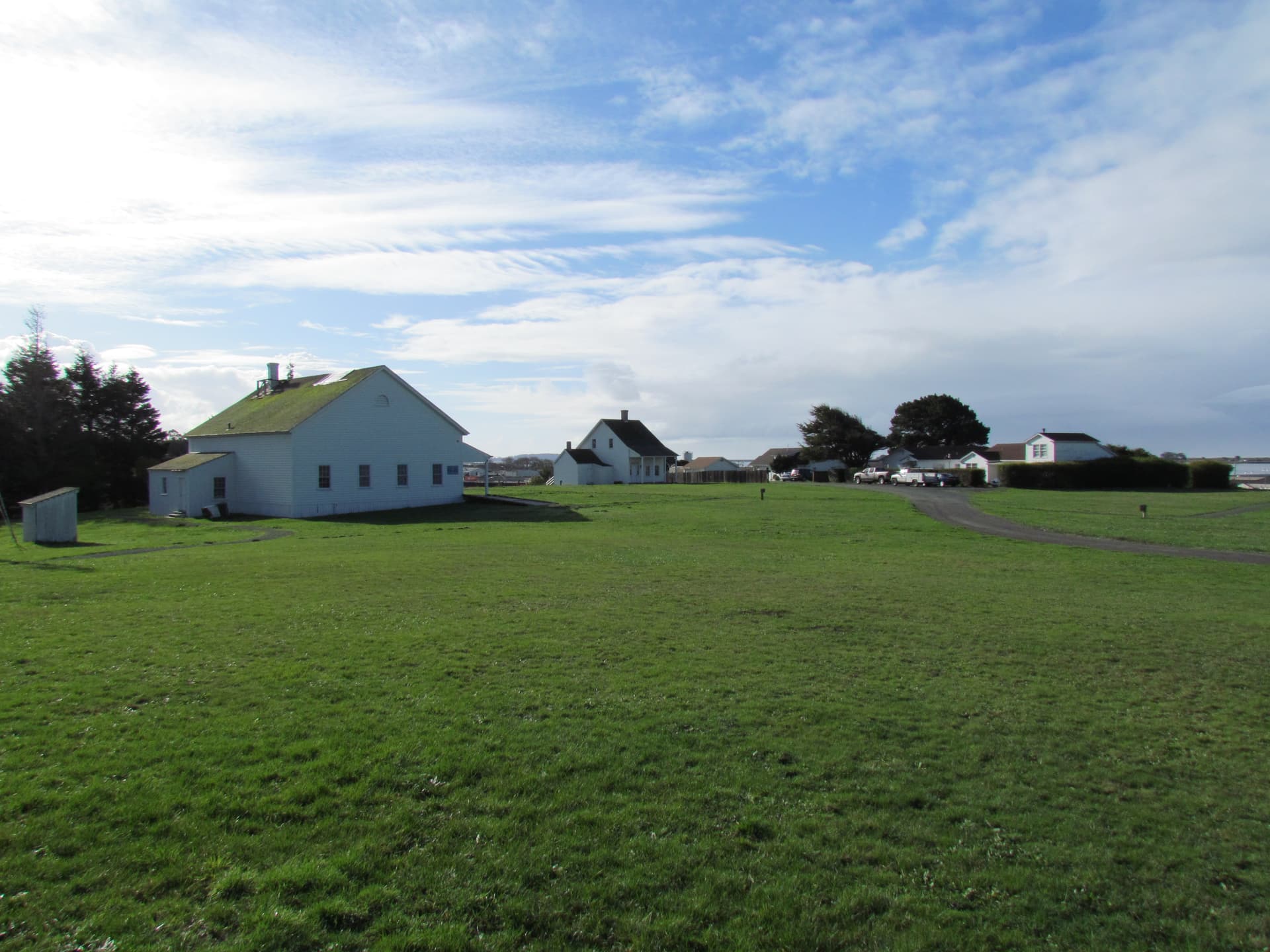
The strongest local conservation efforts are concentrated in and around the Lanphere and Ma-le’l dunes and on the North Spit. Humboldt Bay National Wildlife Refuge calls the Lanphere Dunes “the site of one of the most successful dune restoration projects on the west coast,” achieved through ongoing removal of invasive species. Lanphere Dunes has been the focus of foredune restoration since the 1980s.

Friends of the Dunes has been a central local steward in that effort, combining science, education, and restoration through projects such as the Humboldt Coastal Resilience Project.
Public funding has followed that need. In March 2015, the California State Coastal Conservancy authorized up to $75,000 for the Humboldt Bay Dunes and Marsh Restoration Project, including up to $25,434 for Friends of the Dunes and up to $47,075 for the Redwood Community Action Agency. In December 2022, the conservancy approved up to $350,000 to Friends of the Dunes for the Wadulh Unit Resilience Project, aimed at restoring 80 acres of dune habitat on the north spit of Humboldt Bay. Then in September 2023, it approved up to $5,552,800 to the Redwood Community Action Agency for the North Spit Dune Resilience Project, which is designed to restore 350 acres of coastal dune habitat along 4.5 miles of shoreline to increase sea-level-rise resiliency.
How storms and invasives work together
Storms can carve away sand, flatten foredunes, and expose plant communities that had been holding the system together. Once the sand is disturbed, invasive species can move in fast and crowd out native dune plants that stabilize the surface. That creates a feedback loop: weaker native cover means more erosion, and more erosion creates more openings for invasives.
Non-native plants were introduced in the 1900s to stabilize moving sand before the harms of those introductions were well understood. That old fix is part of the current problem. The dune plants brought in to lock down sand altered how the ecosystem moved and, over time, made it easier for aggressive non-native species to dominate areas that should have remained a patchwork of shifting habitat.
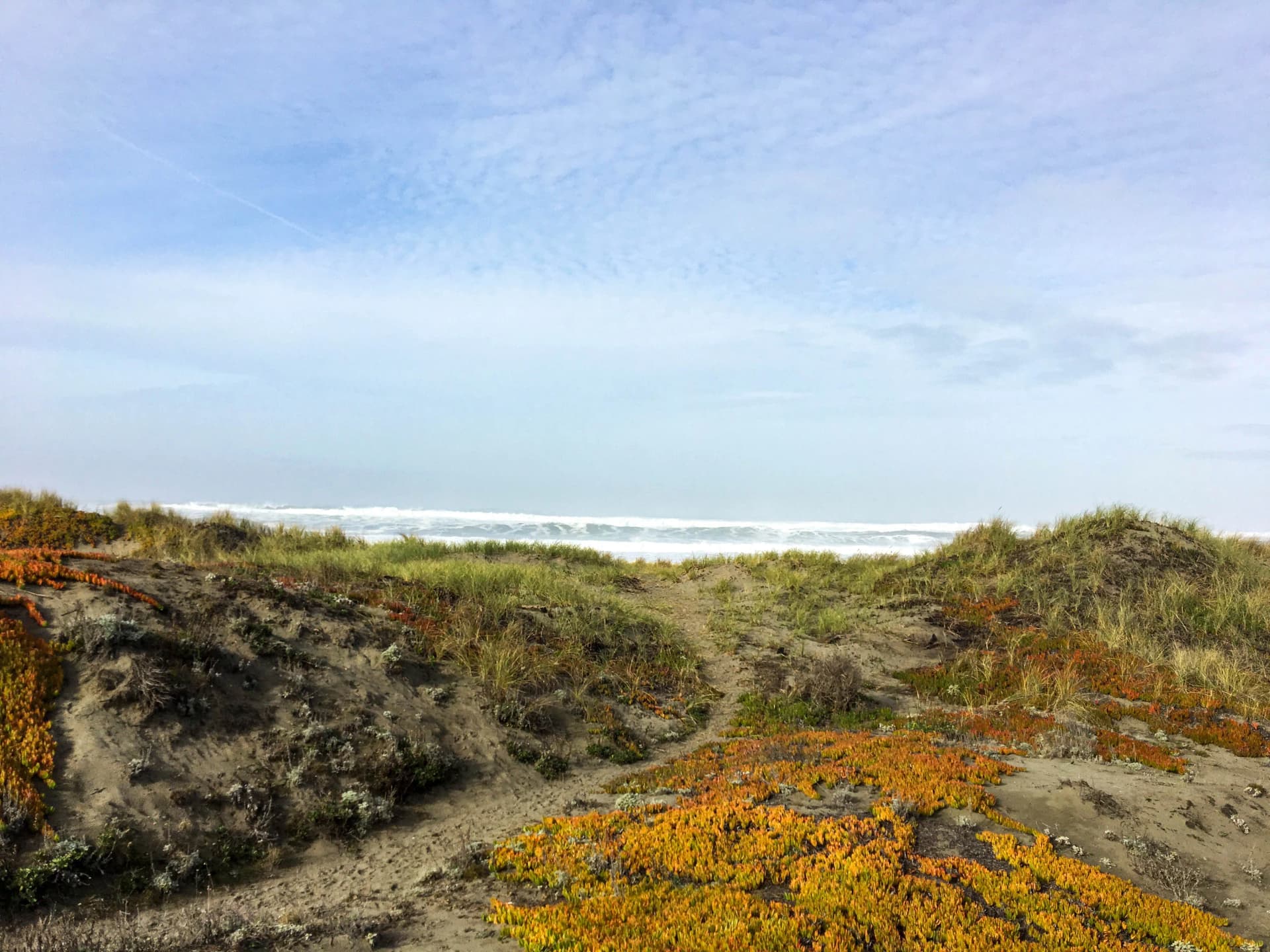
Local documents identify Ammophila arenaria, Carpobrotus edulis, and Spartina densiflora as major invasive plants in Humboldt County dune and wetland systems. U.S. Fish and Wildlife Service materials identify Carpobrotus edulis as invasive in Humboldt Bay dunes and wetlands, and a 2018 Coastal Conservancy project targeted Spartina densiflora in the Mad River Estuary and the Eureka Slough Unit of the refuge.
A 2026 report estimates California has lost more than half of its coastal sand dunes over the last 165 years, and that 60% of the state’s coastal sand dune systems present in the mid-1800s have disappeared due to urban development, land-use changes, and erosion.
What to do differently when you visit
The practical side of dune protection starts with access rules. The Lanphere Dunes Unit is access by permit only, which reflects how fragile the habitat is and how carefully the refuge manages disturbance. If you are headed into dune areas managed by the refuge or local partners, treat the surface as living habitat, not open sand for wandering.
There is also a simple way to keep invasive species from spreading: clean your gear. Invasive species can travel on gear and pets, and mud, seeds, and plant debris can hitch a ride into native ecosystems. Brushing off shoes, clothing, backpacks, bikes, and pet fur before and after a visit reduces the chance that a new patch of invasive seed gets dropped into a restoration area.
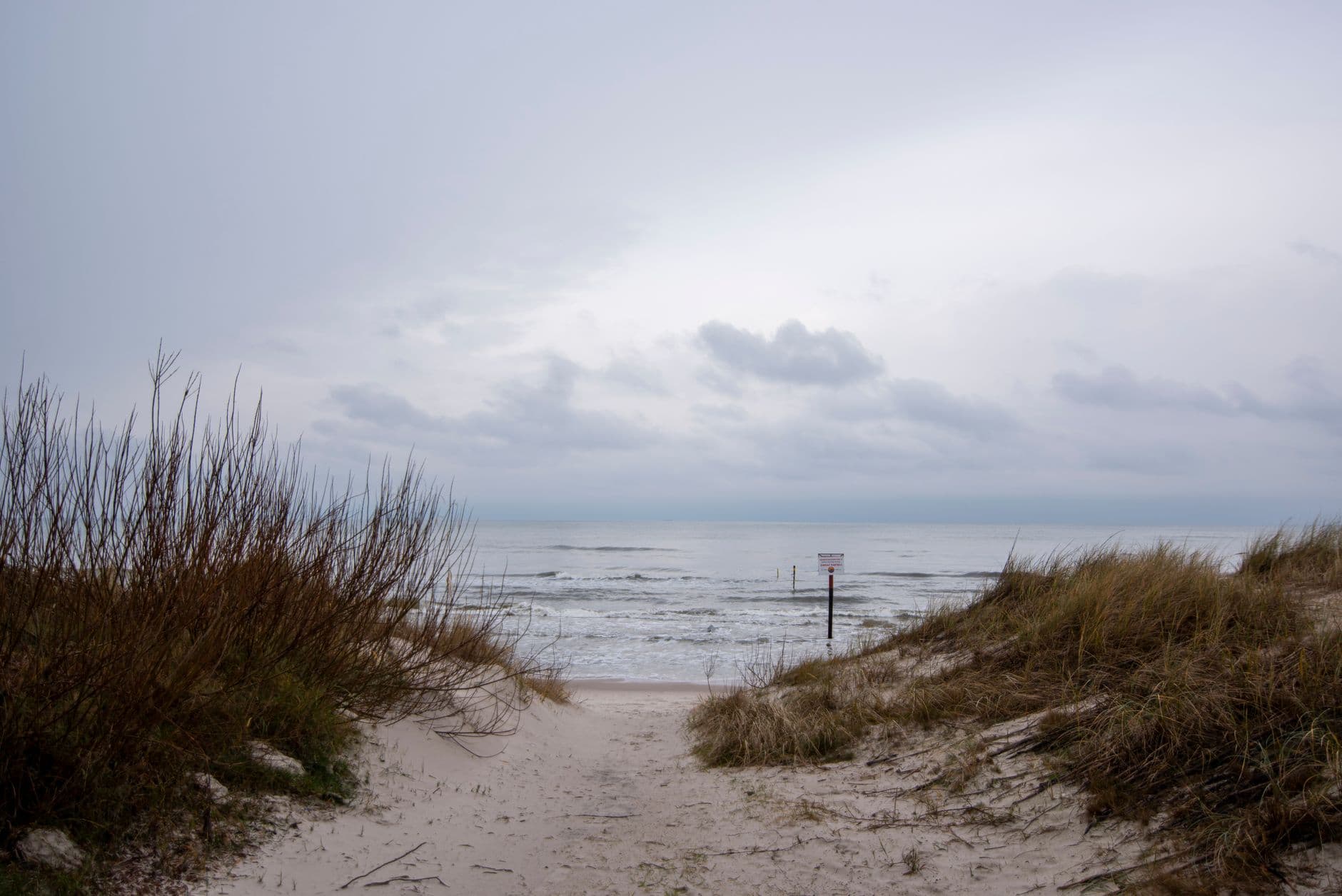
A few habits make a difference in fragile dune country:
- Use only permitted access points, especially in refuge units where access is limited.
- Brush mud, seeds, and plant debris off boots, tires, and gear before leaving one site and entering another.
- Stay out of restored or actively managed dune patches so new vegetation can take hold.
This article was produced by Prism’s automated news system from verified source data, official records, and press releases, then run through automated quality and moderation checks before publishing. The system is built and supervised by the people who set the standards it runs under. Read our full AI policy.
Did this article answer your question?