What to do if you find a stranded marine mammal on the North Coast
Do not touch a stranded marine mammal. Call the right North Coast hotline, back away 100 yards, and let trained responders protect both you and the animal.
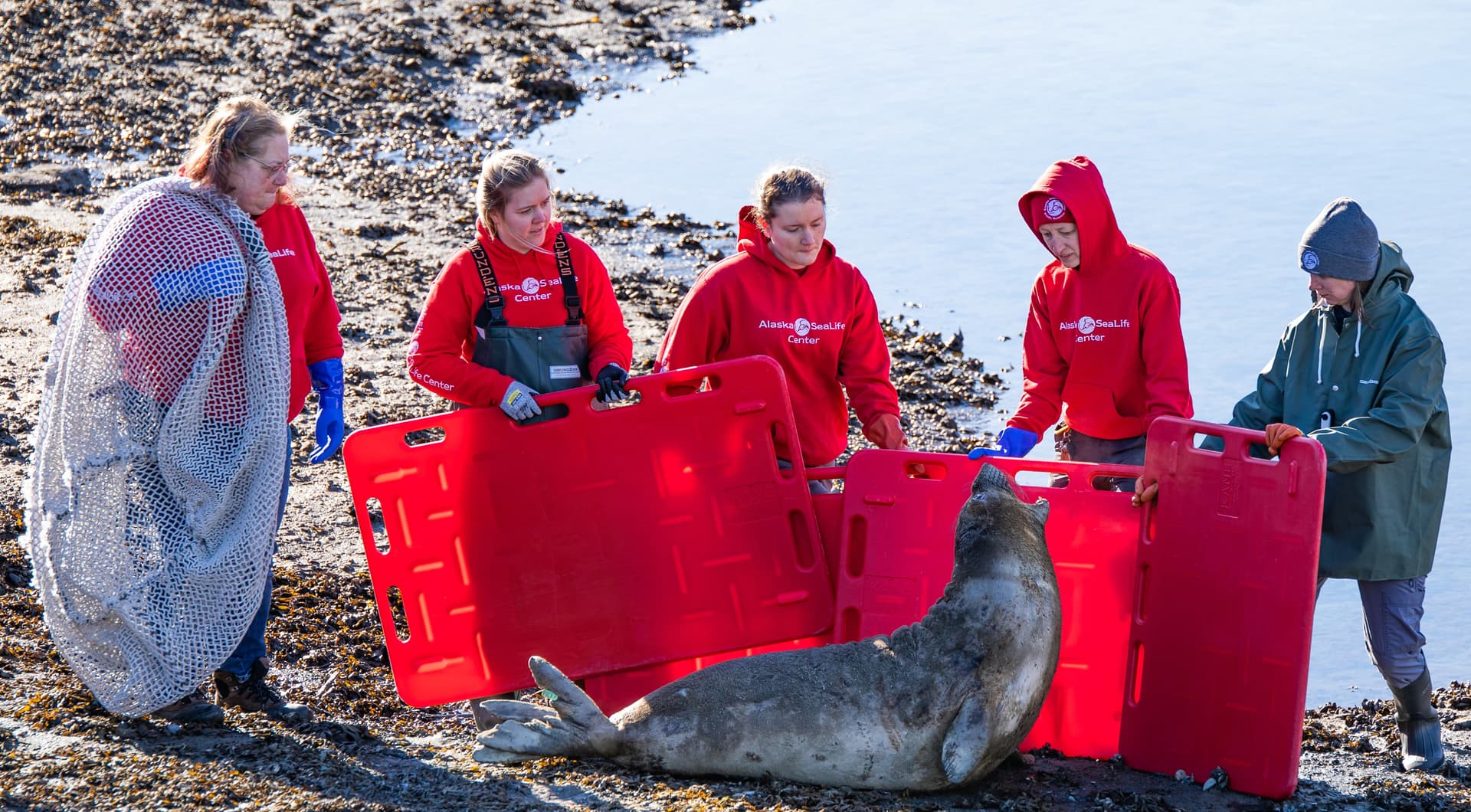
Do not touch, move, feed, or push a stranded marine mammal back into the water. On the North Coast, the safest response is distance first, because the animal may be sick, injured, carrying disease, or simply resting with a mother that is still nearby.
The first step: stop, back up, and keep pets away
NOAA says people should stay at least 100 yards away from marine mammals and keep dogs 100 yards away too. That distance matters on crowded Humboldt and Del Norte beaches, where a curious crowd or an off-leash dog can turn a wildlife sighting into a safety problem fast. Marine mammals are protected under the Marine Mammal Protection Act, so handling, feeding, moving, or harassing them is not just risky, it is also not allowed.
The danger runs both ways. Sick or injured animals can bite, strike, or spread zoonotic disease, while well-meaning people can separate a pup from its mother, worsen an injury, or force a tired animal back into the surf. In a region where beach walks, dog outings, and visitor traffic are part of daily life, the best public-safety move is often the one that feels least active: give the animal space and call for help.
Who to call on the North Coast
The right number depends on what you are seeing.
- If the animal is dead, call Cal Poly Humboldt’s Marine Mammal Stranding Program at 707-826-3650 or 707-498-6200.
- If the animal is alive, injured, or sick in Del Norte or Humboldt counties, call the Northcoast Marine Mammal Center at 707-951-4722.
- If you are unsure, or if the case may be broader than a local response, NOAA’s West Coast hotline is 1-866-767-6114.
That split response exists for a reason. Cal Poly Humboldt’s program is NOAA’s designated stranding authority on the North Coast, which means it is the official local organization tasked with tracking marine mammal mortalities and health events. The Northcoast Marine Mammal Center handles live stranded, sick, and injured animals on the northern California coast, mostly young seals and sea lions from its Crescent City facility.
Why the local system matters
The North Coast sees a steady flow of marine mammal incidents, not rare one-off rescues. NOAA says there are hundreds of stranded-mammal reports every year across Washington, Oregon, and California, and the Northcoast Marine Mammal Center says it rescues between 40 and 120 stranded marine mammals in an average year. Those numbers show why this is a service system, not a bystander problem.
Dr. Dawn Goley, who directs the Cal Poly Humboldt program, says students and volunteers monitor roughly 110 kilometers of beach every month and respond when members of the public call in sightings. The program’s coverage stretches from Crescent City down to Shelter Cove, with community hubs in tribal and rural areas to improve outreach and response. That reach matters in a county where coastline, small towns, and remote stretches of sand can make it hard for one agency to see everything without help from beachgoers.
What responders do after you call
A trained response is more than a rescue truck arriving on the sand. Goley says the team collects standardized data on species, age, size, and signs of disease, and sometimes performs necropsies to learn what killed an animal or whether a broader health issue may be affecting the population. The goal of the Cal Poly Humboldt Marine Mammal Stranding Program is to scientifically investigate every stranded marine mammal in northern California, while also advancing science, education, and public awareness with neighboring stranding programs.
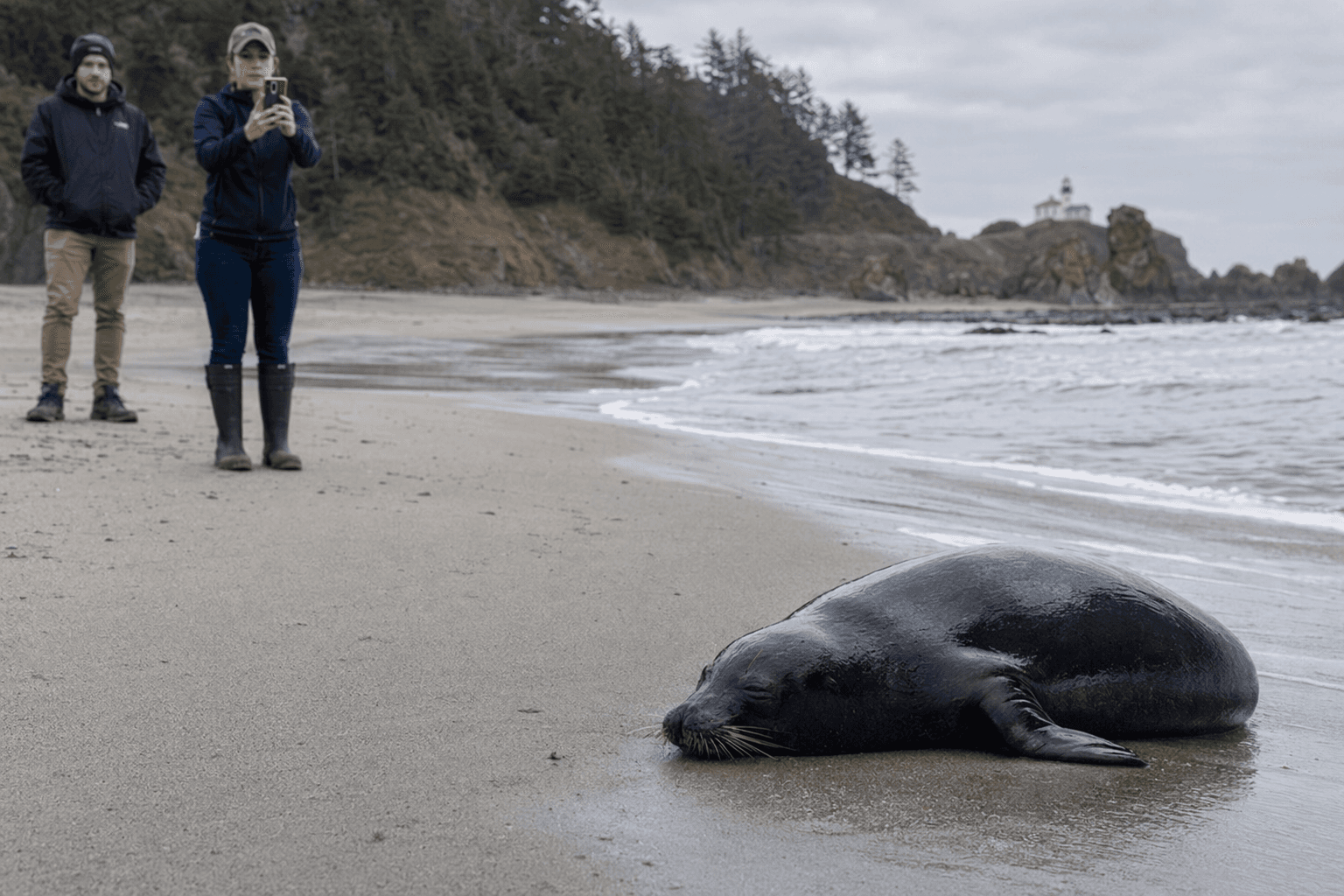
That science piece is easy to overlook when someone is standing at the edge of the surf watching a seal or whale. But every report can help document unusual mortality, track disease, or reveal where animals are getting entangled. In practice, one beach call can become part of a much larger picture of coastwide marine health.
Why May demands extra caution
May is the peak of harbor seal pupping season, and that makes stranded-looking pups especially easy to misread. NOAA says harbor seal pupping timeframes vary along the West Coast, and California pups can be born outside the typical window in unusual cases. A pup lying alone on the beach is not automatically abandoned.
Mother seals often leave pups in one place while they forage, and if people move too close, that can prevent reunification. The safest response is to watch from a distance, keep dogs leashed and back, and call the correct hotline rather than trying to decide on the beach whether the pup needs saving. A healthy-looking seal pup can still be exactly where it should be.
What not to do while waiting for help
If you are first on scene, a few simple rules can prevent a bad situation from getting worse.
- Do not crowd the animal for photos.
- Do not try to push it into the water.
- Do not feed it.
- Do not pour water on it or cover it with blankets unless responders tell you to.
- Do not let children or pets approach.
Those steps are especially important on busy beaches near Arcata, Eureka, McKinleyville, Fortuna, Trinidad, or the more remote shoreline toward Shelter Cove and Weitchpec, where a single sighting can draw a cluster of people within minutes. The urge to help is understandable, but the correct help is a phone call and a safe perimeter.
A coastal habit that protects people and wildlife
The North Coast’s marine mammal response network is built for exactly the kind of scene locals and visitors encounter every season: a seal on the sand, a sick sea lion near the rocks, or a dead animal washed up after a storm. California State Parks repeats the same basic message for wildlife emergencies, and NOAA’s guidance is clear: the public should not touch, move, or feed marine mammals, and should keep both people and pets back.
That makes stranded animals more than a wildlife story. They are a reminder that beach safety, public health, and conservation can all hinge on a few seconds of restraint. On the Humboldt and Del Norte coast, the right instinct is not to intervene first. It is to step back, keep the shoreline clear, and let the local stranding system do what it was built to do.
This article was produced by Prism’s automated news system from verified source data, official records, and press releases, then run through automated quality and moderation checks before publishing. The system is built and supervised by the people who set the standards it runs under. Read our full AI policy.
Did this article answer your question?