Crystal Falls schedules hearing on major water project, lead line replacement
Crystal Falls will hear plans May 11 for a water overhaul that would replace all 17 remaining lead service lines and rebuild key mains on U.S. Hwy 2.
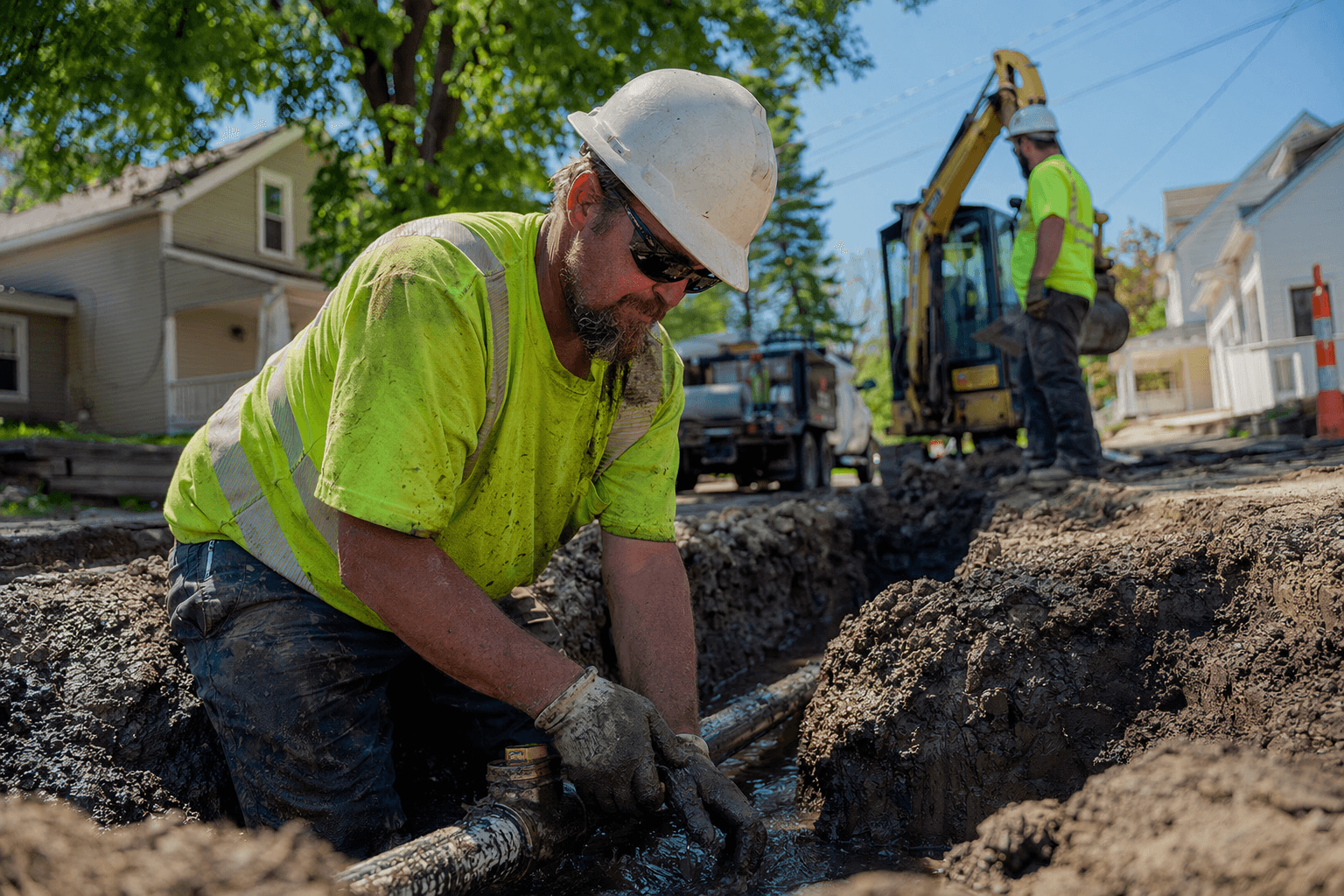
Aging water mains, a new chlorination station and Crystal Falls’ last 17 known lead service lines could soon shape what residents pay for water, how reliably taps run and how well the city can protect homes and businesses when demand spikes.
The Crystal Falls City Council voted unanimously in April to set a public hearing for Monday, May 11, during the regular council session. That hearing will let residents review engineering plans and projected costs before the city submits its final application to the Michigan Department of Environment, Great Lakes and Energy through the Drinking Water State Revolving Fund.
The proposal reaches well beyond a simple pipe swap. It would replace the water main along U.S. Hwy 2 from North 5th Street to North 6th Street, improve the city’s elevated storage tank, add a new chlorination station building and install water sampling pits at three locations so the Department of Public Works can monitor water quality more closely. In a city of 1,598 people, each of those pieces can affect daily life, from pressure and reliability at the tap to the kind of service businesses need along Crystal Falls’ main corridor.
The lead line replacement may be the most consequential part of the package. All 17 remaining known lead service lines in Crystal Falls would be replaced, making the project a public health issue as well as an infrastructure one. Michigan’s Lead and Copper Rule requires public water supplies to replace lead and galvanized previously connected to lead service lines at the water supply’s expense, and since January 2021, community water supplies with those lines must replace them within 20 years. Statewide, Michigan reported 24,521 lead and GPCL service lines replaced in 2024.
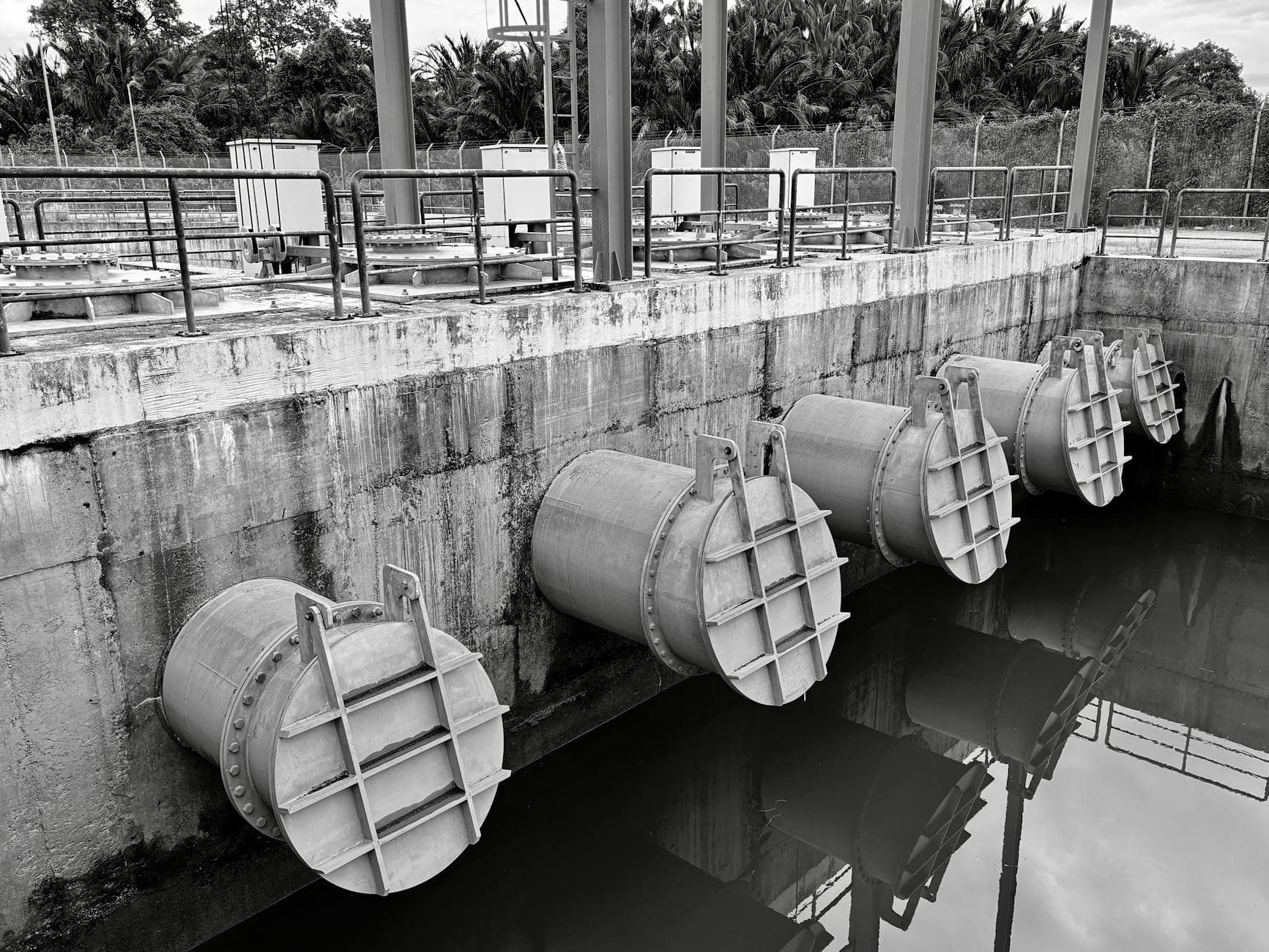
EGLE says the Drinking Water State Revolving Fund is designed to help water suppliers meet Safe Drinking Water Act requirements and address environmental or public health concerns, often through low-interest loans. For Crystal Falls, the May 11 hearing is the practical moment when residents can press city leaders on financing, final scope and whether any relief will be built into the project’s cost.
Those questions come against a familiar backdrop. A February report said Crystal Falls had already approved graduated water-rate increases tied to another infrastructure loan for work on Wagner Street and Fairbanks Road, where the total estimated cost was just more than $4 million. That history makes the price of another major utility project a direct household concern, especially if borrowing costs land on local bills.
The water discussion also came as the city weighed other changes, including a site plan for a coming Kwik Trip, progress on a 68-unit housing development by S.C. Swiderski and MDOT’s plan to repave U.S. Hwy 2 from Urban Avenue to Hwy 141 in June. Taken together, the projects show a small Iron County seat trying to modernize at several fronts at once, with the water system now at the center of the load.
This article was produced by Prism’s automated news system from verified source data, official records, and press releases, then run through automated quality and moderation checks before publishing. The system is built and supervised by the people who set the standards it runs under. Read our full AI policy.
Did this article answer your question?