Iron River siren stays at historic City Hall after relocation debate
Iron River kept its outdoor warning siren at 106 W. Genesee Street, avoiding a move that had climbed toward $15,000 and would have put it closer to homes.

Iron River’s outdoor warning siren will stay atop the historic City Hall on Genesee Street, preserving a familiar alert for fires, severe weather and curfews while the city continues its move to a new headquarters on West Adams.
City Manager Rachel Andreski told the Iron River City Council that Rocky Denha, who bought the historic City Hall property, agreed to let the siren remain in place. That ended a months-long debate that had been building since April 2025, when council members tabled the issue until Andreski could get a relocation quote from West Shore Services, Inc.
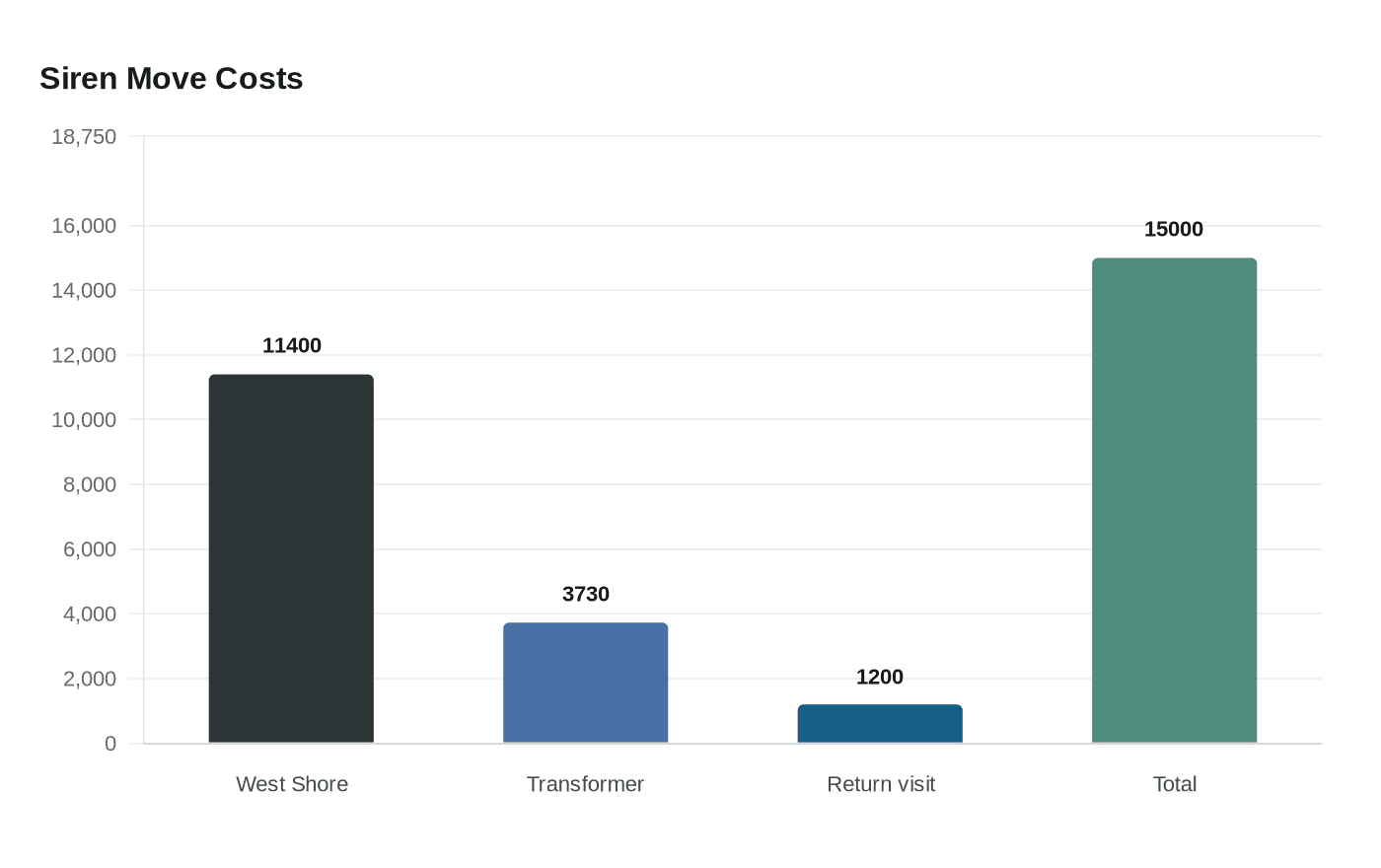
The cost of moving the siren quickly became the sticking point. West Shore Services quoted $11,400 for the relocation, but that figure did not include a Class 2 50-foot utility pole from UPPCO or a $3,730 replacement transformer rectifier needed because the existing unit had deteriorated. The April 9 special meeting memo also said the city would need an electrician on site, a separate UPPCO meter and permitting, with another $1,200 possible if West Shore Services had to return later to finish the work. Once those extras were added, the price approached $15,000.
That number raised questions from council members about whether the relocation still made sense. Mayor Rodney Dood said he believed the siren was no longer needed, while Councilmember Martha Burdick suggested the money might be better used for police squad-car computers. The compromise with Denha gave the city a way to keep the warning system without taking on the extra cost or creating another maintenance burden for the West Iron County Volunteer Fire Department, which pays for annual upkeep.
Andreski said Fire Chief Jim Mylchreest was relieved, because the added expenses would have strained the department. She also said leaving the siren at 106 W. Genesee Street avoids possible noise complaints. The unit operates at more than 135 decibels, and a move would have placed it closer to residences near the new city hall site.
The decision came as Iron River was already managing a broader government transition. The April 15 council agenda included a new business item for a new polling location at the new city hall, showing the headquarters move was happening at the same time the siren issue was being settled.
For a volunteer department covering 575 square miles in the Upper Peninsula, the siren remains one part of a wider emergency alert picture, not a replacement for modern communications. National Institute of Standards and Technology guidance says sirens are mainly designed to warn people outdoors, while communities often pair them with other notification methods. In Iron River, the result is a familiar warning tool staying in a familiar place, with the city avoiding a costly move and preserving emergency coverage where residents have long expected to hear it.
This article was produced by Prism’s automated news system from verified source data, official records, and press releases, then run through automated quality and moderation checks before publishing. The system is built and supervised by the people who set the standards it runs under. Read our full AI policy.
Did this article answer your question?