Dragonfly Store in Caspian blends nostalgia, service and family history
Dragonfly Store is more than a shop in Caspian. It is a family-run draw that turns browsing into repeat visits, supports downtown foot traffic and keeps local memory alive.
A family store with a local pull
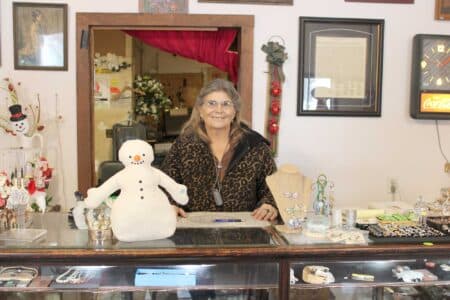
Dragonfly Store has quickly become one of Caspian’s more distinctive small businesses because it offers more than merchandise. Since opening in October 2024, the shop has functioned as a gathering place built around conversation, memory and the surprise of finding something unexpected, which gives it a role that reaches well beyond a normal retail stop. In a town like Caspian, that matters because a store that brings people in, keeps them lingering and sends them back again helps support the kind of everyday foot traffic downtowns depend on.
The business is owned by sisters Starr Ferrara and Crystal McClelland, and that family connection is central to how the store operates. Rather than trying to imitate a chain retailer, the sisters have built a place that feels personal and rooted in Iron County life. That identity gives Dragonfly Store an advantage that is hard to measure in sales alone: it becomes a destination where customers are not just buying something, they are stepping into a story that feels connected to their own.
Built from family history, not just inventory
The store’s emotional anchor comes from their mother, Roxanne Goodney, whose long history of collecting helped shape the shop’s personality. Goodney also spent time as co-owner of The Laughing Loon Emporium in Iron River, another detail that ties Dragonfly Store to a broader local tradition of small, independent retail. That background matters because it gives the Caspian shop a sense of continuity at a time when many communities have seen local storefronts replaced by more impersonal shopping options.
That family history is part of what makes Dragonfly Store feel durable. It is not just a business built around a trend or a passing aesthetic; it reflects years of collecting, repurposing and understanding what people in the area actually enjoy discovering in a store. For customers, that often translates into a more rewarding shopping experience, one that feels less like a transaction and more like a visit to a place with memory attached to it.
What you can find inside
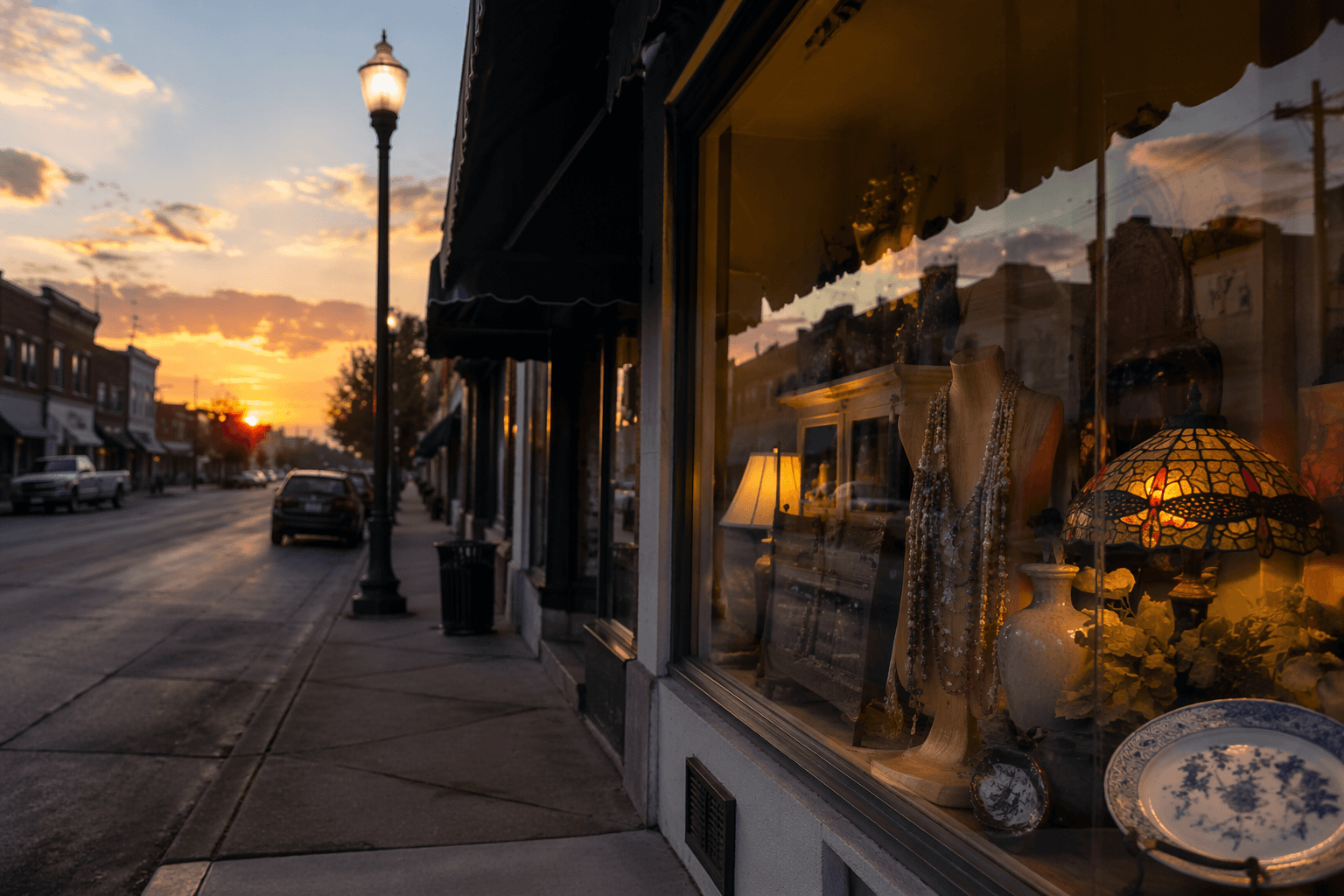
The shop’s inventory is broad enough to draw different kinds of shoppers, which helps widen its reach in a small market. Visitors can browse antiques, collectibles, clothing, décor, art, jewelry, furniture and dragonfly-themed merchandise, a mix that gives the store both practical and whimsical appeal. That variety makes Dragonfly Store useful as both a browsing stop and a place for destination retail, where the value is in discovering something unusual that is not easy to find elsewhere.
The eclectic mix also helps the store serve multiple kinds of local demand at once. Some customers may come in looking for a specific collectible or piece of furniture, while others may be drawn by jewelry, décor or a gift item. In a rural retail environment, that kind of flexibility matters because it increases the odds that a visit turns into a sale, and that a sale turns into a return trip.
Service is part of the business model
One reason Dragonfly Store has built loyalty so quickly is the way it treats customer requests. Ferrara keeps a running list of collectors looking for specific items and reaches out when those pieces arrive, a personal touch that large retailers cannot easily replicate. That kind of follow-through is important in a shop centered on antiques and collectibles, where repeat customers often come back because they trust the owners to remember what they are hunting for.
That service model has broader economic value too. It encourages repeat visits, which helps sustain local foot traffic and increases the odds that a customer will also spend time at other businesses nearby. In that sense, a store like Dragonfly Store does more than sell items off shelves. It helps keep people coming downtown, and that activity supports the wider commercial life of Caspian.
The family labor behind the counter
The store’s operation also reflects the reality of many small businesses in Iron County: family labor makes the business work. Ferrara’s husband, Vince, helps on Wednesdays, underscoring how much of the store’s day-to-day life depends on people close to the owners stepping in where needed. That is a practical detail, but it is also a reminder of how small shops often survive through flexibility, shared responsibility and long hours that would be difficult to sustain without family involvement.
Hours are set for Wednesday through Saturday, from 10 a.m. to 4 p.m., though the schedule can shift. Updates are posted on Facebook, which gives shoppers a way to stay current before making the trip. For a rural shop, that kind of communication is especially useful because it helps avoid wasted trips and makes the store feel accessible even when the schedule changes.
Why Caspian needs places like this
Dragonfly Store fits into the local economy in a way that is easy to overlook if the focus stays only on nostalgia. The shop matters because it helps create reasons for people to stop in Caspian, stay in town and come back later. In small communities, that cycle is valuable: a business that generates browsing traffic, repeat customers and conversation can strengthen downtown vitality even if it is modest in size.
It also gives residents a place where shopping and memory overlap. People can browse antiques, compare collectibles, talk about family pieces or simply enjoy the sense of finding something rare close to home. That destination-retail appeal is part of the store’s strength, especially in a place where independent shops need to give customers a reason to leave the highway and spend time downtown.
Growing into the future
The owners are still investing in the shop’s visibility, with plans for new signage and an additional sidewalk sign. Those updates may sound simple, but in a small town they can make a meaningful difference by helping passersby notice the store and turn curiosity into a visit. Signage is often the first step in building a stronger customer base, especially for a shop that depends on walk-ins as much as loyal regulars.
Dragonfly Store’s early success suggests that Caspian responds to businesses that combine personality with practical value. The shop gives the community a place to browse, remember and discover, while also supporting the kind of day-to-day economic activity that keeps a downtown alive. That combination of family history, attentive service and local draw is what makes the store more than a retail stop and more than a nostalgic idea. It is a small-business asset with real weight in Iron County.
This article was produced by Prism’s automated news system from verified source data, official records, and press releases, then run through automated quality and moderation checks before publishing. The system is built and supervised by the people who set the standards it runs under. Read our full AI policy.
Know something we missed? Have a correction or additional information?
Submit a Tip