Forest Park track record links three generations of women athletes
Audrey Williams’ 800-meter record broke a 47-year mark, but it also revived Forest Park’s girls track history and the women who built it.
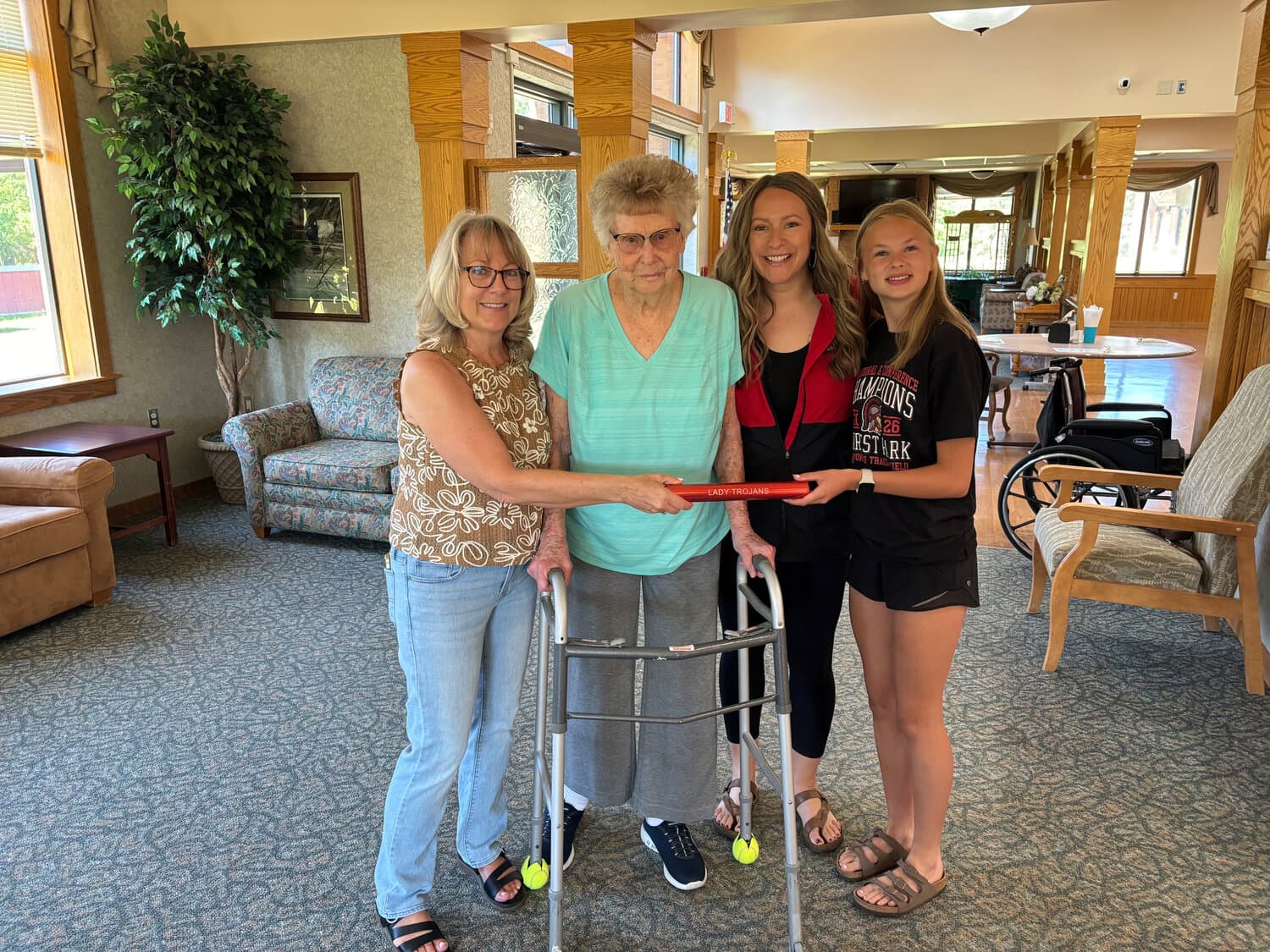
Audrey Williams did more than lower a school record when she ran 2:25.22 in the 800 meters at the Kingsford Booster Club Track Invitational on May 11, 2026. Her time broke a Forest Park mark that had stood since 1979, when Sandy (Ball) Kleckner set the previous standard at the Upper Peninsula Finals in Marquette. That one race now links three generations in Crystal Falls: the runner who set the mark, the coach who helped create the program, and the sophomore who moved it forward.
A record that still reaches back
The new Forest Park 800-meter record is not just a line in a results table. It is a clean handoff across eras, with Audrey Williams’ 2:25.22 replacing Kleckner’s 47-year-old mark and placing a current athlete inside the school’s longer memory. The record’s path matters because it shows how a number can carry the work of different decades, from the first girls who wanted a place on the track to the athletes now racing under a more established program.
Sandy (Ball) Kleckner’s name still matters because she was the athlete who set the previous standard in 1979, and she understood what it meant to see it fall. So did Nancy Anderson, who coached her nearly a half-century ago and remains a living link to the era when Forest Park girls track was still being built. The moment gave Crystal Falls something larger than a new best time: it created a visible chain of athletic memory that stretches from the Upper Peninsula Finals in Marquette to the Kingsford meet this spring.
The coach who had to fight for a team
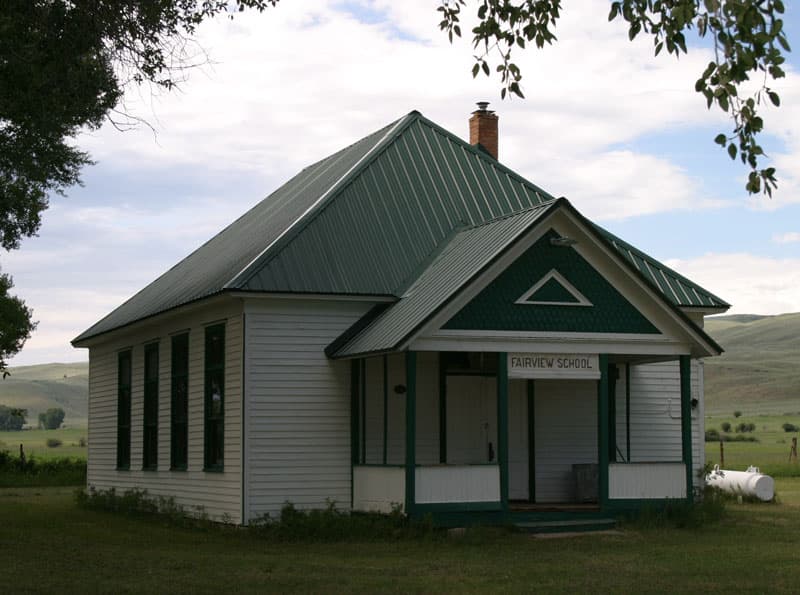
Nancy Anderson arrived in Crystal Falls in 1960 to teach physical education after four years in the United States Navy. When she got here, girls athletics existed in pieces rather than as a full track pipeline. Forest Park had basketball and intramural volleyball, but girls who wanted to run did not yet have their own track program.
Anderson said she went to the Forest Park school board to ask for a girls track team because she believed girls deserved the chance to participate. At the time, the board thought the boys team was enough. She described making a nervous presentation before the team was approved, and the girls track program was started in the 1970s. That detail changes the way the record looks today: the current achievement sits on top of a fight that had to be won before the first relay baton was ever passed.
Anderson coached girls track for more than a decade and took teams to the Upper Peninsula Finals multiple times. Her influence was not limited to a single season or a single runner. It shaped the expectations of what Forest Park girls could do, which is why Audrey Williams’ record can be read as part of a much longer institutional story, not just one spring result.
What changed for girls athletes in Crystal Falls
The clearest change over three generations is access. Anderson’s early description of Forest Park makes that plain: boys track existed, but girls who wanted to run had to wait for the school to recognize that desire as its own program. Today, Audrey Williams can train, race and produce a school record within an established competitive structure that includes school records, invitational meets and a statewide results system that tracks individual performances.
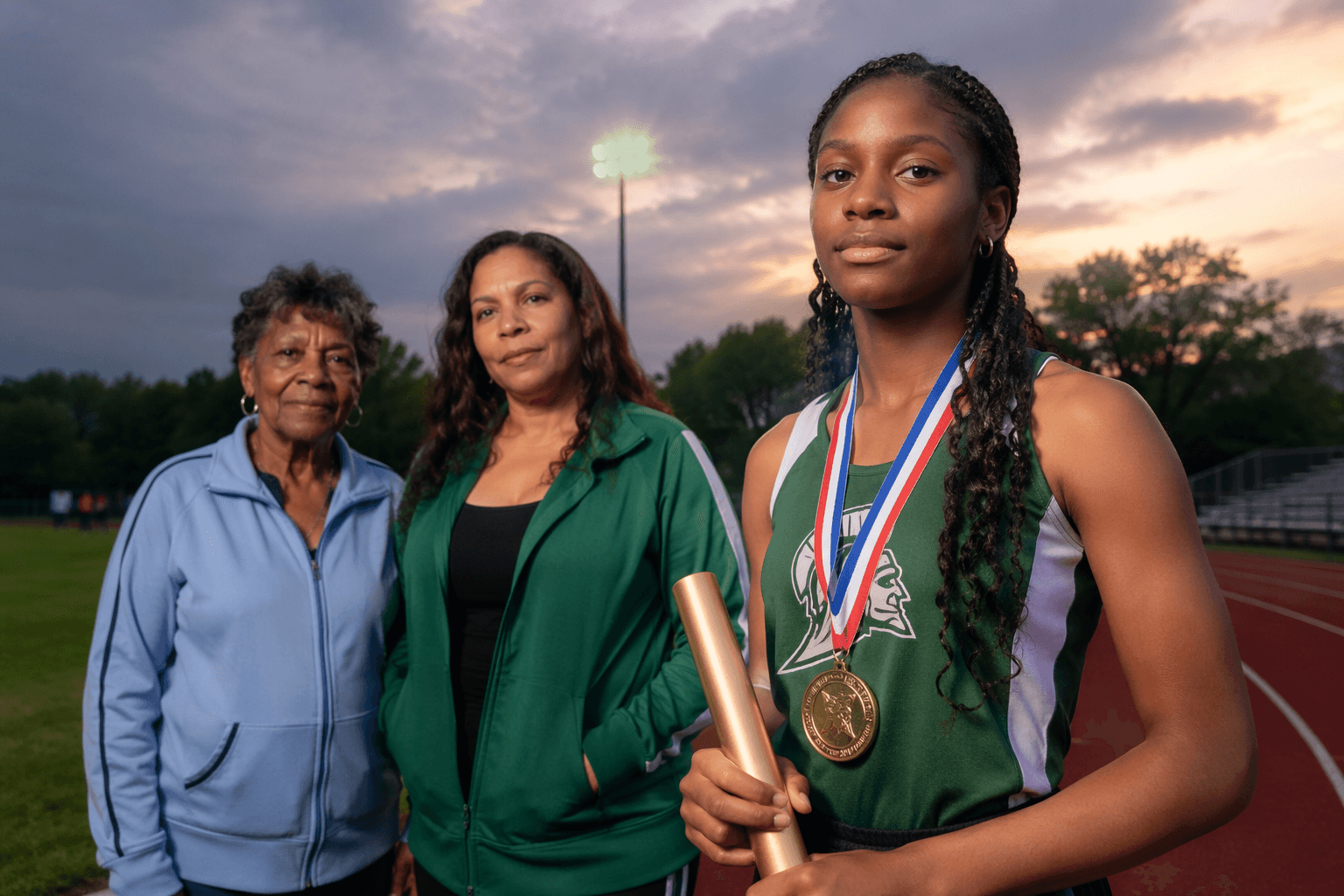
Expectations have changed too. A 47-year record used to sit as a distant benchmark, but the modern athletic environment makes those marks more visible and more contestable. Athletic.net lists Williams’ outdoor season best at 2:25.22 and attaches it to the May 11, 2026 meet result, turning the performance into a public reference point rather than a memory preserved only in a coach’s notebook or a newspaper clipping. That visibility helps today’s athletes see exactly what they are chasing and how far the program has moved.
Support has broadened as well. Anderson had to make the case to start girls track at all; now the program is part of a wider local and state framework that records results, preserves history and recognizes girls track-and-field achievements. That does not erase the effort required from athletes and coaches, but it does mean today’s runners are competing within a system that is more ready to keep their marks in the record book.
Why old records are harder to lose than they look
The Forest Park story also points to a broader preservation problem in Michigan track history. The Michigan High School Athletic Association says all imperial-yard running-event records in girls track and field have been retired, a reminder that record keeping itself changes as the sport changes. When old events disappear, the historical thread can become harder to follow unless somebody keeps the paper trail alive.
That is where MICHTRACK comes in. The project says it is dedicated to preserving Michigan track and cross-country history, and it notes that pre-Athletic.net results are often hard or impossible to find. Its archive includes original results, clippings, newsletters and feature articles, the kind of material that keeps older performances from slipping away when databases begin where the digital era begins. For a place like Forest Park, that matters because the most meaningful record is often the one that connects a current athlete to a name from decades ago.
A local mark with a broader lesson
In Iron County, a school record can be more than a statistic on a wall. Audrey Williams’ 800-meter time now sits beside Sandy (Ball) Kleckner’s 1979 mark and Nancy Anderson’s push to create the girls program that made both performances possible. The three names belong to different moments, but together they show how opportunity in Crystal Falls was built, defended and eventually inherited.
That is why this record lands the way it does. It is a performance result, but it is also a map of how girls athletics changed at Forest Park: first by asking for access, then by building a team, and now by producing athletes whose marks are good enough to rewrite school history.
This article was produced by Prism’s automated news system from verified source data, official records, and press releases, then run through automated quality and moderation checks before publishing. The system is built and supervised by the people who set the standards it runs under. Read our full AI policy.
Know something we missed? Have a correction or additional information?
Submit a Tip