Iron County Emergency Contacts and Safety Steps for Winter Weather Events
When winter hits Iron County hard, knowing who to call and what to do first can mean the difference between safety and crisis.
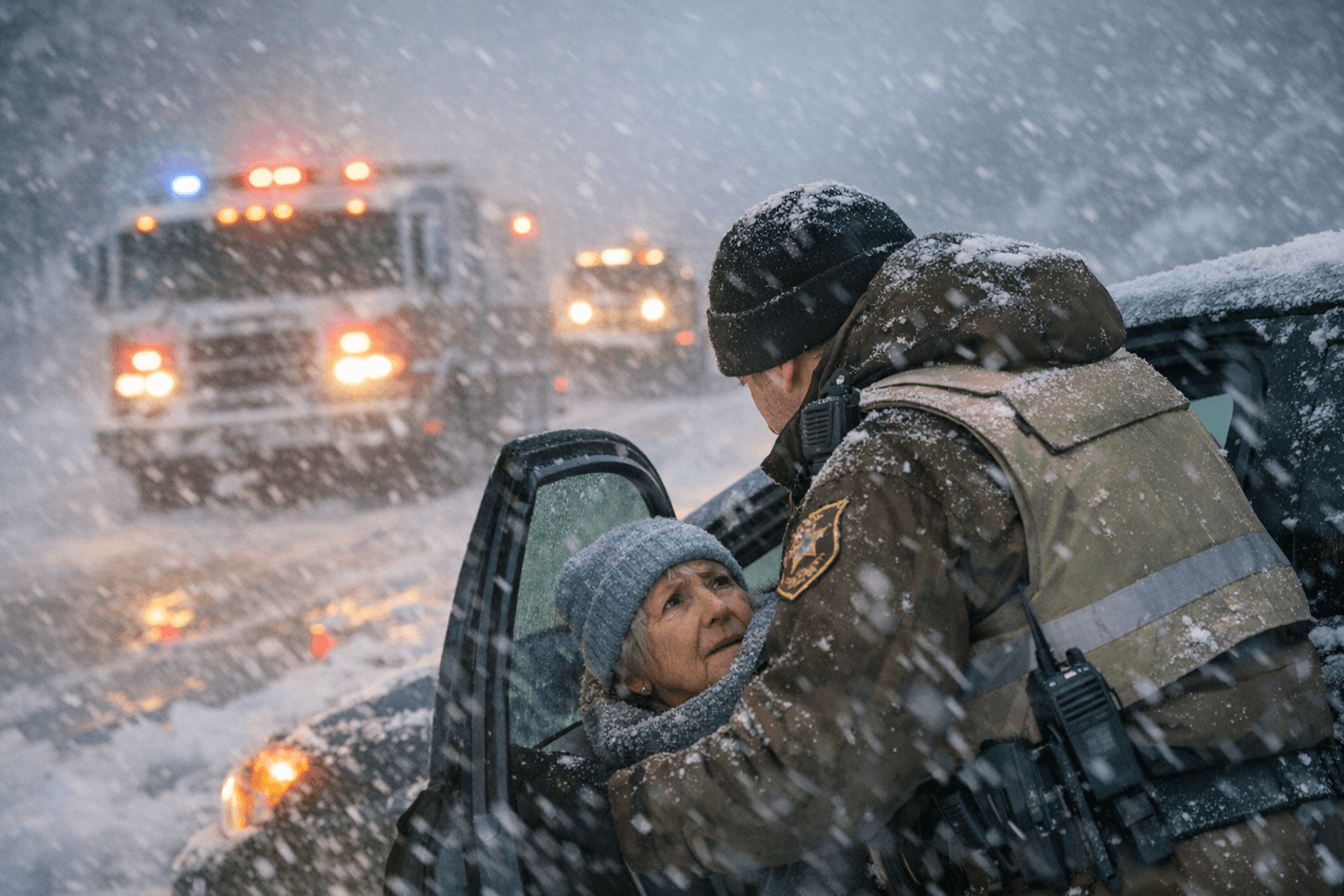
Winter in Iron County is not a seasonal inconvenience; it is a recurring public-safety challenge. The Upper Peninsula's geography and climate combine to produce some of the most punishing cold, snow, and ice conditions in the Midwest, and when a major storm moves through, the gap between residents who are prepared and those who are not becomes dangerously clear. This guide compiles the emergency contacts, health-care access points, and critical response steps Iron County residents need to have within reach before the next storm arrives.
Know Your First Call: Emergency and Law Enforcement Contacts
For any life-threatening situation, the answer is always 911. The Iron County Central Dispatch center handles emergency calls for law enforcement, fire, and emergency medical services across the county, routing responders whether you are in Crystal Falls, Iron River, Stambaugh, or in a rural township far from either city. Do not hesitate to call 911 if a situation is escalating: a vehicle in a ditch in subzero temperatures, a carbon monoxide concern after a generator is brought indoors, or a medical emergency complicated by road closures all qualify.
For non-emergency situations that still require a law enforcement response, contact the Iron County Sheriff's Office directly. During winter weather events, the Sheriff's Office also coordinates road condition information and can advise on whether certain county roads are passable. The Michigan State Police, through their Crystal Falls post, provides an additional layer of law enforcement coverage for state highways and trunklines cutting through the county.
Health Care Access in Iron County
Iron County Medical Care Facility serves as the county's primary long-term care institution, but for acute medical needs during a weather emergency, Aspirus Iron River Hospital is the critical access hospital serving the region. Located in Iron River, Aspirus provides emergency department services around the clock. If roads are compromised and you or someone nearby is experiencing a medical emergency, calling 911 and requesting an ambulance remains the safest course of action rather than attempting to drive in dangerous conditions.
For less urgent medical concerns, the Upper Peninsula Health Plan and local clinics connected to the Aspirus network offer outpatient services. Pharmacies in Iron River, including those connected to major chains with after-hours phone lines, can advise on medication emergencies when a clinic visit is not immediately possible. Keep a several-day supply of essential prescriptions on hand entering winter, particularly if you live on a road that drifts shut after heavy snowfall.
Before the Storm: Steps to Take Now
Preparation before a storm warning is issued determines how safely you will get through the event itself. A few critical actions to complete ahead of any major winter weather:
- Confirm your home address is clearly marked with visible numbers so emergency responders can locate you quickly, even in low-visibility conditions.
- Stock a minimum 72-hour supply of water, non-perishable food, and any prescription medications.
- Test smoke and carbon monoxide detectors, replacing batteries if needed. Generator use indoors is a leading cause of carbon monoxide poisoning during power outages.
- Identify a neighbor, particularly one who is elderly or lives alone, to check on during and after the storm.
- Keep a winter emergency kit in your vehicle: blankets, a small shovel, sand or kitty litter for traction, jumper cables, and a charged portable phone battery.
During a Winter Weather Event
When a storm is actively underway, limiting travel is the single most effective safety decision most people can make. Iron County's road commission monitors and treats county roads, but conditions on rural two-tracks and even some primary roads can deteriorate faster than crews can respond. Monitor the Michigan Department of Transportation's statewide travel map for real-time road condition updates on major routes, and check the Iron County Road Commission for information specific to local roads.
If you must travel, tell someone your route and expected arrival time. Carry that vehicle emergency kit and keep your gas tank above half-full throughout the winter season, not just when a storm is forecast. If you become stranded, stay with your vehicle: it is easier for rescuers to locate than a person on foot, and it provides meaningful wind protection.
Power outages are common during significant ice and wind events. Contact Upper Peninsula Power Company (UPPCO), which serves Iron County, to report outages and check restoration timelines. Do not assume a crew has already been dispatched; direct reporting accelerates response. If your power will be out for an extended period and you rely on electrically powered medical equipment, notify UPPCO when you set up service so your address can be flagged for priority restoration.
Carbon Monoxide: The Hidden Winter Danger
Every winter, generators, propane heaters, and even gas stoves pulled into service during outages send Michigan residents to emergency rooms. Carbon monoxide is odorless and colorless, and symptoms, including headache, dizziness, and confusion, are easy to mistake for flu. If your carbon monoxide detector sounds or if multiple people in a home begin experiencing those symptoms simultaneously, evacuate immediately and call 911 from outside the structure. Do not re-enter until emergency responders have cleared the building.
Mental Health and Warming Resources
Extended periods of isolation during severe winters take a toll that is easy to underestimate. The Upper Peninsula Community Mental Health Authority serves Iron County and provides crisis support by phone for residents experiencing a mental health emergency. For individuals without adequate heat, contact the Iron County Department of Human Services regarding emergency heating assistance through the Michigan Energy Assistance Program. Warming centers may be opened by local churches and community organizations during extreme cold events; the Iron County Sheriff's Office and Crystal Falls city offices typically have the most current information on which locations are active.
A Reference Worth Keeping
Post this information on your refrigerator, save it in your phone's notes, or keep a printed copy in your vehicle's glove compartment. Iron County winters are serious, and the residents who come through them safest are the ones who made their decisions, stocked their supplies, and confirmed their contacts before the first flake fell.
This article was produced by Prism’s automated news system from verified source data, official records, and press releases, then run through automated quality and moderation checks before publishing. The system is built and supervised by the people who set the standards it runs under. Read our full AI policy.
Did this article answer your question?