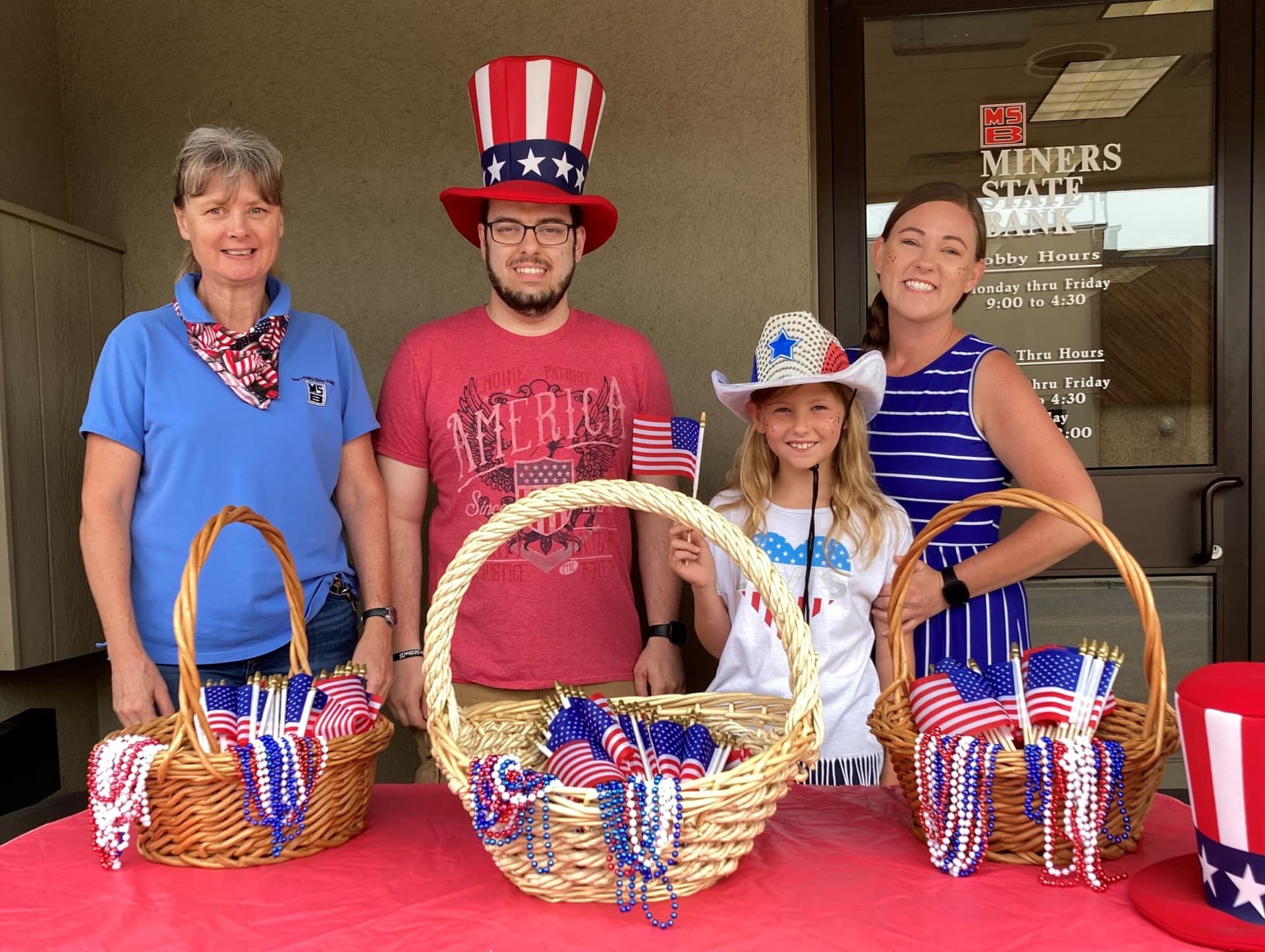
Iron River website spotlights businesses, trails and year-round recreation
Iron River’s website frames the city as a year-round hub where trails, rodeo, history and local business all feed daily life and weekend spending.

Iron River’s practical appeal goes beyond scenery
Iron River sells itself as more than a place to pass through. The city describes a community built around strong businesses, civic anchors, historic buildings and a growing medical community, a mix that matters because it supports both day-to-day life and visitor traffic. That combination gives Iron County something valuable: a small-city base where people can work, get services, spend a weekend and still find enough outdoor activity to make the trip feel complete.
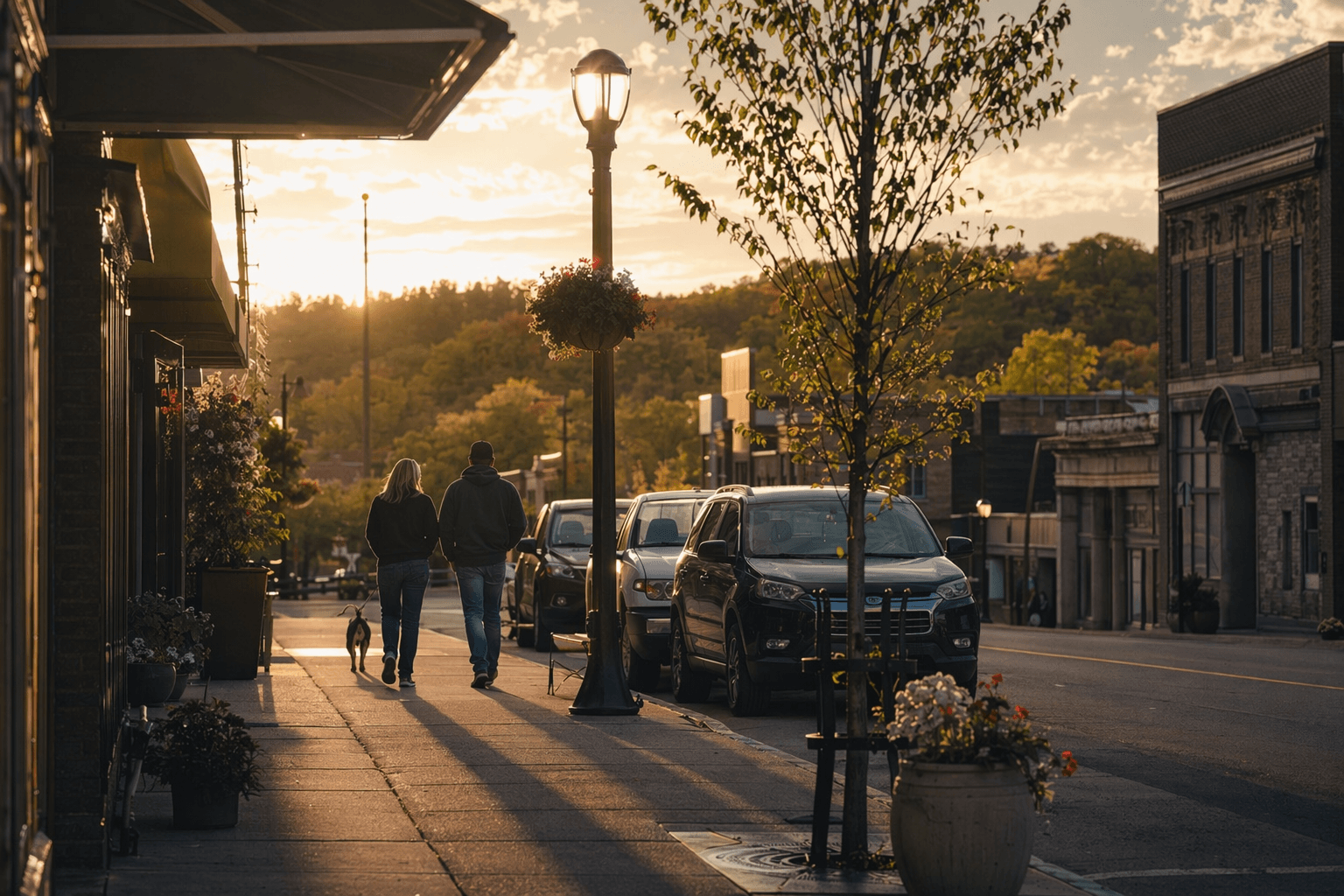
The point is not just branding. When a place can point to reliable institutions, a recognizable downtown character and year-round recreation, it becomes easier for families to imagine settling in, for visiting relatives to stay longer, and for local businesses to capture more of the spending that would otherwise leak to larger towns. In Iron River, the city’s own identity ties those pieces together through the Iron River itself, the Apple Blossom Hiking Trail, the Upper Peninsula Championship Rodeo and the Iron County Historical Museum.
A trail system that works for residents and visitors alike
The Apple Blossom Trail is one of Iron River’s most useful assets because it is not only scenic, it is practical. The trail begins on Brady Avenue in Caspian, across from the Iron County Museum, and TrailLink says it connects Caspian and Iron River while tracing the banks of the Iron River. It also parallels the 107-mile State Line Trail for much of its route, which gives the corridor added value for people already using the region’s broader trail network.
For people deciding what to do on a free afternoon, the trail offers an easy answer. AllTrails lists it as about 6.9 miles out-and-back and generally easy, with hiking, mountain biking and running among the common uses. That combination makes it especially useful for families, casual walkers and visitors who want a low-barrier outdoor option that does not require a full day or specialized gear. For local businesses, that kind of trail traffic can translate into stop-in spending before or after a ride or walk.
The trail also carries a historical dimension. TrailLink notes the route’s connection to Iron County’s mining history, and its proximity to the Iron County Historical Museum at the southern end in Caspian reinforces that link between recreation and local heritage. In practical terms, that means the trail is doing more than moving people through the woods. It is helping define Iron River as a place where outdoor access and local identity overlap.
Why the rodeo still matters to the local economy
Few events in Iron County carry the same mix of tradition and economic lift as the Upper Peninsula Championship Rodeo. The event is described as the only PRCA-sanctioned rodeo in Michigan, which gives it a statewide distinction and helps explain why it continues to draw attention well beyond Iron River. It is not just a summer showpiece; it is one of the community’s signature annual spending events.
The rodeo began in 1968 as the Iron River Area Championship Rodeo and was later renamed the Upper Peninsula Championship Rodeo, according to the Upper Peninsula Digital Network. A historical retrospective says the first rodeo, held August 10-11, 1968, drew an estimated 10,000 people. That early turnout shows how quickly the event established itself as a major draw, and its continued run speaks to the durability of local traditions that can still fill rooms, restaurants and service stations.
The 58th annual Upper Peninsula Championship Rodeo is scheduled for July 10-11, 2026. That timing matters for anyone planning a trip, but it also matters for the local economy. Weekend events like this concentrate spending into a short window, which is exactly when hotels, campgrounds, diners and retail shops in and around Iron River can benefit most. For residents, it is a reminder that a longstanding cultural event can also serve as a practical economic engine.
History as a visitor draw, not just a backdrop
Iron River’s appeal is not built only on the outdoors. The Iron County Historical Museum and the county’s Heritage Trail help make the area legible to visitors who want context, not just recreation. The Iron County Lodging Association says the Heritage Trail is a 14-site self-guided tour that ties together mining legacies and Native American heritage, which gives travelers a structured way to move through the county’s past.
That matters because history tourism can deepen a visit in ways a quick scenic stop cannot. A self-guided trail encourages people to move between sites, spend more time in the county and make additional purchases along the way. It also gives local institutions a broader audience, since a visitor who comes for a museum stop may also be prompted to eat downtown, shop locally or return later for another site.
The city’s attractions page reinforces that same message by placing the Iron County Museum at the center of the Apple Blossom Trail corridor. The result is a small but coherent visitor network: museums, trails and outdoor landmarks are not separate offerings so much as pieces of the same place-based story.
What this means now for residents, visitors and newcomers
For residents, Iron River’s mix of businesses, trails, history and recreation provides a useful answer to a basic question: what is there to do close to home? The answer includes a walk or bike ride on the Apple Blossom Trail, a summer rodeo that still draws regional attention, and a museum and heritage trail system that keep local history visible. That is the kind of infrastructure that helps a community feel complete, not merely scenic.
For visiting family, the city offers enough variety to fill a weekend without driving far. A trail outing near Caspian, a stop at the Iron County Historical Museum, and a rodeo date in July create a simple itinerary with built-in local spending. It is the sort of visit that can support a meal in town, a night’s stay and a second trip back.
For potential movers, the city’s own description of strong businesses, community anchors, historic buildings and a growing medical community is the clearest signal. Those are the ingredients people look for when deciding whether a place is livable beyond the first impression. Iron River also has something that many small towns struggle to maintain: a recognizable identity that connects work, health care, heritage and outdoor access in one place.
For small business owners, the opportunity is equally clear. The trail system, the rodeo calendar and the museum network all create reasons for people to come through town and stay longer. In a county where many communities compete for the same weekend dollars, Iron River’s edge is that it can offer recreation in one season, heritage in another and a reliable civic base in every month of the year.
That is the real strength of the city’s message. Iron River is not just marketing itself as a pretty place on the map. It is presenting a small economy with enough anchors, history and outdoor access to keep people coming back, which is exactly what makes a place durable.
This article was produced by Prism’s automated news system from verified source data, official records, and press releases, then run through automated quality and moderation checks before publishing. The system is built and supervised by the people who set the standards it runs under. Read our full AI policy.
Did this article answer your question?