Iron County lakes group to explain special assessment districts for invasive species management
Iron County lake owners will hear how special assessment districts can pay for invasive species control. The Lake Mary example shows how a district can turn a treatment plan into policy.
What the June 6 meeting is really about
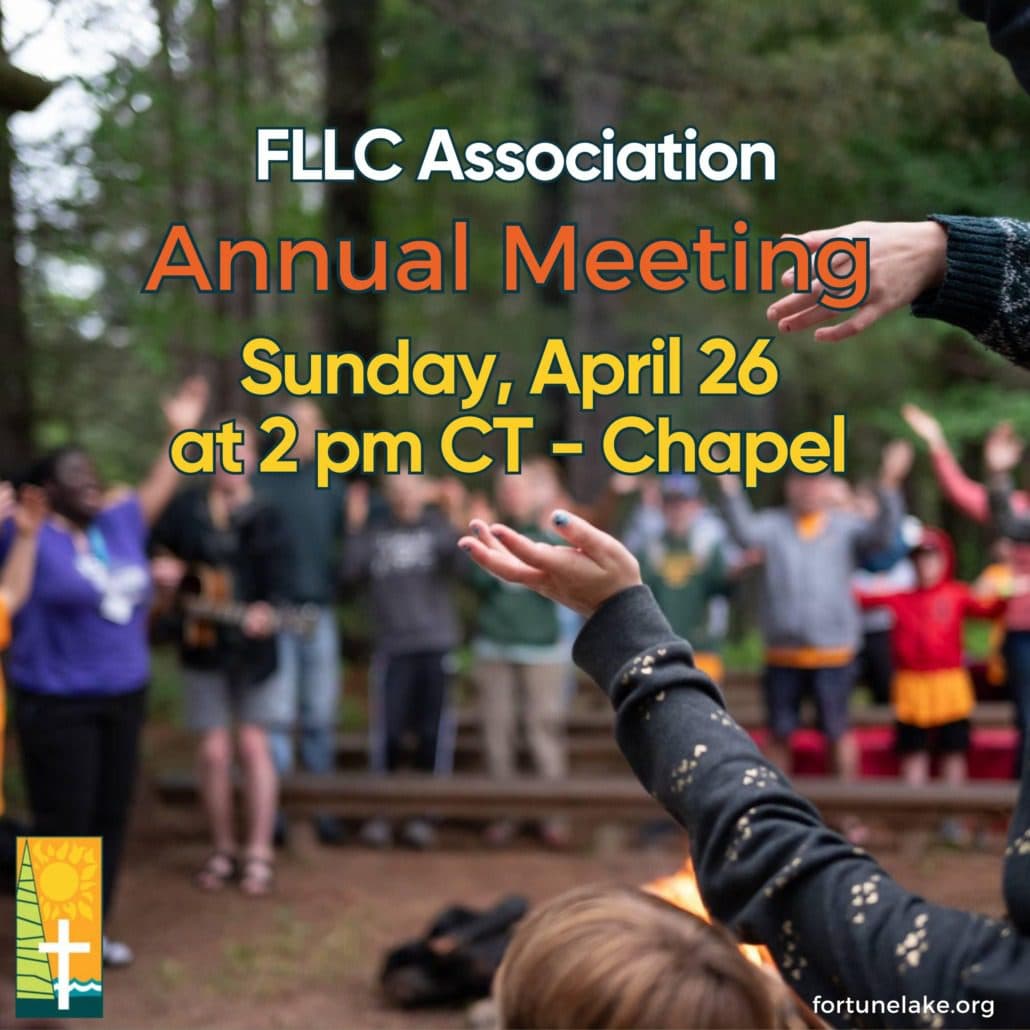
Iron County Lakes & Streams Partnership is using its annual member meeting at Fortune Lake Lutheran Camp in Crystal Falls to explain a tool that sounds technical but reaches straight into the pocketbooks of lakefront owners: special assessment districts, or SADs, for invasive species management. The presentation will come from Karen Mallon, the clerk for Mastodon Township, and Joann Burns, treasurer for the Lake Mary Association.
The timing matters because this is not an abstract policy discussion. Mastodon Township and property owners on Lake Mary spent much of 2025 working through the details of a SAD designed to help fund treatment of established Eurasian water milfoil beds over the next three years. That local effort gave Iron County lake leaders a real example of how a district can move from concept to workable financing.
How a special assessment district works
At its core, a SAD is a way for a township to levy special assessments for a defined improvement project. In the lake setting, that means the cost of controlling invasive species can be assigned to the properties in the district rather than left to chance, one-time donations, or an open-ended search for money after a problem has already spread.
Michigan Public Act 188 gave townships authority to levy special assessments for improvement projects, and later amendments expanded that authority to include inland lake management projects. For lake communities, that legal change is the key that makes this financing model possible. It gives townships a recognized process for paying for work that protects a waterbody over time, instead of treating invasive species control as a one-season expense.
For lakefront owners, the practical question is simple: if a SAD is created, who pays? The answer is the property owners inside the proposed district, through a formal assessment process. That is why the June 6 meeting matters. It is about understanding when a lakewide effort becomes a line item tied to specific parcels, and how that cost is shared among the landowners who benefit from the work.
The legal path from idea to district
A special assessment district does not appear by accident, and it does not move forward on goodwill alone. The process can begin in one of two ways: through a township board resolution or through a petition from landowners representing more than half of the land area in the proposed district.
From there, the process becomes public and deliberate.
- Two public hearings must be held.
- Public notices must be issued.
- An assessment roll has to be prepared.
- Property owners must get a chance to object.
That sequence is important because it shows where the decisions are made and where residents can weigh in. The township board has a formal role, but landowners also have a say, especially when a petition launches the process or when objections are raised after the assessment roll is prepared. For anyone trying to understand whether a lake project is merely informational or the first step toward a bill, that distinction is the one that matters most.
Why Lake Mary is the model being discussed
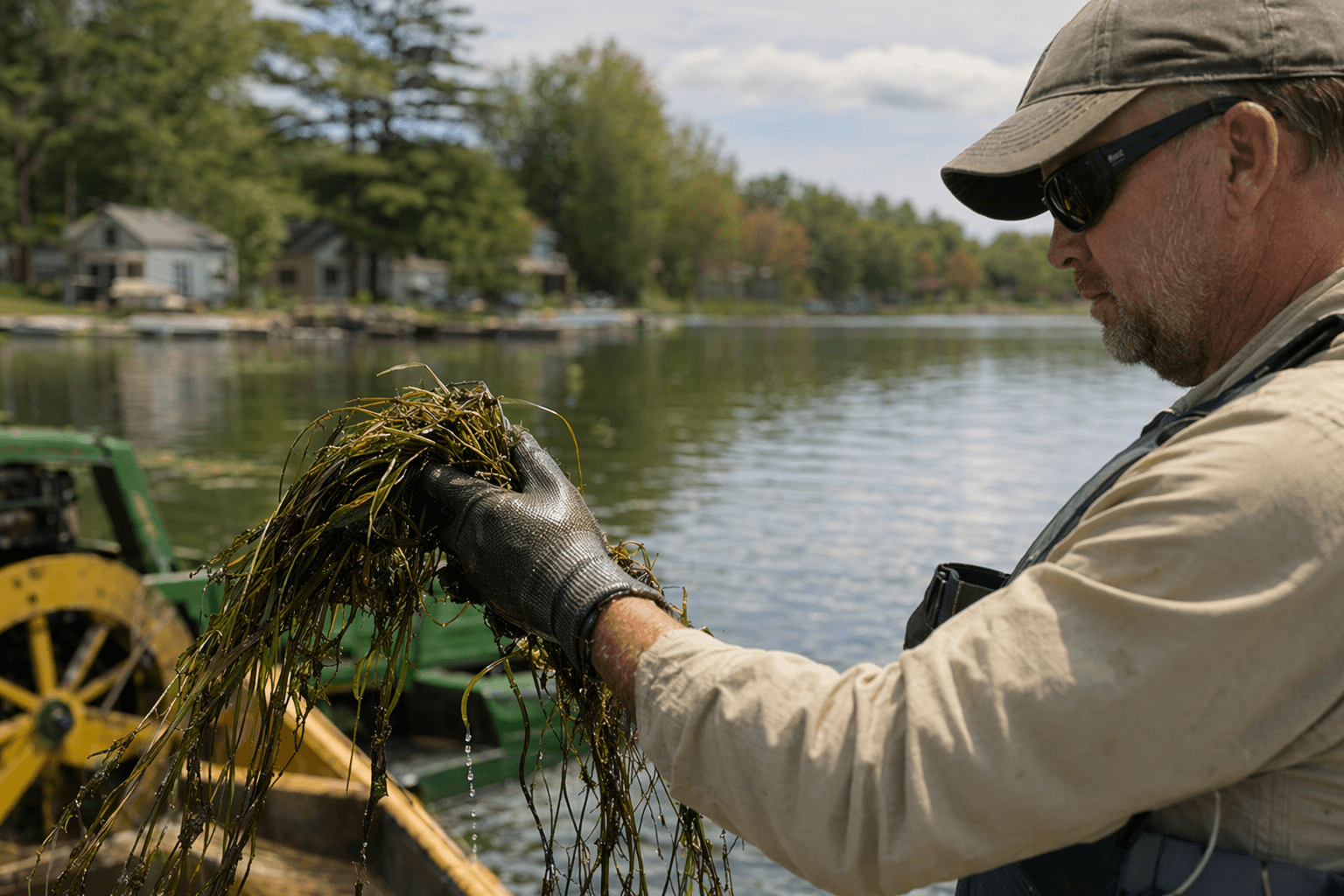
Lake Mary’s experience is the reason this conversation carries weight across Iron County. Mastodon Township and Lake Mary property owners worked through the details over many months in 2025 because they were dealing with a real problem: established Eurasian water milfoil beds that needed treatment and a financing structure that could support that work for three years.
That kind of planning is exactly what other lakes are watching. A SAD is not just a legal mechanism, it is a way to turn a recurring environmental threat into a durable management plan. The Lake Mary case shows that the process can be time-consuming, but it also shows that a township and its property owners can build a framework that is transparent enough to survive scrutiny and structured enough to last.
The partnership’s advice points to what that takes in practice. Lake officials are urging communities to hire an independent consultant, prepare for tough questions, educate neighbors about why aquatic invasive species control matters, and keep communication open with township officials and assessors. Those steps are not bureaucratic extras. They are the difference between a plan that gains trust and one that stalls in confusion or suspicion.
Why delay carries its own cost
Aquatic invasive species do not wait for a convenient budget cycle. Once established beds take hold, the work to control them becomes more expensive and more difficult to manage. That is why lake communities keep circling back to the same question: if the goal is long-term stewardship, how do you pay for it before the problem grows larger?
For Iron County, the answer being explored on June 6 is a local financing model with statewide roots. A SAD can give a lake community a legal, predictable way to fund treatment, but it also asks property owners to accept that the cost of protecting the water will be shared in a formal and enforceable way. That is a major policy choice, not a routine housekeeping measure.
What the June 6 meeting signals for Iron County
The session at Fortune Lake Lutheran Camp is educational, but it is not empty theater. It offers a clear look at the machinery behind future lake-management policy, including who can start a district, how the public can object, and how assessments are built. It also shows that the Lake Mary effort has already become a reference point for other shoreline communities considering the same path.
For Iron County lake residents, the takeaway is direct: a special assessment district is the point where environmental stewardship meets taxation, and June 6 is where that reality will be explained in public.
Know something we missed? Have a correction or additional information?
Submit a Tip