Iron County towns blend mining history, museums and local reinvention
Iron County reads town by town: museum stops, trailheads, a courthouse hill and a flooring plant show how each community still pulls its own weight.
The traffic circle at the center of Alpha on County Road 424 is one of the clearest signs that Iron County works best as a string of small places, not a single stop. Alpha, Amasa, Caspian, Crystal Falls, Gaastra and Iron River each still carries a different piece of the county’s mining, logging, rail and reinvention story.
Alpha and Amasa: history that still has a footprint
Alpha keeps its identity in the buildings that remain visible from the road. The village has several structures on the National Register of Historic Places, including the Porter School and the Alpha Museum in the Alpha Circle Historic District, a place defined by the traffic circle at the center of the village on County Road 424.
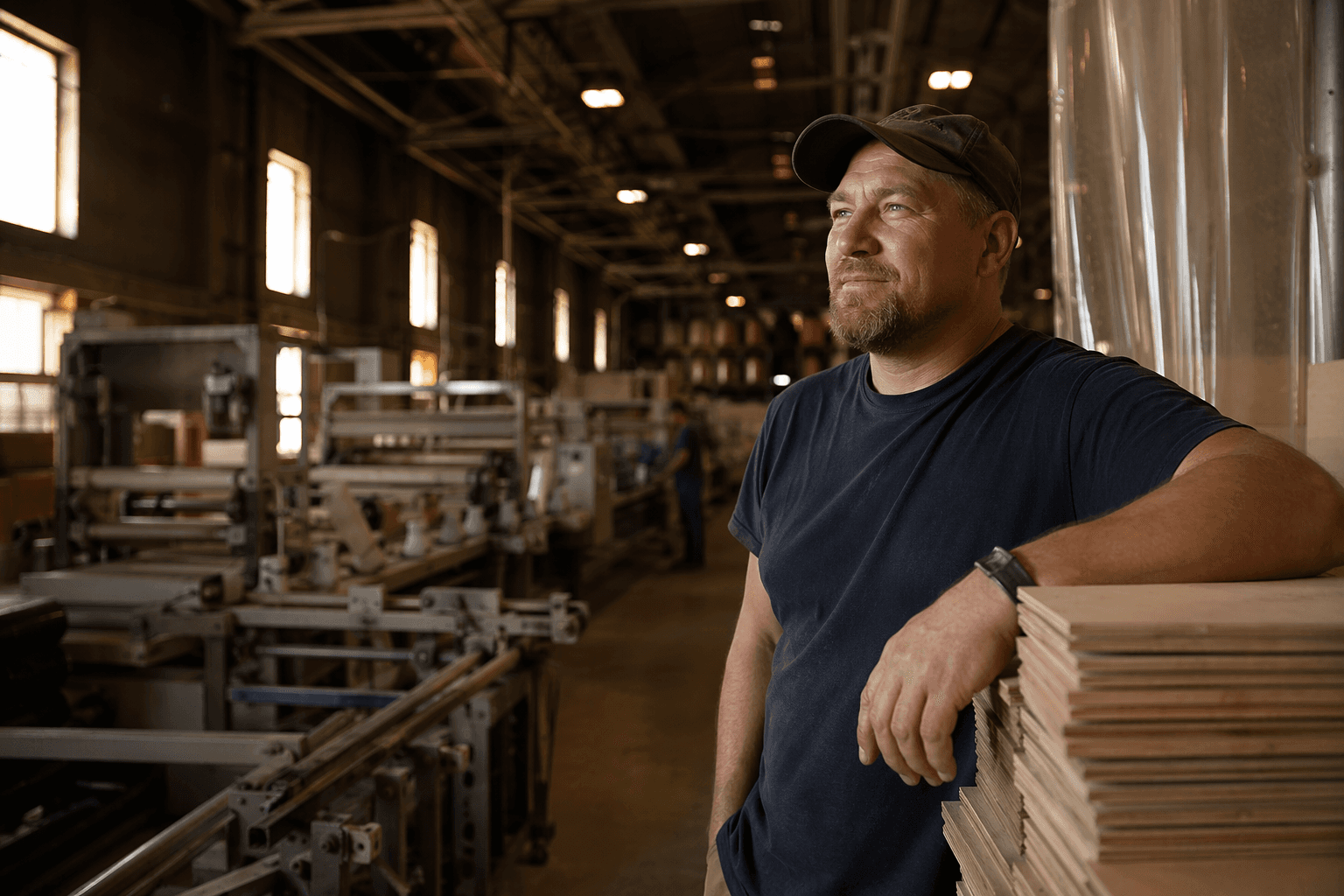
Amasa tells a different version of the same county history. It began in 1910 as a Finnish iron mining and logging boom town, and today its practical identity is tied to Connor Sports Flooring and the Amasa Historical Society Museum. The museum’s replicas of a trapper’s cabin and an old-time barber shop give the village a lived-in, working-class memory rather than a polished showcase, and the town’s small population, 283 residents, still sits close to forest products employment.
Caspian: west-side mining turned into a stop for trails and local industry
Caspian mirrors the west side mining boom that built much of Iron County. Six mines once operated in the immediate area, and the city was incorporated in 1950 during the county’s industrial expansion rather than as a later resort town.
The Iron County Museum sits here with 25 buildings that make up Heritage Village, and the site includes the Lee LeBlanc Wildlife Art Gallery. The Apple Blossom Biking and Walking Trail brings everyday use into the picture. Caspian also has an industrial park and the Iron County Multi-Purpose Building and Ice Arena.
Crystal Falls: the county seat with the courthouse on the hill
Crystal Falls is the county seat, and its name comes from the falls on the Paint River. Early iron mining and timber exploration shaped the city’s growth, but the landmark that best defines it now is the 1890 Romanesque-style Iron County Courthouse, set high on the hill.
The Harbour House Museum keeps the city’s heritage active, while its own hydro-electric plant and cable TV system show that local government here still runs key services directly. With an industrial park one-half mile west of town and a 9-hole golf course overlooking the Paint River, Crystal Falls remains a seat of administration, recreation and utility infrastructure. Its population was 1,469 in the 2010 census.
Gaastra: a small city with a precise origin story
Gaastra has one of the cleanest paper trails in the county. It is named after Douwe Gaastra, a building contractor and real estate speculator who bought the land in October 1908 and platted the town, then saw it incorporated as a village in 1919 and as a city in 1949.
Its 2010 census population was 347, and county materials rank it as Michigan’s third smallest incorporated city by population.
Iron River: the largest city and the county’s main practical hub
Iron River is the largest city in the county, and it is where the county’s modern identity becomes easiest to use. In 2000, Stambaugh and Mineral Hills were consolidated with Iron River, creating Michigan’s first consolidated community and adding about 1,500 citizens to the city’s base. That merger helped make Iron River the administrative and commercial anchor many residents use for errands, events and countywide services.
It is also where some of the county’s most visible gatherings happen. The Upper Peninsula Championship Rodeo is held in late July each year, and the Iron County Fair remains a major local event. The Iron County Economic Chamber Alliance keeps its visitor center at 50 East Genesee Street in Iron River, with weekday hours from 10 a.m. to 3 p.m., making the city a natural starting point for maps, brochures and day-trip planning. The Apple Blossom Trail also starts at Nanaimo Park in Iron River and runs two miles to the Iron County Historical Museum.
This article was produced by Prism’s automated news system from verified source data, official records, and press releases, then run through automated quality and moderation checks before publishing. The system is built and supervised by the people who set the standards it runs under. Read our full AI policy.
Know something we missed? Have a correction or additional information?
Submit a Tip