Residents asked to report summer bat roosts in Iron County
Iron County sightings of bats in barns, bridges and tree cavities could help Michigan map summer roosts. The state says those reports can also track colonies that eat mosquitoes and crop pests.
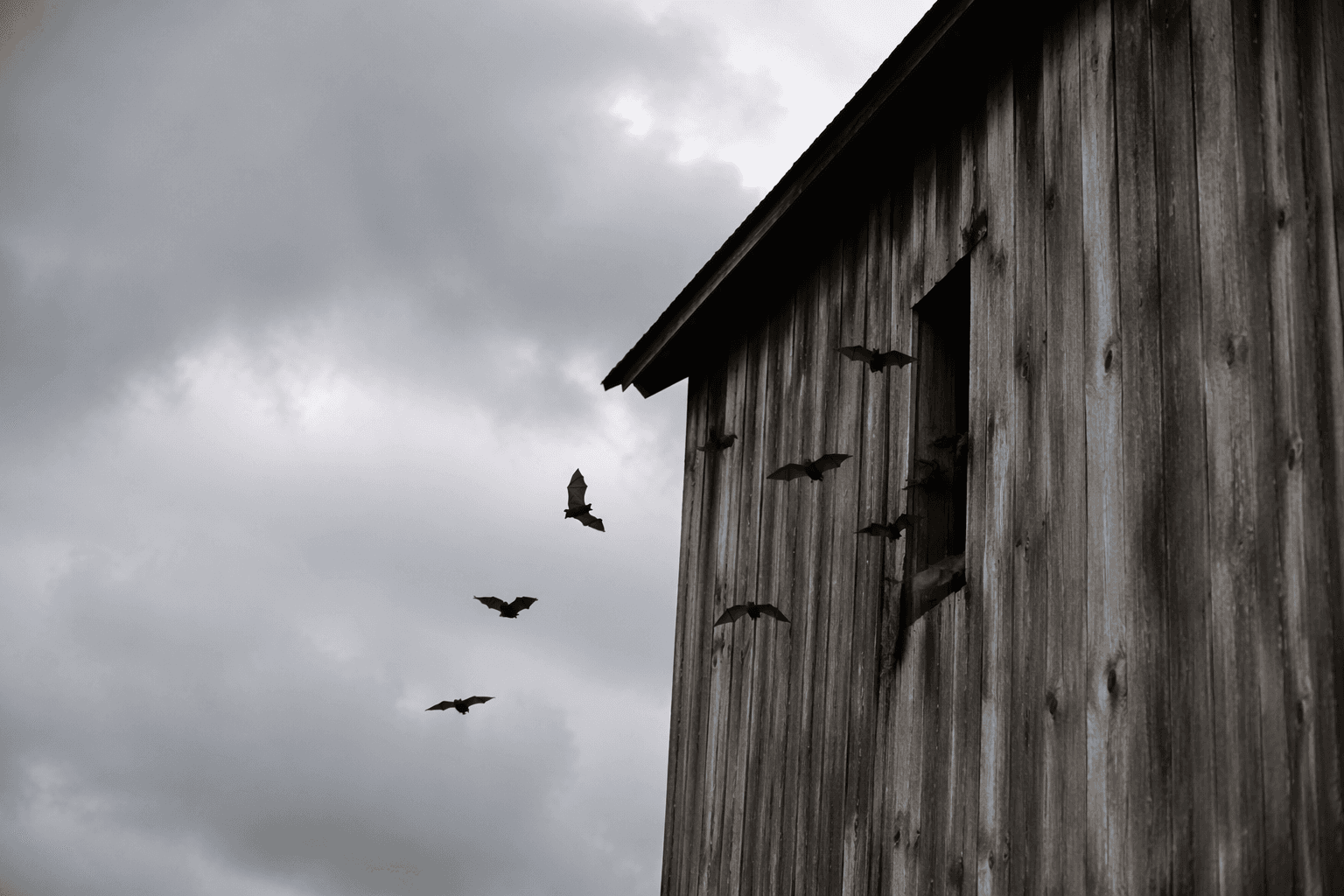
Iron County residents who spot bats hanging in barns, bridges, sheds or wooded tree cavities can report them this summer. The Michigan Department of Natural Resources and Michigan Natural Features Inventory have relaunched their bat-roost monitoring effort for a second season, and even one sighting from a farm, camp or roadside structure can become useful data for biologists.
The program is built around public reporting, not special equipment. Residents can submit roost locations at any time, including observations they made earlier in the year. The online form asks for the date and time, whether the site is on public or private land, what kind of structure is involved, how many bats were seen and, if available, photos. People who already reported a roost can also send updates and, when possible, watch the site at sunset and count bats as they emerge.
Summer roosts are where bats rest, raise pups and shelter during the warm months. Most Michigan bats have one litter a year, usually one to two young, and maternity colonies often form in warm, sheltered places such as attics and barns. Those roosts are typically used through August or early September before many bats shift to winter hibernacula.
Michigan has nine bat species, and five are listed as threatened or endangered in the state. White-nose syndrome, first confirmed in Michigan in 2014, has killed millions of bats across North America and remains one of the biggest threats to their recovery. Bats also provide a direct benefit to people by consuming large numbers of flying insects, including mosquitoes and agricultural pests.
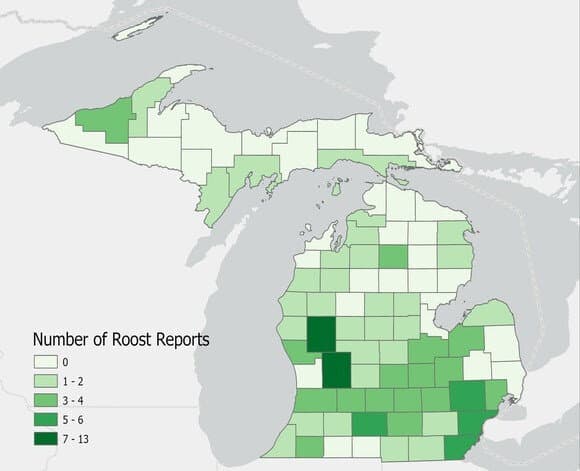
The first year of the monitoring program produced more than 130 bat-roost observations from 52 counties. In 2025, Kent and Newaygo counties had the most summer roost observations, with between seven and 13 reports each, while Calhoun, Monroe, Oakland and Wayne counties each had between five and six. Iron County has forests, older buildings, seasonal cabins and scattered outbuildings.
This article was produced by Prism’s automated news system from verified source data, official records, and press releases, then run through automated quality and moderation checks before publishing. The system is built and supervised by the people who set the standards it runs under. Read our full AI policy.
Know something we missed? Have a correction or additional information?
Submit a Tip