Iron River Knights of Columbus clean up U.S. 2 roadside stretch
The Knights hauled 16 bags of roadside trash off U.S. 2, plus bulky debris, along a stretch that shapes first impressions of Iron County.
Litter along U.S. 2 is more than a blemish on the roadside. In Iron County, it affects how one of the area’s busiest travel corridors looks to residents, visitors and anyone passing between Ice Lake and Bates/Amasa.
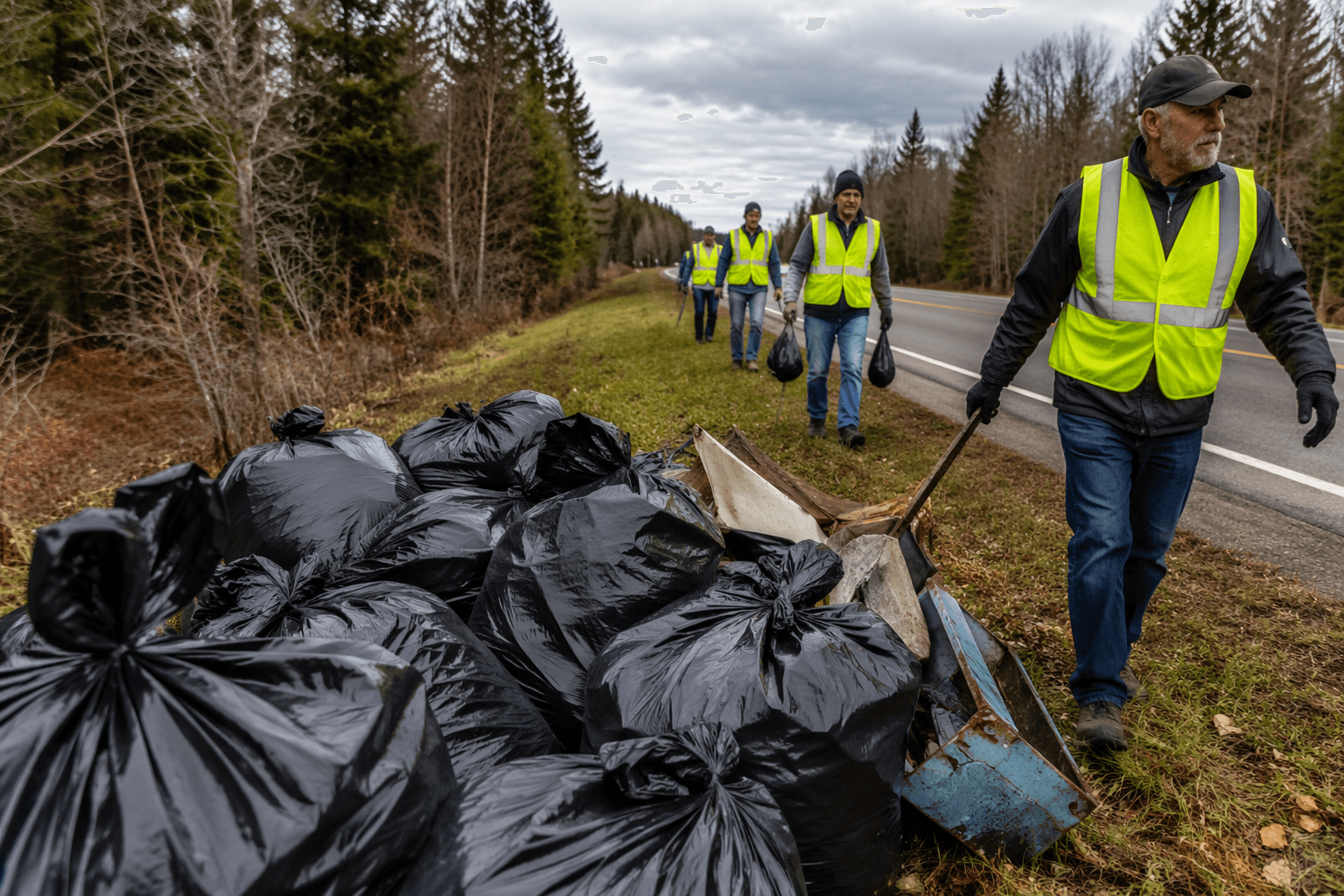
The Iron River Knights of Columbus Council 2300 spent three hours cleaning their annual spring roadside stretch and collected 16 bags of garbage, along with larger items too bulky for the bags. Cardboard, plastic, metal and rubber debris all came off the shoulder, a reminder that keeping a public corridor presentable takes time and hands-on work.
The cleanup ran from the Ice Lake U.S. 2 intersection to the Bates/Amasa U.S. 2 intersection, the same route the council tackled in its spring effort last year. That stretch matters because it connects communities and carries regular traffic, so every bag gathered has a practical effect beyond appearance. A cleaner shoulder helps preserve the look of the highway, supports community pride and reduces the impression of neglect that roadside trash can leave on a county’s main routes.
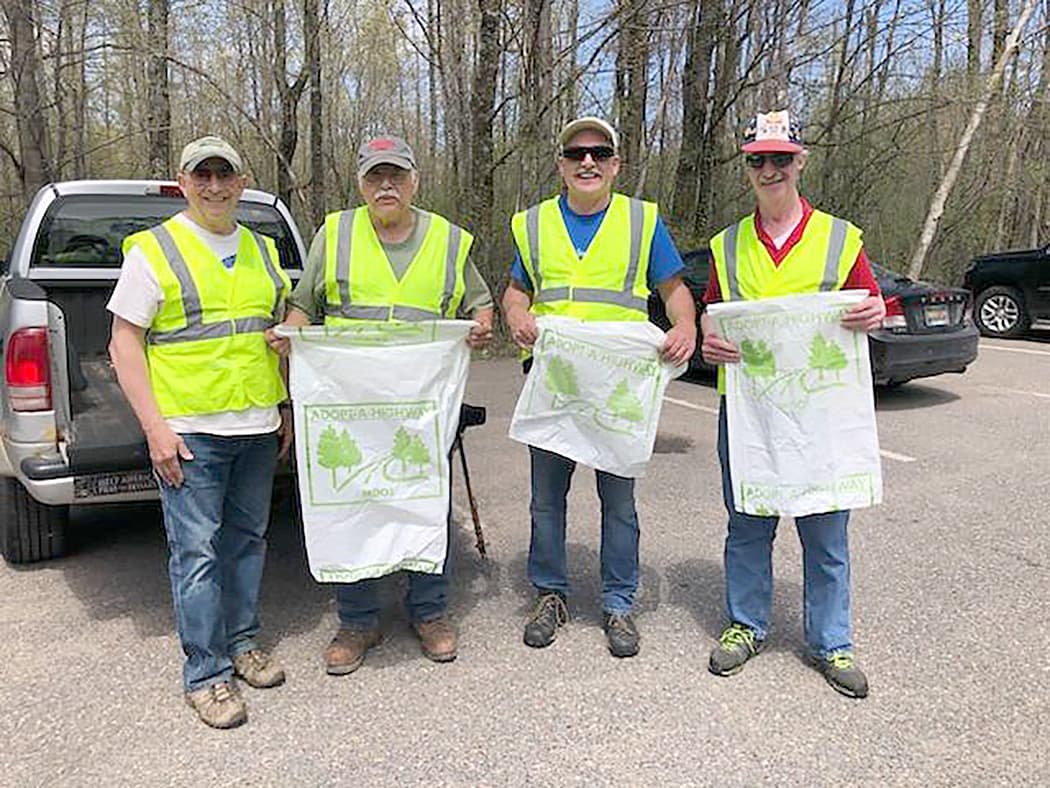
The volunteers got the job done with good weather on their side. A photo caption identified Chairman Sir Knight Tim Peruzzi and Sir Knights Louis Willis, Dennis Cerney and Ralph Commenator among those taking part, putting familiar local faces to a service project that depends on steady, repeated effort rather than a one-time cleanup.
The Knights’ work also fits within Michigan’s Adopt-A-Highway program, which is designed to keep state highway roadsides clean and attractive. MDOT says groups adopt both sides of a state highway roadside for at least two years, recommends a minimum two-mile stretch and requires crews to include at least three people, with volunteers at least 12 years old. MDOT’s first pickup period of 2026 ran from April 11 to April 19, placing the Iron County cleanup squarely in the spring window when volunteer groups across the state are active.
Council 2300’s results show the scale of the problem and the value of the response. Sixteen bags, plus bulky trash, is a measurable haul from one corridor in one three-hour session. It also points to a broader truth in Iron County: keeping the places people drive through and live near looking cared for often depends on local volunteers who keep showing up.
This article was produced by Prism’s automated news system from verified source data, official records, and press releases, then run through automated quality and moderation checks before publishing. The system is built and supervised by the people who set the standards it runs under. Read our full AI policy.
Know something we missed? Have a correction or additional information?
Submit a Tip