Mansfield landmark preserves memory of Iron County mining disaster
At Mansfield, a restored church marks the site of a 1893 mine disaster that killed 27 men and still anchors Iron County’s heritage trail.
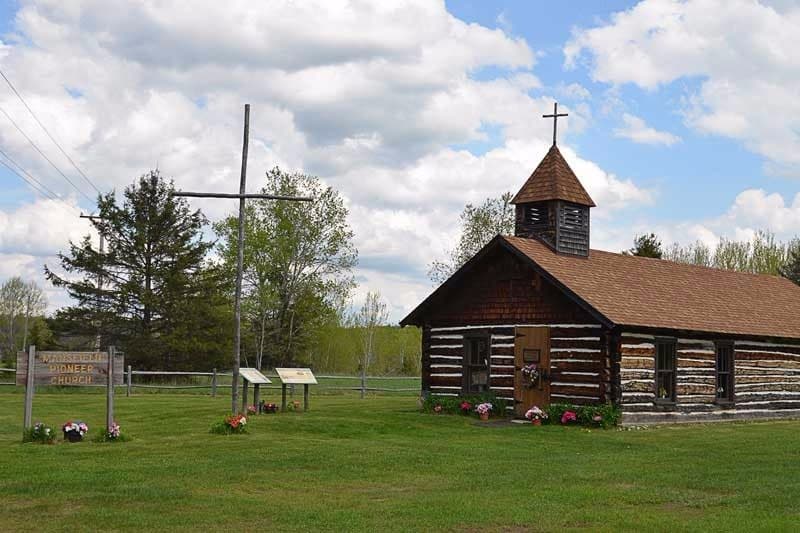
On September 28, 1893, 27 miners died in a cave-in at Mansfield after the Michigamme River broke through and flooded the Mansfield Mine. The Mansfield Pioneer Church now gives the site a second identity as a preserved place of remembrance, not just a place of tragedy.
The disaster that shaped Mansfield
Mansfield entered Iron County history through iron mining, and the mine itself helps explain why the site matters beyond a single day. The Mansfield Mine began operating in 1889 and ran for 24 years, placing the 1893 disaster in the middle of a working mining settlement rather than at the end of one. The accident remains one of Michigan’s worst mining disasters, and the number most often carried forward in modern references is 27 dead.
The cause was the mine’s vulnerability to water. The Michigamme River broke through into the Mansfield Mine and flooded the workings, killing the miners underground.
Early reporting on the disaster was not fully settled. A transcription of a contemporaneous account in the Kendallville, Indiana, Standard dated October 6, 1893, used the headline “TWENTY-EIGHT DEAD.” Other early references went even higher, with one account saying 45 of the 60 miners working that night had died, while later local-history sources settled on 27.
Why the church matters now
The Mansfield Pioneer Church is what keeps the place from fading into a line in a history book. The church was built in the late 1800s, then restored in 1987 by the Mansfield Memories Committee. Since then, it has remained a central landmark of the old mining settlement, giving visitors a physical point of reference for a community that once revolved around the mine.
A restored building gives the story a place to live, and it also creates a reason for people to come back to Mansfield for more than a quick look. If upkeep and attention fade, the site risks becoming harder to interpret as a disaster memorial and a settlement landmark, especially for younger residents, students, and visitors who need an intact structure to connect the story to the ground.
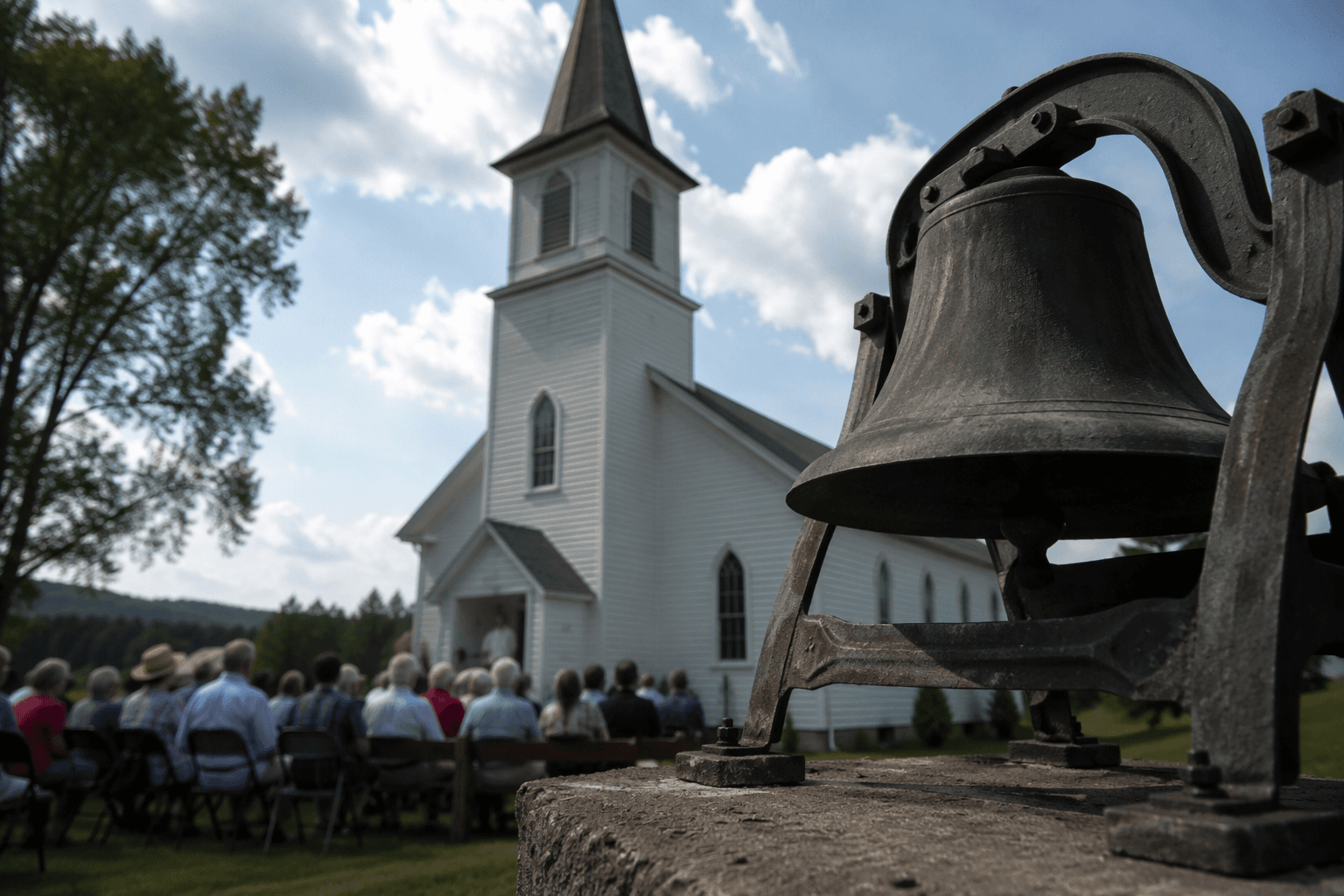
The Mansfield Memories Committee has kept that connection active by hosting annual summer services at the church. In 2025, the Rev. Jim Janofski of the Randville Bible Church was scheduled to officiate.
How Mansfield fits into Iron County’s heritage network
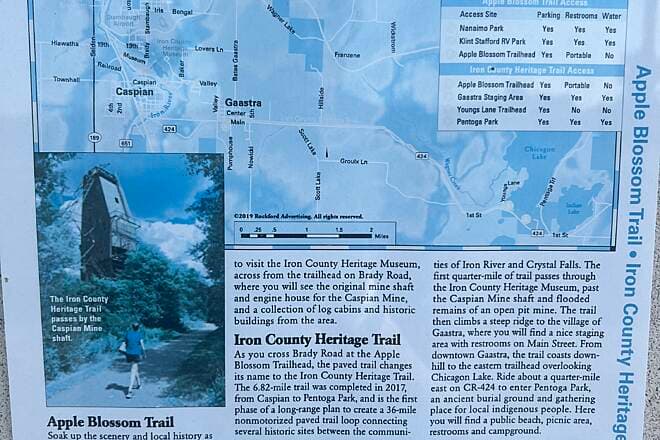
Mansfield is also part of a larger county effort to interpret local history in a way that visitors can follow on their own. Iron County designates sites as part of a self-guided trail, and some of those sites are on the National Historic Register. That puts Mansfield in the company of other recognized places while also making it easy to understand as a stop on a broader heritage route.
Heritage sites draw people who want to understand how mining shaped settlements, churches, roads, and labor patterns across the Upper Peninsula. Mansfield is especially useful because it combines a specific disaster date, a named structure, and a clear human toll, which makes it easier to teach, interpret, and remember than a site with only a placard and no surviving landmark.
Mansfield was not just a mine location; it was a community built around work, faith, and survival. The church, restored decades after the mine’s era had passed, keeps the story tied to a place.
Finding the site and reading the landscape
The church is on Stream Road near Crystal Falls and just off Old Highway 69. That location makes it accessible as part of a day trip through Mansfield Township and the surrounding Iron County landscape. For visitors following the county’s heritage route, the site works best as a reflective stop where the church, the old mining settlement, and the disaster are understood together.
Mansfield sits in the Upper Peninsula of Michigan, where mining settlements often rose quickly around a single industrial purpose and then changed just as fast when that purpose disappeared. At Mansfield, the surviving church can still be seen at the site of the remembered mine disaster.
This article was produced by Prism’s automated news system from verified source data, official records, and press releases, then run through automated quality and moderation checks before publishing. The system is built and supervised by the people who set the standards it runs under. Read our full AI policy.
Did this article answer your question?