Ottawa National Forest anchors Iron County summer recreation, tourism
The Ottawa National Forest is the summer access point for Iron County, but visitors need current maps, fire rules, and closure updates before heading out.

What Iron County needs from the Ottawa right now
The Ottawa National Forest is not just a backdrop to summer in Iron County. It is the place that sets the pace for camping weekends, fishing trips, trail rides, paddling days, and the steady stream of visitors that many local businesses depend on when the weather warms up. With peak season arriving, the immediate question is not whether the forest is beautiful. It is whether people know the current conditions, the active alerts, and the rules that shape a safe trip into the woods.
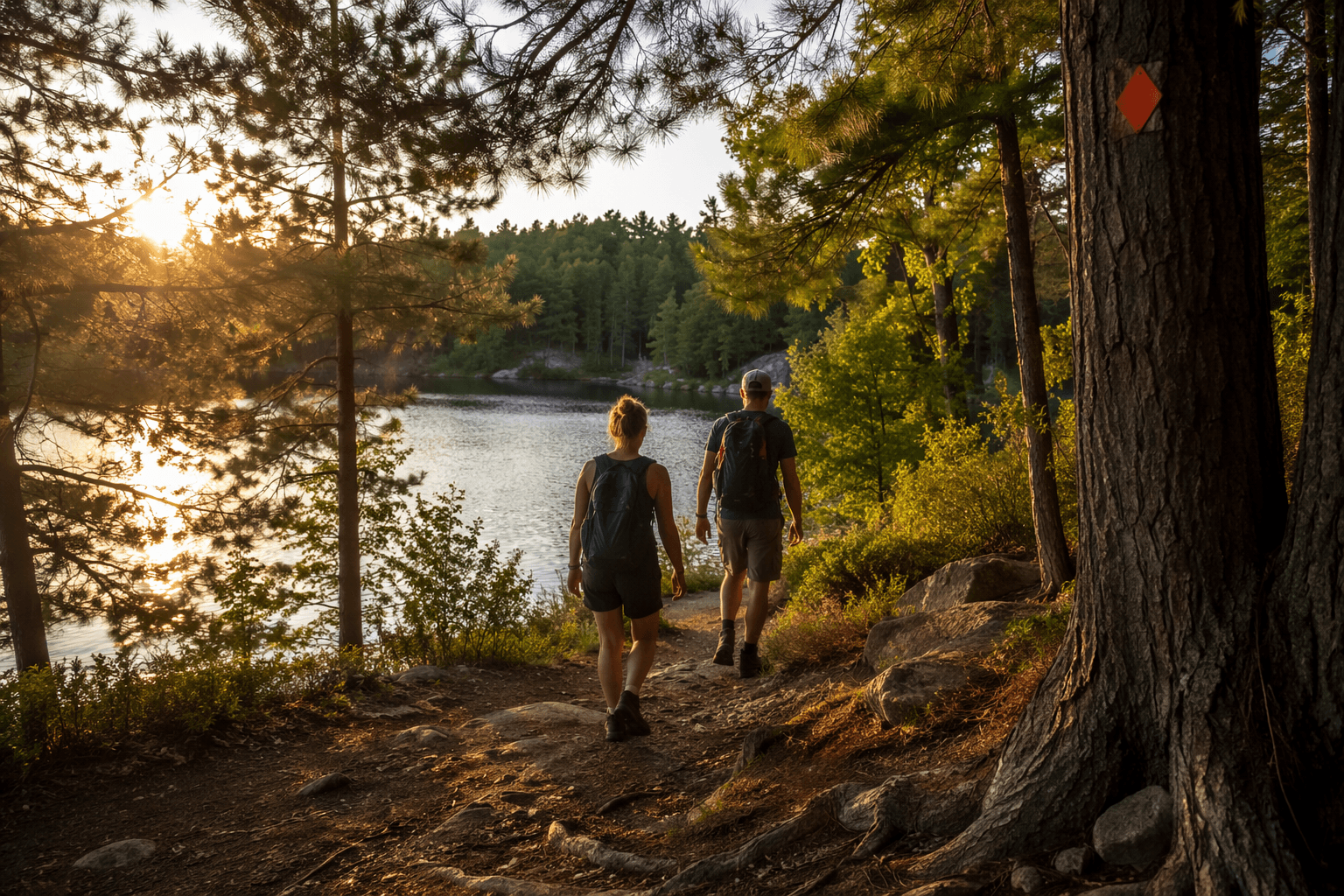
The forest covers about 1 million acres in Michigan’s western Upper Peninsula, stretching from the south shore of Lake Superior to the Wisconsin border. Within that vast landscape, the Iron River Ranger District alone covers 138,000 acres, and Iron River sits about seven miles from Wisconsin. That geography matters to local families and tourists alike because it places public land close to town and makes it possible to leave Iron River, Crystal Falls, or nearby townships and reach trails, lakes, and campgrounds without a long drive.
The access point that drives summer use
For Iron County, the Ottawa’s value starts with access. The forest offers more than 196 miles of hiking and backpacking trails, over 2,300 miles of Forest Service roads and trails open to off-highway vehicles, and more than 2,000 miles of streams across the forest. The Iron River Ranger District adds another layer of recreation opportunity with 2,175 lakes, 902 miles of streams, and 212 miles of snowmobile trails in the district area, a reminder that the same public land supports different seasons and different users.
That breadth of access is part of why the Ottawa functions as both an everyday resource and a tourism engine. In a county where private land ownership is common, the forest gives residents room to hunt, fish, gather, explore, and simply get outside. It also gives families and visitors a lower-cost option at a time when many households are looking for affordable recreation close to home.
Where people are actually going
Several places stand out for summer use in and around Iron County. Lake Ottawa Recreation Area is about 5 miles southwest of Iron River and includes a campground, day-use area, swimming beach, boat launch, picnic facilities, and the Ge-Che Trail, which is approximately 9 miles long. The campground is 95 percent surrounded by National Forest System lands and includes CCC-era structures built in the late 1930s, giving the site both recreation value and a distinct local history.
Perch Lake Campground also sits in Iron County, about 10 miles southeast of Sidnaw on the Kenton Ranger District. That matters because it shows the county’s recreation footprint does not stop at one trailhead or one lake. It stretches across the forest and into the communities that rely on that traffic for gas, groceries, meals, and overnight stays.
The Forest Service lists 22 developed campgrounds across the Ottawa National Forest, many of them set up for picnics as well as overnight stays. That infrastructure is a key part of why the forest can absorb heavy summer use, but it also makes current condition reports important when campgrounds, roads, or access points are busy.
What visitors need to check before they leave
The most practical summer advice is simple: do not head out without checking current conditions. The Forest Service says visitors should do their homework before hitting the trail, and it makes clear that motor vehicle users are responsible for carrying the current motor vehicle use map. Those maps are reissued every year, which means yesterday’s route information can become outdated quickly if a road, trail, or access point changes.
That warning is especially important because the forest currently has alerts that include occupancy and use restrictions as well as off-highway vehicle and over-snow vehicle rules. In a busy season, those details can shape everything from whether a camping area is full to whether a route is open to the vehicle type people plan to bring.
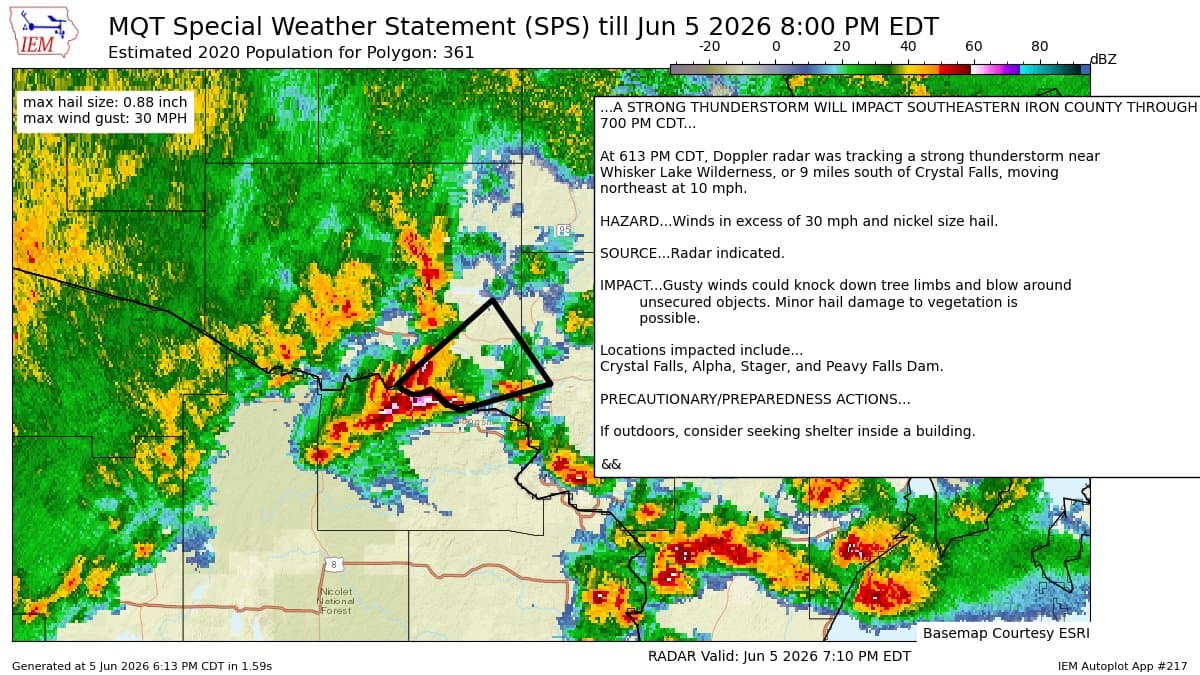
Weather and fire conditions also deserve attention. The forest’s summer guidance emphasizes checking for fire restrictions, temporary closures, and changing conditions before leaving town. Cell service can be limited in parts of the forest, so people should plan routes carefully, carry enough water and supplies, and tell someone where they are going. In practical terms, that advice can prevent a day trip from turning into a search-and-rescue problem.
Why maintenance and management matter to the local economy
The forest’s condition heading into summer affects more than comfort. It affects how long visitors stay, how far they travel, and how much money they spend in Iron County. A good day on the trail often means a stop for fuel, food, gear, or a room for the night. A closed trail, a rough road, or a campground under restriction can reduce that flow quickly.
That is one reason ongoing management work matters. Forest Service pages in May 2026 referenced repairs to Black River waterfall platforms and trails, and pages in March 2026 included a request for information on outfitter and guide services. Those updates show that the forest is not a static recreation backdrop. It is a working landscape where maintenance, planning, and access decisions shape the visitor experience and the spending that follows it.
The current land and resource management plan, approved in March 2006 and replacing the 1986 plan, also frames how the forest is managed under the National Forest Management Act. For local residents, that means the system behind the scenes is always influencing what gets repaired, what gets monitored, and what can remain open during the busiest months.
A public asset that carries Iron County through summer
Iron County’s strongest summer asset is not a single beach, campground, or trail. It is the broader Ottawa National Forest system that ties together lakes, rivers, roads, and public access across the region. From Lake Ottawa to Black River-area work sites, from Iron River to the Wisconsin border, the forest supports daily use for residents and a steady draw for visitors looking for affordable outdoor recreation.
That mix of local utility and tourism value is what makes summer readiness so important. When the public land is open, clearly signed, and responsibly maintained, Iron County gains more than recreation. It gains a season of activity that helps keep communities like Iron River, Crystal Falls, and the surrounding townships connected to the economy of the woods.
This article was produced by Prism’s automated news system from verified source data, official records, and press releases, then run through automated quality and moderation checks before publishing. The system is built and supervised by the people who set the standards it runs under. Read our full AI policy.
Know something we missed? Have a correction or additional information?
Submit a Tip