Cindy L. Wilson Sentenced to 8.5 Years for 2019 Fatal Crash
Cindy L. Wilson was sentenced to 8 years, 6 months after pleading guilty to vehicular homicide and vehicular assault in a 2019 crash that killed an Oak Harbor resident.
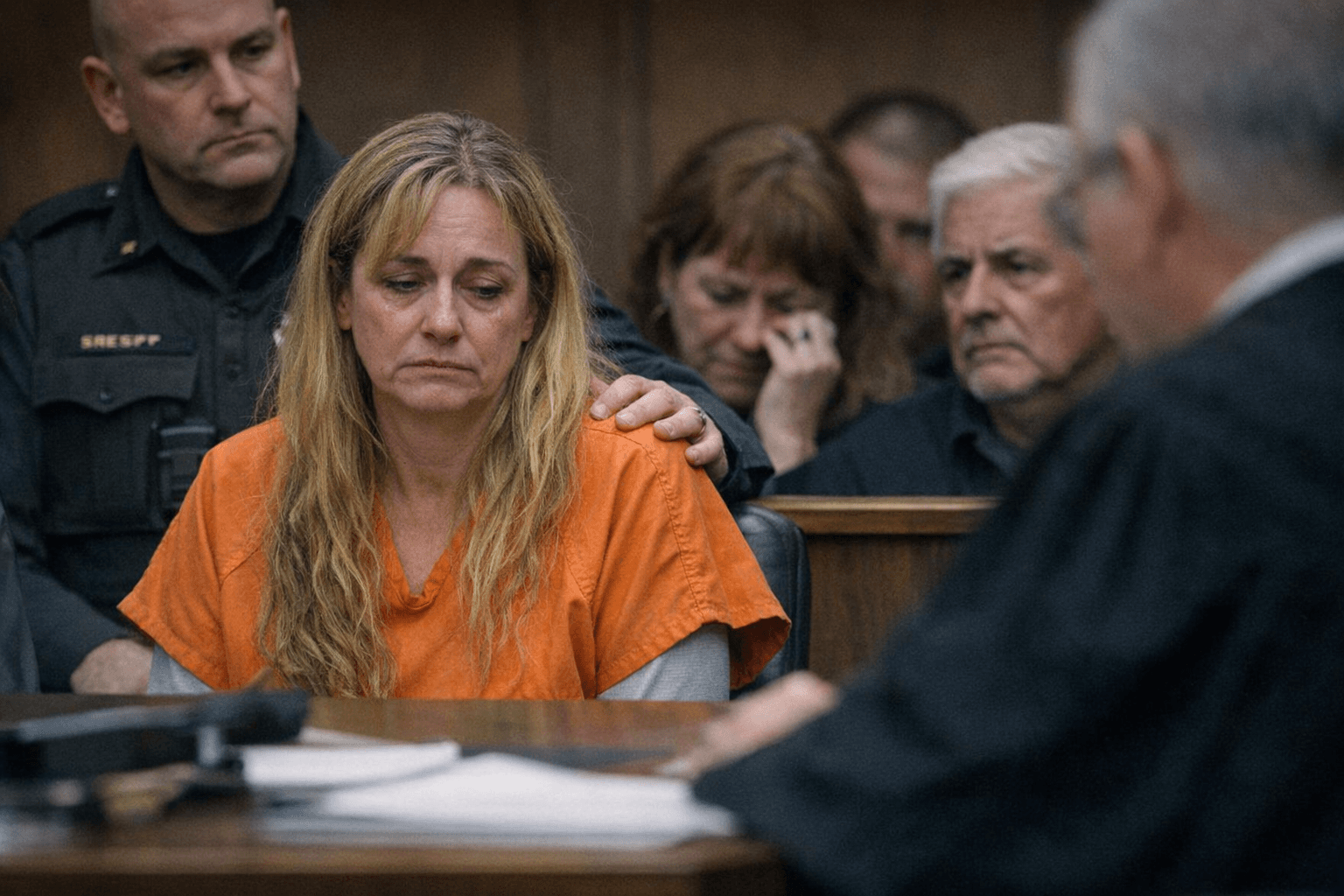
A 2019 crash on East Frostad Road that killed Oak Harbor resident Steven Parson and seriously injured others drew a sentencing conclusion this week when Cindy L. Wilson, also known as Cindy Ducken, received eight years and six months in prison after pleading guilty to vehicular homicide and vehicular assault. The sentence was handed down on Feb. 3, 2026, closing a case that has reverberated across Whidbey Island for more than six years.
The collision, which occurred on June 29, 2019, removed a neighbor from the Oak Harbor community and left survivors facing long hospital stays, rehabilitation and unanswered questions about safety on county roads. Wilson’s guilty plea and subsequent prison term mark a legal resolution to the criminal charges, but the human consequences remain: grieving family members, injured residents coping with lasting impairments, and local emergency services that responded to a traumatic scene.
For Island County residents, the case underscores persistent public health concerns tied to traffic violence. Fatal and severe crashes place immediate pressure on first responders and hospital emergency departments and create long-term needs for outpatient rehabilitation, mental health counseling and financial support for families who lose a wage earner. These burdens are felt acutely in smaller communities where medical specialists and trauma services are farther away and where personal and social networks are tightly knit.
The sentencing also highlights questions about prevention and equity. Rural stretches such as East Frostad Road are part of a network of county roads where visibility, speeds and roadway design can combine with limited transit options to create disproportionate risk. Those risks often fall hardest on residents with fewer resources to manage recovery or relocate. Community conversations about road engineering, traffic enforcement, and investment in local trauma care and behavioral health services are part of translating this case into safer outcomes for others.
Legal closure does not erase the practical needs that follow a crash. Survivors of serious injury require coordinated care from physical therapists, primary care clinicians and mental health providers, and families may need guidance on navigating disability benefits and insurance claims. For Island County, that means ensuring local providers and social services have the capacity to support long recoveries and that public officials prioritize road safety improvements where crashes occur.
As the community processes the sentence imposed on Feb. 3, 2026, public attention is likely to turn from courtroom resolution to prevention and recovery. Residents and local leaders can use this moment to press for targeted safety measures on rural roads, sustained support for survivors and investments in county health infrastructure so that future crashes do not leave similarly lasting harm.
This article was produced by Prism’s automated news system from verified source data, official records, and press releases, then run through automated quality and moderation checks before publishing. The system is built and supervised by the people who set the standards it runs under. Read our full AI policy.
Did this article answer your question?