Coupeville Wharf tells the story of Central Whidbey’s past
Coupeville Wharf is still a working front door to Penn Cove, linking Central Whidbey’s seafaring past to today’s tourism, access, and resilience needs.
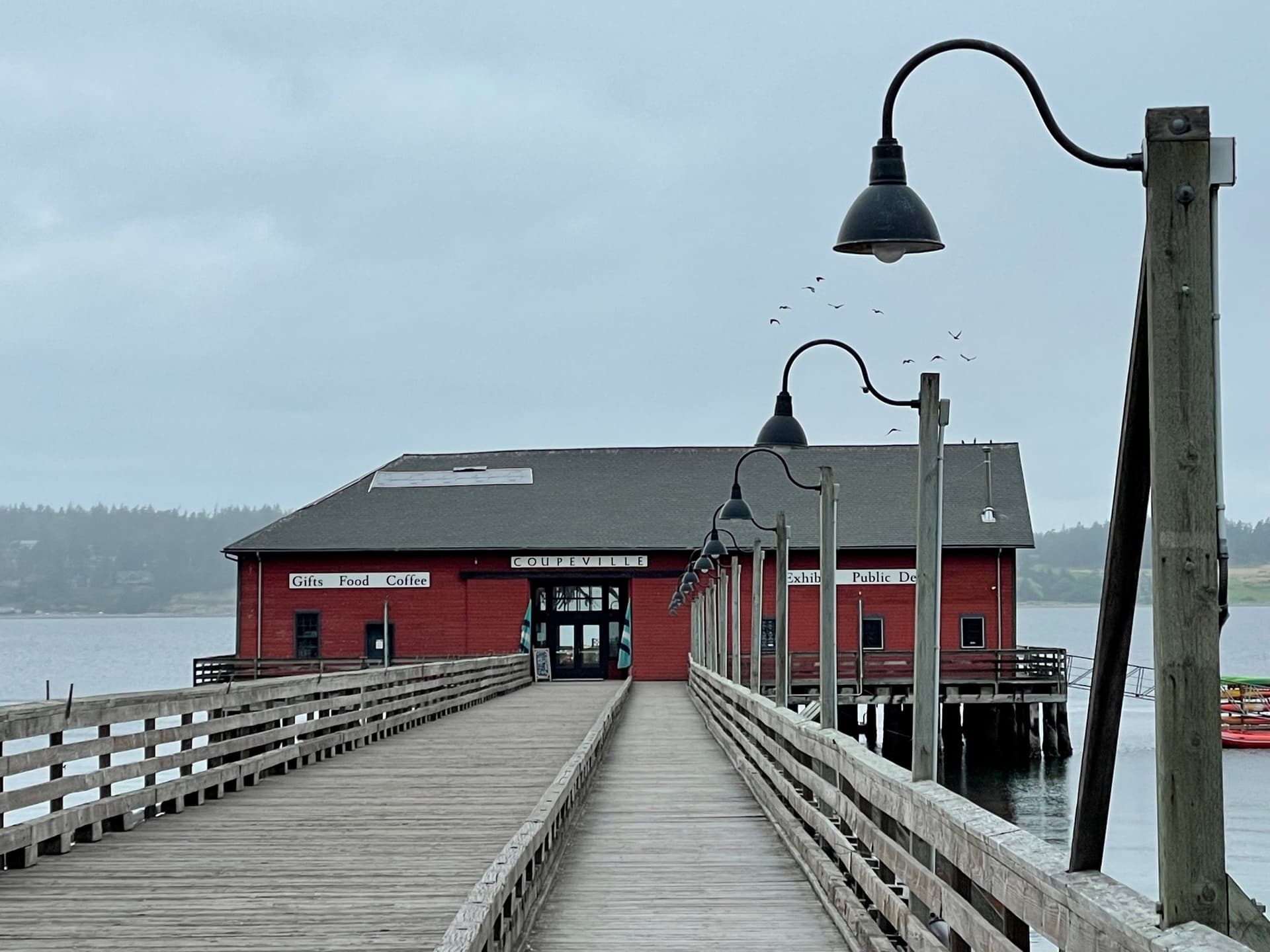
At the foot of Alexander Street, Coupeville Wharf reaches out over Penn Cove. The Port of Coupeville calls it the town’s most iconic structure. The wharf has long carried freight, passengers, and now visitors across the same shoreline.
A wharf built for tide and trade
The current wharf dates to 1905, when local merchants and farmers built a 500-foot structure long enough to serve steamships and freight no matter the tide. Fort Casey had been activated in 1901, bringing more military traffic, more commerce, and more pressure on Central Whidbey’s waterfront connections. Earlier wharves on the cove existed, but many were only useful at extreme high tide, which made them too limited for the daily business of moving people and goods.
Coupeville built the wharf as infrastructure rather than a promenade. Its length, location, and timing reflect a period when water travel still set the pace of Island County life and kept produce moving while linking the town to the mainland and Seattle.
From grain to passengers, then to a slower era
The wharf quickly became a main artery for the community. Farmers used it to ship produce, especially grain, and Elmer Calhoun added a grain elevator in 1909, turning the structure into a more specialized shipping point for the agricultural economy around Penn Cove. Calhoun purchased the wharf in 1909 and later made major repairs during the Great Depression.
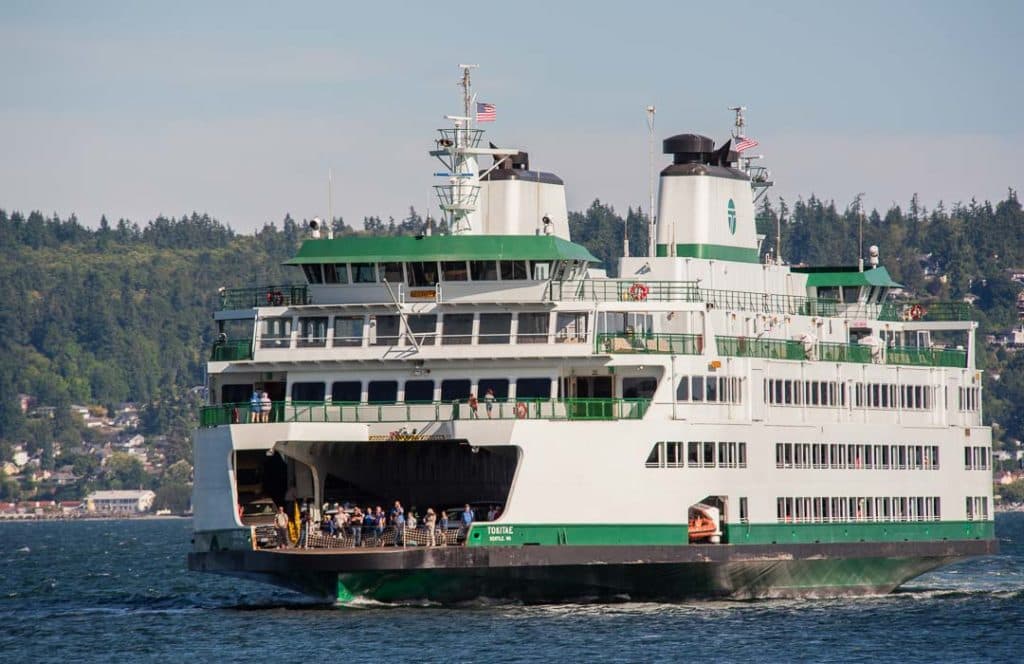
That transportation era did not disappear all at once. Regular steamboat service declined as automobile travel grew, and the opening of the Deception Pass Bridge in 1935 made road access easier across the region. Passenger ferry service at Coupeville was suspended in 1936, a concrete marker of how the island’s center of gravity shifted away from the dock and toward the highway. The town kept finding new reasons to use the wharf.
More than a postcard: a working waterfront
Today the wharf still hosts a boat dock, kayak rentals, gift shops, a coffee shop, and boater services. That mix keeps the site active rather than sealed off as a display piece. Visitors do not just photograph the building from shore; they use it as an access point to Penn Cove.
The wharf also offers educational displays about the marine and aquatic ecosystem around Penn Cove. The site supports tourism spending and gives residents and visitors a place to understand the waters that shaped the town’s economy.
The deeper history under the pilings
Central Whidbey has been inhabited for more than 10,000 years, and the Lower Skagit have long called Penn Cove home. Ebey’s Landing National Historical Reserve was established in 1978 to preserve the region’s historical legacy, including permanent Skagit villages, Captain George Vancouver’s exploration, the Ebey family settlement, and the military installations at Fort Casey and Fort Ebey.
The reserve landscape on the Salish Sea includes rich farmland and a promising seaport that drew early American pioneers north of the Columbia River to Ebey’s Landing. Coupeville Wharf sits inside that landscape, where water, farming, settlement, and military history converged.
Why preservation is a present-day issue
A rehabilitation that launched in 2018 was completed in 2025, and the community marked the wharf’s 120th anniversary in July 2025. In February 2026, a new storm-hardened open-water dock was installed after wind damage in December, underscoring how maintenance now has to account for more severe weather and more fragile waterfront conditions.
The Washington Trust for Historic Preservation has flagged the wharf as one of its Most Endangered Places and said saving it could require raising the structure in a project estimated at $5 million. The wharf supports visitors, keeps public access to the shoreline, and anchors downtown Coupeville’s identity as a working waterfront town rather than a museum piece.
This article was produced by Prism’s automated news system from verified source data, official records, and press releases, then run through automated quality and moderation checks before publishing. The system is built and supervised by the people who set the standards it runs under. Read our full AI policy.
Did this article answer your question?