Deception Pass State Park blends Indigenous stories, tide pools and CCC history
Past the bridge, Deception Pass becomes Rosario, Bowman Bay, tide pools and a Samish story pole, with CCC history layered into a family-friendly day.
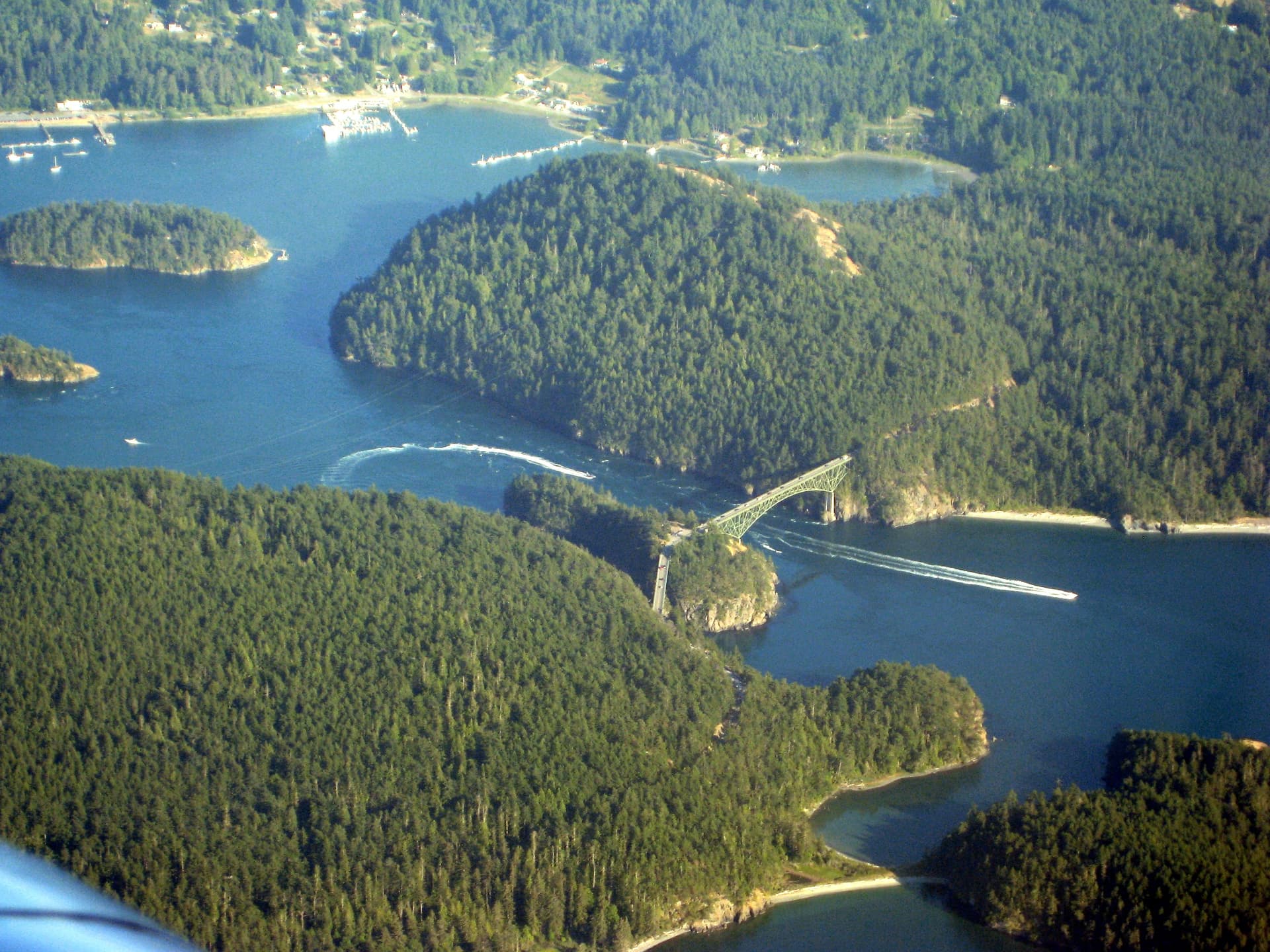
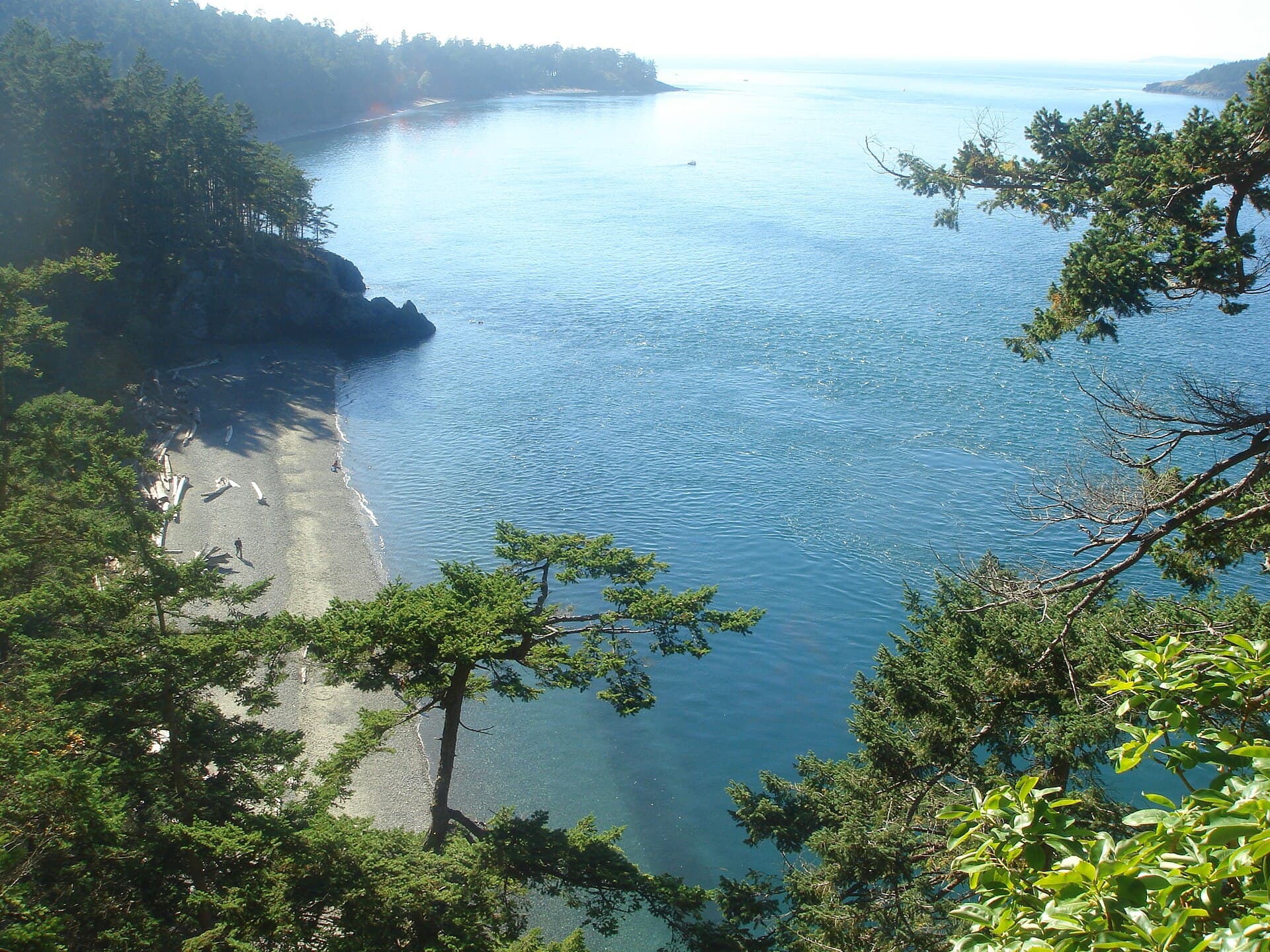
The Deception Pass Bridge is the photo stop, but the park’s real character begins after you cross from Whidbey Island to Fidalgo Island. Deception Pass State Park spreads across 4,134 acres, and its shoreline is measured in two ways that still add up to a lot of room to wander: Washington State Parks Foundation materials describe 77,000 feet of saltwater shoreline and 33,900 feet of freshwater shoreline on three lakes, while state tourism material puts the saltwater edge at 14.6 miles. It is also described as Washington’s most visited state park, which makes the named places beyond the bridge worth treating as destinations in their own right.
Rosario is the park’s real starting line
If you want to understand Deception Pass in a single outing, begin at Rosario rather than rushing straight to the overlook. Washington State Parks’ brochure centers the experience on Rosario, Rosario Head and Bowman Bay, then adds the Rosario Discovery Center, tide pools, the CCC Interpretive Center, a children’s play area, seasonal kayak rentals and a dock. That structure says a lot about the park itself: this is not just a scenic pullout, but a network of places that work well together for a walk, a picnic, a shoreline stop and a few hours outside.
Rosario Head gives you the kind of shoreline view that makes the rest of the park make sense. From there, the water, the headland and the beach access all fit into a day that can stay low-key and still feel complete. The scale matters too, because with three lakes and long runs of both saltwater and freshwater shoreline, the park can absorb crowds without losing the sense that you have found a place with several distinct edges.
The Samish story pole brings the landscape into focus
At Rosario Beach, the Maiden of Deception Pass gives the park its Indigenous interpretive anchor. The Samish identify the figure as the legend of Ko-Kwal-alwoot, a woman associated with a promise of plentiful seafood, and the Smithsonian Institution records it as a full-length female figure carved as a story pole from red cedar. Local references identify the carving as the work of Tracy Powell in 1983, which ties the pole to a specific maker and date as well as a specific place.
That makes the stop more than decorative. It is a reminder that Deception Pass is not only a recreation area built around scenery, but a landscape with living cultural meaning, where the shoreline is also a place of story, identity and relationship to marine life. Visitors who move through Rosario too quickly miss one of the strongest parts of the park’s public interpretation.
Bowman Bay works for families, walkers and paddlers
Bowman Bay is where the park shifts from interpretive stop to easy half-day outing. The brochure’s mix of a children’s play area, dock, seasonal kayak rentals and tide pools gives the area a family-friendly rhythm that does not require a difficult hike or a full day on the water. The tide pools are especially important here, and Washington State Parks explicitly asks visitors to respect all marine life, a small instruction that matters in a place where the shoreline is part classroom and part habitat.
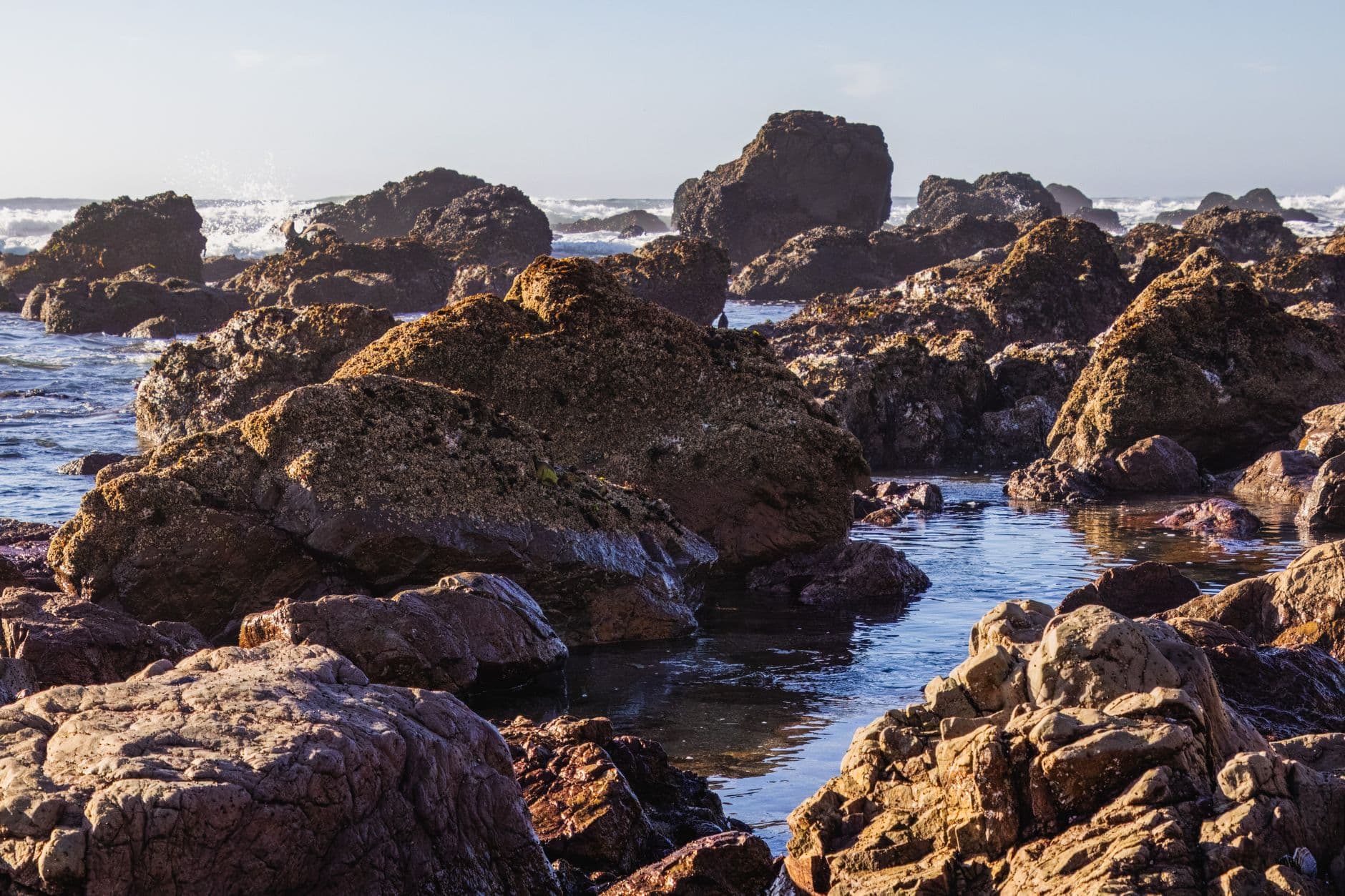
For paddlers, Bowman Bay carries a different kind of reputation. A Bowman Bay reference says Deception Pass is internationally renowned among sea kayakers as a place to learn to paddle in tidal flow, and that currents often reach 6 knots and occasionally higher, with currents listed on NOAA’s website. That combination explains both the attraction and the caution: the water is one of the park’s great learning environments, but it is not casual water.
A campground listing adds a practical note that matters before anyone loads gear. The Bowman Bay pier and trailered boat launch are closed indefinitely because of unsafe conditions, while kayaks and paddleboards still have access. That leaves the bay useful for smaller craft and shoreline time, but it also changes how a visit should be planned.
The CCC story is built into the park itself
Deception Pass’s history is not only natural and Indigenous. Deception Pass Park Foundation materials say hundreds of young men served at CCC camps here from 1933 through the early 1940s, and that their labor was essential to creating what is now Deception Pass State Park. The CCC Interpretive Center keeps that chapter visible, turning what could be a generic New Deal reference into a place-based story about labor, public land and recreation.
The foundation’s role is part of that same framework. Its brochure describes the Deception Pass Park Foundation as a 501(c)(3) nonprofit dedicated to supporting education, interpretation and resource protection at the park. That mission is exactly what makes the park’s layered history legible to visitors: the Samish story pole, the CCC sites and the shoreline all sit inside the same public landscape, and each one helps explain why the park feels so much larger than the bridge photo.
A single outing can hold the whole park
A useful way to spend a day here is to move in a simple arc. Start at Rosario Head, spend time with the Maiden of Deception Pass, then continue to Bowman Bay for tide pools, a dockside pause and, if conditions and access allow, a paddle. If the Rosario Discovery Center or CCC Interpretive Center are open seasonally, build them into the same loop rather than treating them as separate trips.
That one circuit captures what makes Deception Pass durable as a local destination in Island County. The bridge may still be the image people know first, but the park’s staying power comes from the places inside it, where Samish history, CCC labor, shoreline ecology and easy recreation all meet in one of Washington’s most visited parks.
This article was produced by Prism’s automated news system from verified source data, official records, and press releases, then run through automated quality and moderation checks before publishing. The system is built and supervised by the people who set the standards it runs under. Read our full AI policy.
Did this article answer your question?